While 85 percent of DHS employees would still report to work, the bulk of DHS management and administrative staff activities would cease, including a lot of the infrastructure built after the Sept. 11, 2001 terrorist attacks to gather information and coordinate response activities, according to DHS.
DHS employees who work during the shutdown would not receive paychecks until the shutdown ended, much like the full government shutdown that occurred Oct. 1 to Oct. 16, 2013.
Congress has already funded the rest of the government in December, but the DHS funding was cut short to provide an opportunity for further debate on President Obama's executive actions, including a program that defers deportation for immigrant children and others.
See Related: DHS closer to shutdown after Senate blocks funding bill
The House passed a bill Jan. 14 that boosts overall funding by $400 million over 2014 levels. But the legislation also defunded many aspects of President Obama's recent actions on immigration. The Senate failed to pass the bill over Democratic opposition.
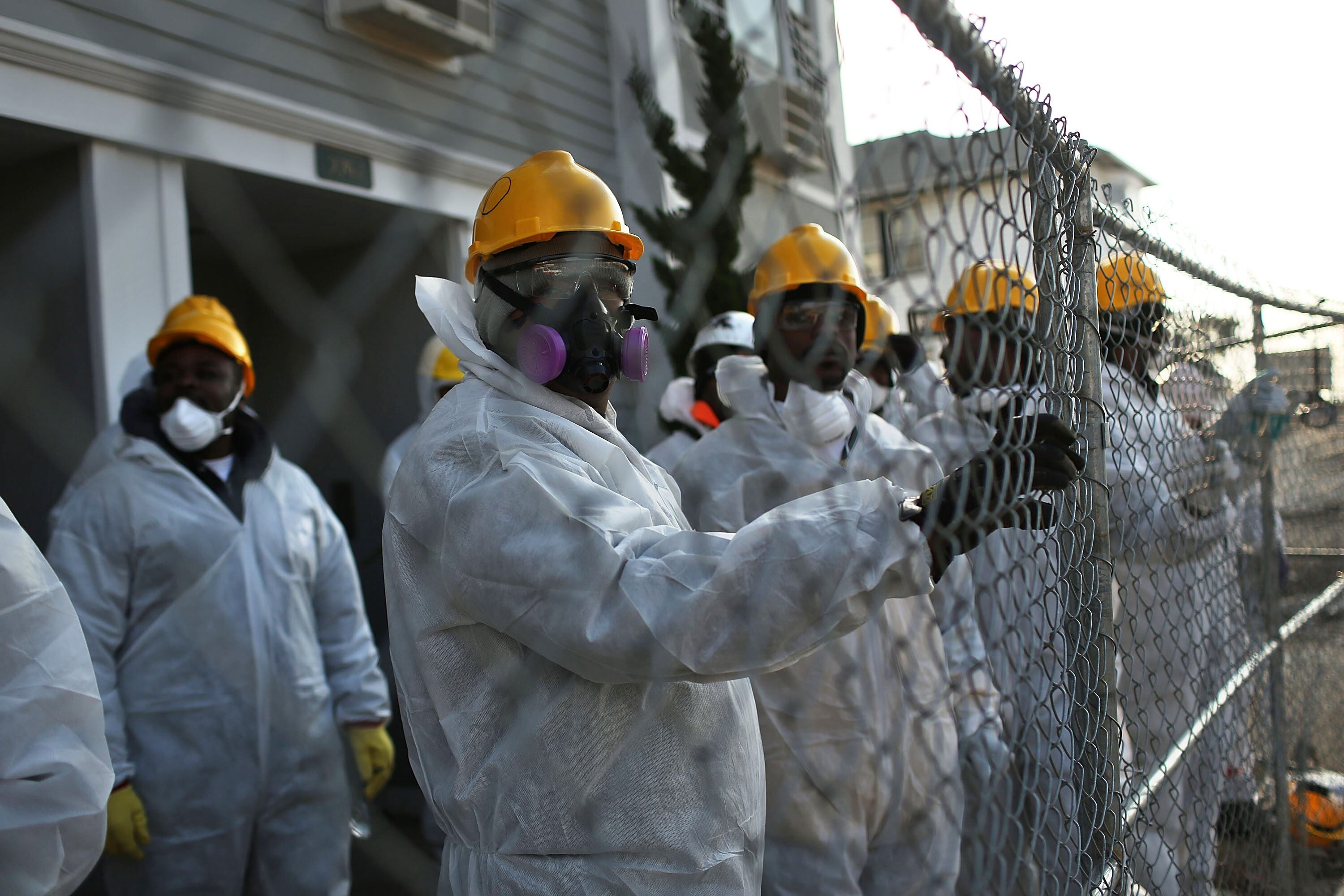
A DHS shutdown would hit the Federal Emergency Management Agency particularly hard, where about 86 percent of its workforce would be furloughed – about 4,000 employees, according to administrator Craig Fugate.
During the shutdown FEMA had to recall 240 agency employees to prepare for lifesaving operations as Tropical Storm Karen formed in the Gulf of Mexico and threatened the coastline, Fugate said in a Feb. 6 blog post.
"Even then, we couldn't support them administratively or prepare for any potential recovery efforts – a major detriment to our mission to support survivors," he said.
Fugate called on Congress to pass a full-year funding bill, saying that the continued uncertainty harms operations across the agency and compromises FEMA's mission to keep communities safe and secure during emergencies.
"Lurching along with temporary funding, or no funding, prevents us from doing our part to keep the American people safe. The best way to operate the federal government is through the normal process, in which Congress appropriates the funds, the President signs a bill, and we have a real budget to operate under for the fiscal year," Fugate said.