Charles Harvey Eccleston, 62, moved to the Philippines in 2011 — a year after being fired from the NRC — where he allegedly entered a foreign embassy offering to hand over classified intelligence taken from the U.S. government.
More: 'Spear-phishing' tactics becoming more sophisticated
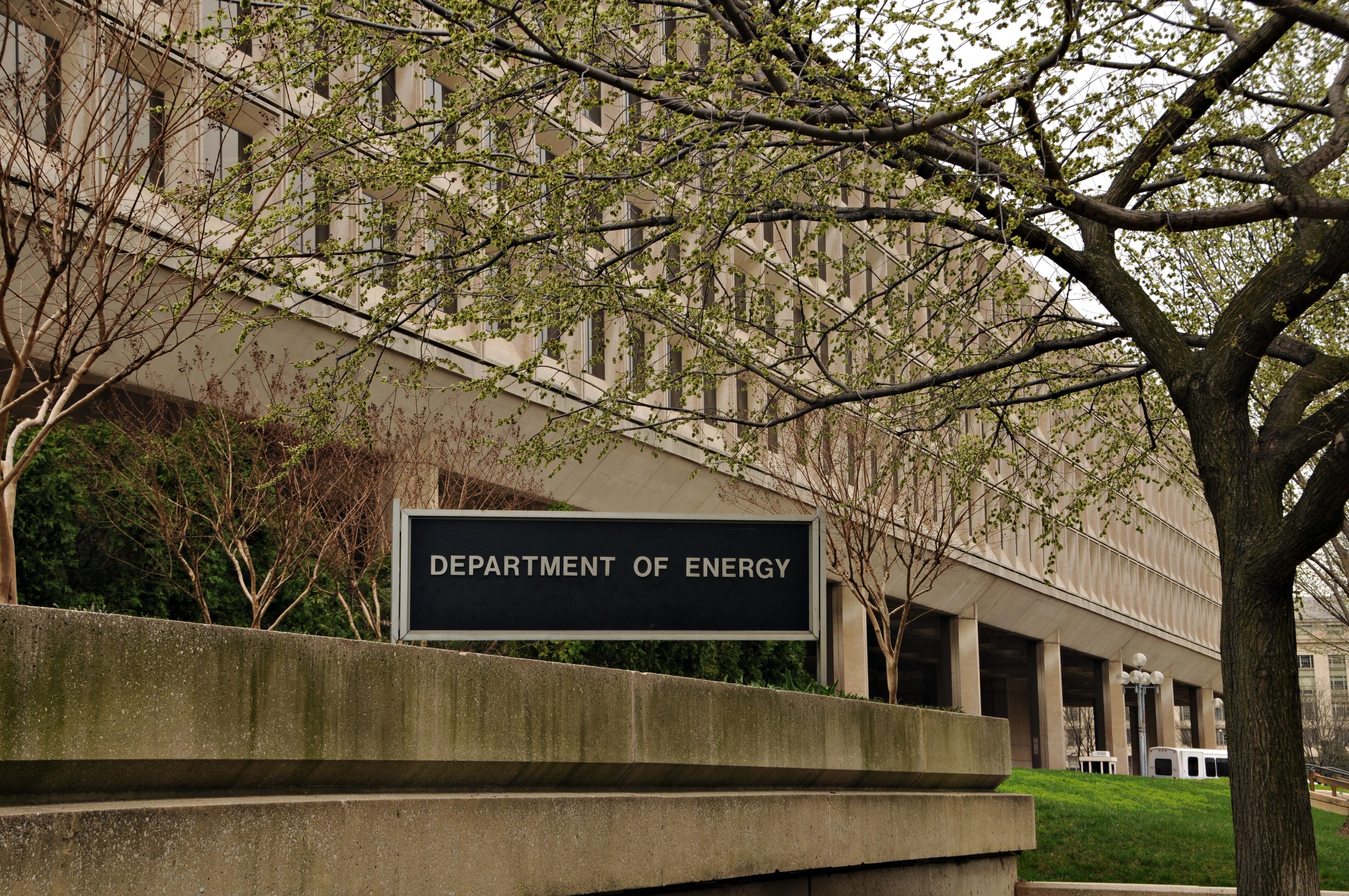
In a sting orchestrated by undercover FBI agents, Eccleston offered to send targeted spear-phishing emails to his former colleagues at Energy that, when opened, would embed spyware and destructive malware on government computers.
Eccleston allegedly sent such emails to more than 80 employees in January 2015, however, due to the FBI's involvement, none of the targeted computers were actually infected by the malware.
"This former federal employee is charged with trying to launch a cyber-attack to steal sensitive information from the Department of Energy," Acting U.S. Attorney Vincent Cohen said after the indictment was unsealed. "Thanks to an innovative operation by the FBI, no malicious code was actually transmitted to government computers.
More: IG: Energy Department cyberattack hit 104,000
He was apprehended by Manila authorities in March and extradited to the U.S. to face felony charges, including three counts of attempted unauthorized access of computers and one count of wire fraud. He faces a combined maximum of 50 years in prison.
"As alleged in the indictment, Eccleston sought to compromise, exploit and damage U.S. government computer systems that contained sensitive nuclear weapon-related information with the intent to allow foreign nations to gain access to that material," said John Carlin, assistant attorney general for national security. "We must continue to evolve our efforts and capabilities to confront cyber enabled threats and aggressively detect, disrupt and deter them."
More: Malware getting more advanced, easier to use in 2015
Aaron Boyd is an awarding-winning journalist currently serving as editor of Federal Times — a Washington, D.C. institution covering federal workforce and contracting for more than 50 years — and Fifth Domain — a news and information hub focused on cybersecurity and cyberwar from a civilian, military and international perspective.