Law enforcement, particularly at the federal level, should be carefully watching the fallout from Yahoo's recent bad press. The public reaction to the news that executives installed a wide-reaching application capable of scanning all emails traveling across Yahoo's servers at the behest of the National Security Agency will be a barometer for how to treat companies that aren't as pliant.
Since the case between Apple and the FBI was withdrawn before a final ruling, the first major battle in the "going dark" (or "back door" or encryption) debate was waged in the press and on social media and comment boards. That public battle began when Apple CEO Tim Cook published an open letter in February announcing the company's defiance of a court order to build a back door into an iPhone used by the suspect in a mass shooting incident.
It’s hardly cynical to view Apple’s decision as a public relations gambit. The company was taking a principled stand on behalf of its customers and was willing to bet the public would appreciate that more than the government having access to their devices.
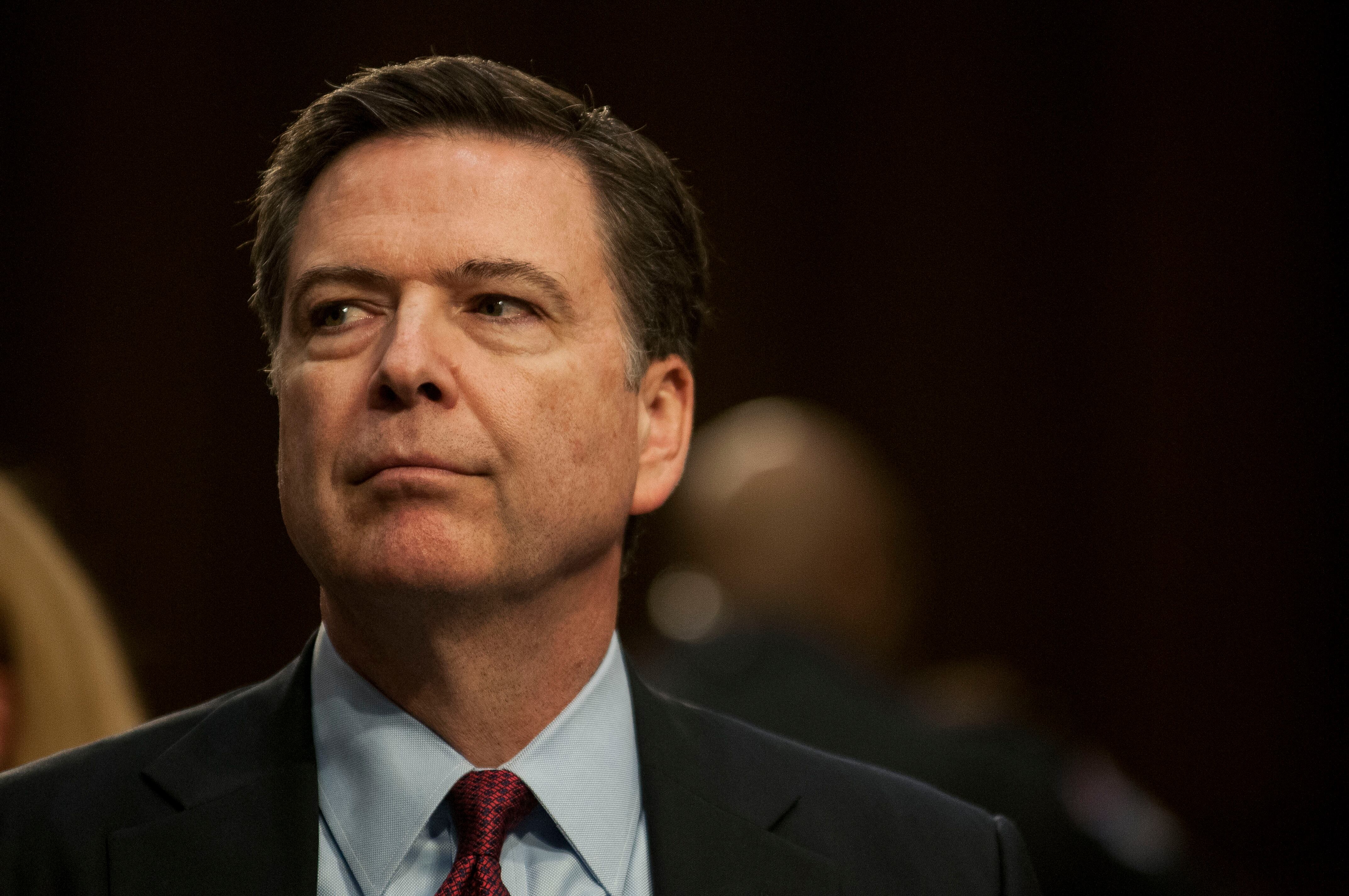
And the FBI was equally aggressive on the publication relations front. Bureau representatives were active on the conference circuit and Director James Comey testified before Congress several times on law enforcement’s need to access encrypted devices.
Surveys conducted throughout 2016 routinely showed Americans favored strong encryption and balked at the idea of the government being able to access their information. And while Apple’s sales have dipped over the last two quarters, experts say that’s largely due to a saturated marketplace; none mentions the encryption fight as a factor.
The disclosure that Yahoo has done the opposite — complied with a federal request that put its users’ accounts at risk — will be the first time we get to see this play out from the other side.
If there is a swell of moral outrage and a direct hit to Yahoo’s bottom line — either through a dramatic drop in email users or a significant dip in market value — more companies will be encouraged to follow Apple’s lead rather than risk a loss in revenue.
If there’s none, law enforcement and intelligence agencies can feel far more secure about being aggressive in their push for access, knowing consumer pressures won’t work against them, even if those same consumers aren’t for them.
Aaron Boyd is an awarding-winning journalist currently serving as editor of Federal Times — a Washington, D.C. institution covering federal workforce and contracting for more than 50 years — and Fifth Domain — a news and information hub focused on cybersecurity and cyberwar from a civilian, military and international perspective.