A new report from the Department of Veterans Affairs' Commission on Care has called for a massive overhaul of the Veterans Health Administration, to include the expansion of private care options, but stopped short of recommending the complete privatization of the entire health network.
The report, which is expected to be published on July 6, lays out 18 recommendations to improve the operations of the VHA, which has come under fire since a patient-wait-time scandal erupted in 2014.
The commission itself was formed to examine the effectiveness of the Veterans Choice program, a network of private medical facilities to provide care to veterans and alleviate VA wait times.
Related: Read the report
As the result of the Veterans Choice program, the Commission on Care looked at how to reform the VHA's approach to health care for the next 20 years, including the possibility of privatizing the network altogether.
But the final report stopped short of completely privatizing the VHA, but did call for more private options to establish "high-performing, integrated, community-based health care networks."
"VHA faces a misalignment of capacity and demand that threatens to become worse over time," the report said. "Some facilities and services have low volumes of care that can create quality concerns, and in high demand areas, VHA often lacks the capacity to avoid lengthy wait times and other access issues."
The report notes that while the Veterans Choice program provides additional care options to veterans who live more than 40 miles away from a VHA facility or need to be seen in under 30 days, its application can be encumbered by an overlapping, tangled web of conflicted policies.
"Adding to the confusion is the fact that VHA, facing a 90-day deadline for implementing the program, outsourced the creation and management of its provider networks to two private contractors, thus blurring lines of responsibility and leaving both patients and providers confused about who exactly holds responsibility for what," the report added.
"In execution, the program has aggravated wait times and frustrated veterans, private-sector health care providers participating in networks, and VHA alike."
As a result, the commission recommended scrapping the geography requirements altogether and establishing community networks to provide better comprehensive care.
But the report notes that an expansive Veterans Choice program would consume a raft of budget resources, so it recommends developing "an integrated network of VHA, DoD and other federally funded providers, and community providers" to handle primary care, with specialty care provided by referral.
The report goes on to offer recommendations on reforming the supply chain, IT infrastructure and numerous other issues impacting the VHA network. It also noted that veteran feedback, provided through the Commission's website, that while veterans did want more accessible private care options, they did not want it completely outsourced.
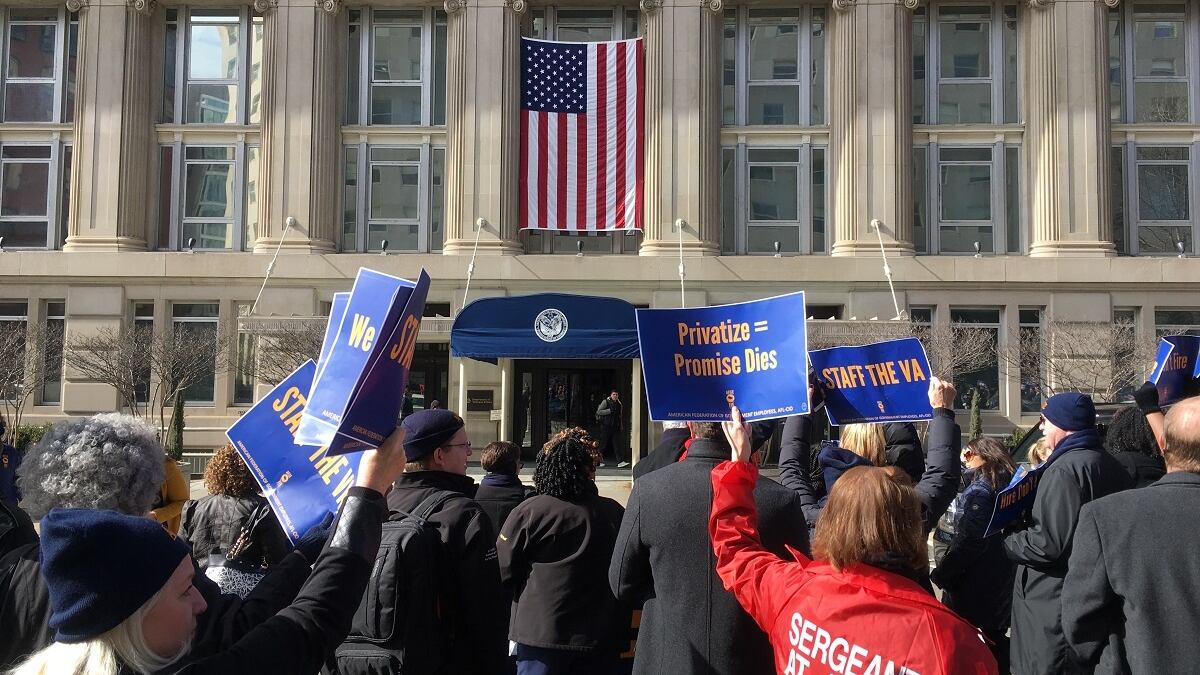
The report is likely to draw discussion from VA reform advocates and employee associations alike, who have been clamoring for massive correction in agency policy since the scandal broke.
House Committee on Veterans' Affairs chairman Jeff Miller, R-Fla., said in a statement that the report shined a light on the challenges that the VA currently faces and will require more examination.
"While the Commission on Care's nearly 300-page report will take time to completely review and digest, the document makes it abundantly clear that the problems plaguing the Department of Veterans Affairs medical care are severe," he said. "Fixing them will require dramatic changes in how VA does business, to include expanding partnerships with community providers in order to give veterans more health care choices."
Secretary of Veterans Affairs Bob McDonald said in a statement that he would also review the report, but appreciated the thoughtful approach taken by the Commission.
"While we will examine the report closely over the coming weeks and respond in a more detailed fashion, I am pleased to see that many of their recommendations are in line with our MyVA efforts to transform the VA into a Veteran-centric organization," he said.