

Hands full at home, Iran is seen slowing cyber attacks on UK
The CEO of Leonardo UK said online bot activity promoting the independence of Scotland from the UK reduced as Iranian authorities were crushing protests.

IT & Networks
Space warfare in 2026: A pivotal year for US readiness
As the Space Force enters 2026 amid escalating threats from China and Russia, it faces a pivotal year as it transitions to full-spectrum warfighting.

Autonomous surface vessels to join Pentagon’s global C2 network
The small vessels can maneuver through harsh environments and perform various tasks independently with minimal human oversight, such as surveillance.

VA to speed up health records system rollout, with new sites this year
A previous plan to deploy the controversial health records system to more VA hospitals in mid-2026 was short-sighted and slow, the new VA secretary said.

Election officials seek changes to federal rule on cyberattack reports
The proposed rule says state and local election offices must report suspected breaches within 72 hours.

Opinion
How to establish an effective data management governance program
A compliance program should be able to clearly articulate the criteria for evaluating success, highlighting the technology or processes required.

Opinion
Navigating fed cybersecurity: Strategies to achieve network compliance
The complexities of federal cybersecurity guidance necessitate a multifaceted approach to achieving compliance.

Quieting Discord: A new frontier in military leaks and extremism
From secret Pentagon leaks to radicalization in the military community, Discord is continuing to grapple with keeping bad actors off the popular platform.

Russian hackers infiltrate Veterans Affairs via Microsoft account
The state-sponsored hacker infiltrated a platform called Microsoft Azure Government, which provides storage, databases and other services to the VA.

Air Force, Space Force join Army for Bring-Your-Own-Device enrollment
Fifty thousand Army enrollees are using the service since that effort began as a pilot program in 2022.

Top 5 potential uses, pitfalls for generative AI in federal government
We believe Multi-Agent Systems are the only viable approach to bringing generative AI into the U.S. government in a managed manner.

Pentagon zero-trust office aims to start data tagging, labeling in ′24
The Defense Department is seeking to demo a solution, even an imperfect one, to a longstanding problem.
Opinion
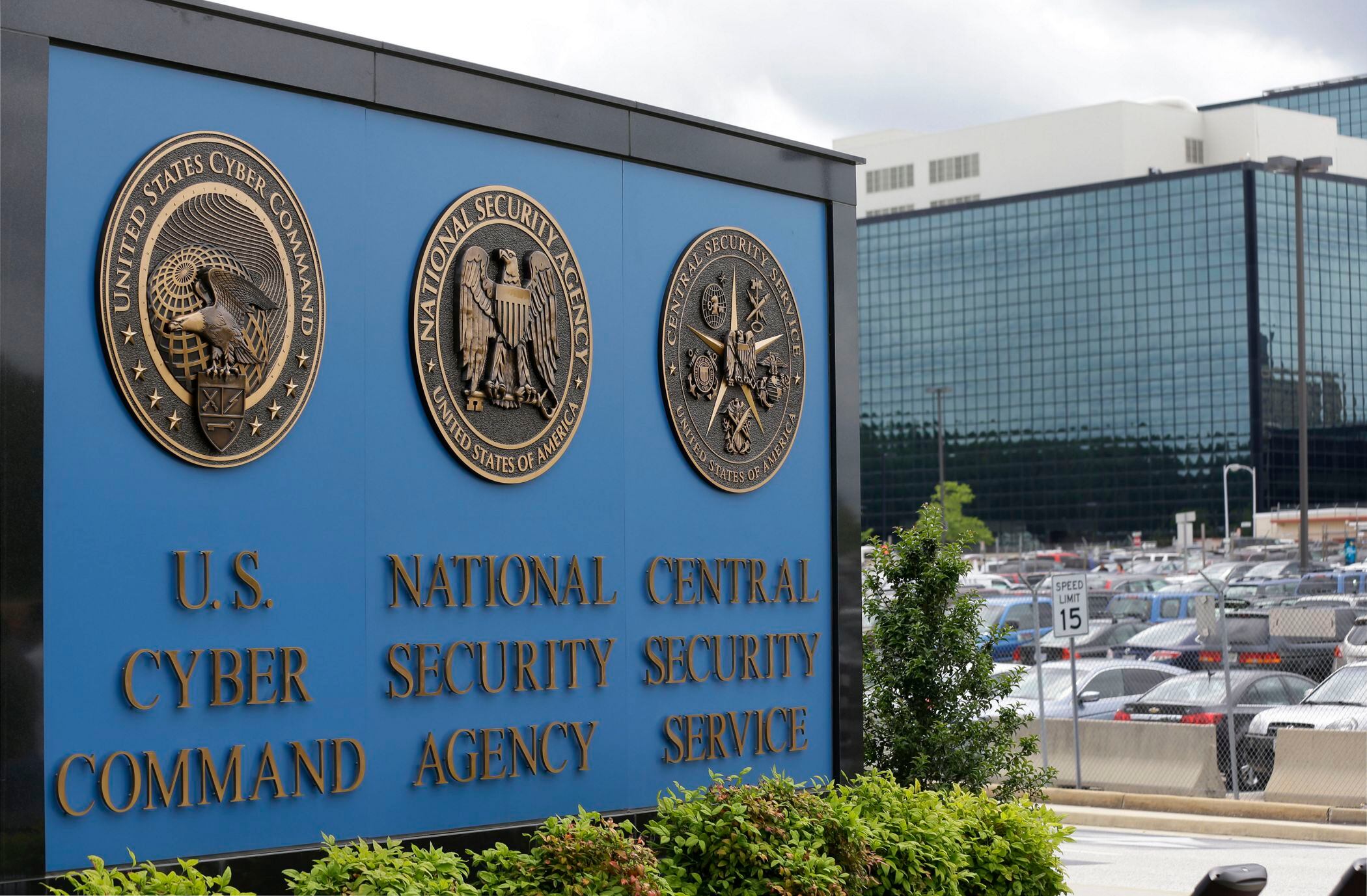
Embrace AI to maintain global talent pool for US innovation, security
The U.S. stands at a crossroads, where the nurturing of global talent is not merely an option but a strategic imperative.

Opinion
Top tech considerations for federal agencies in the modern workplace
Workers are the first line of defense for keeping data secure, so the equipment they use to perform their duties must meet the rigid security requirements.
Opinion
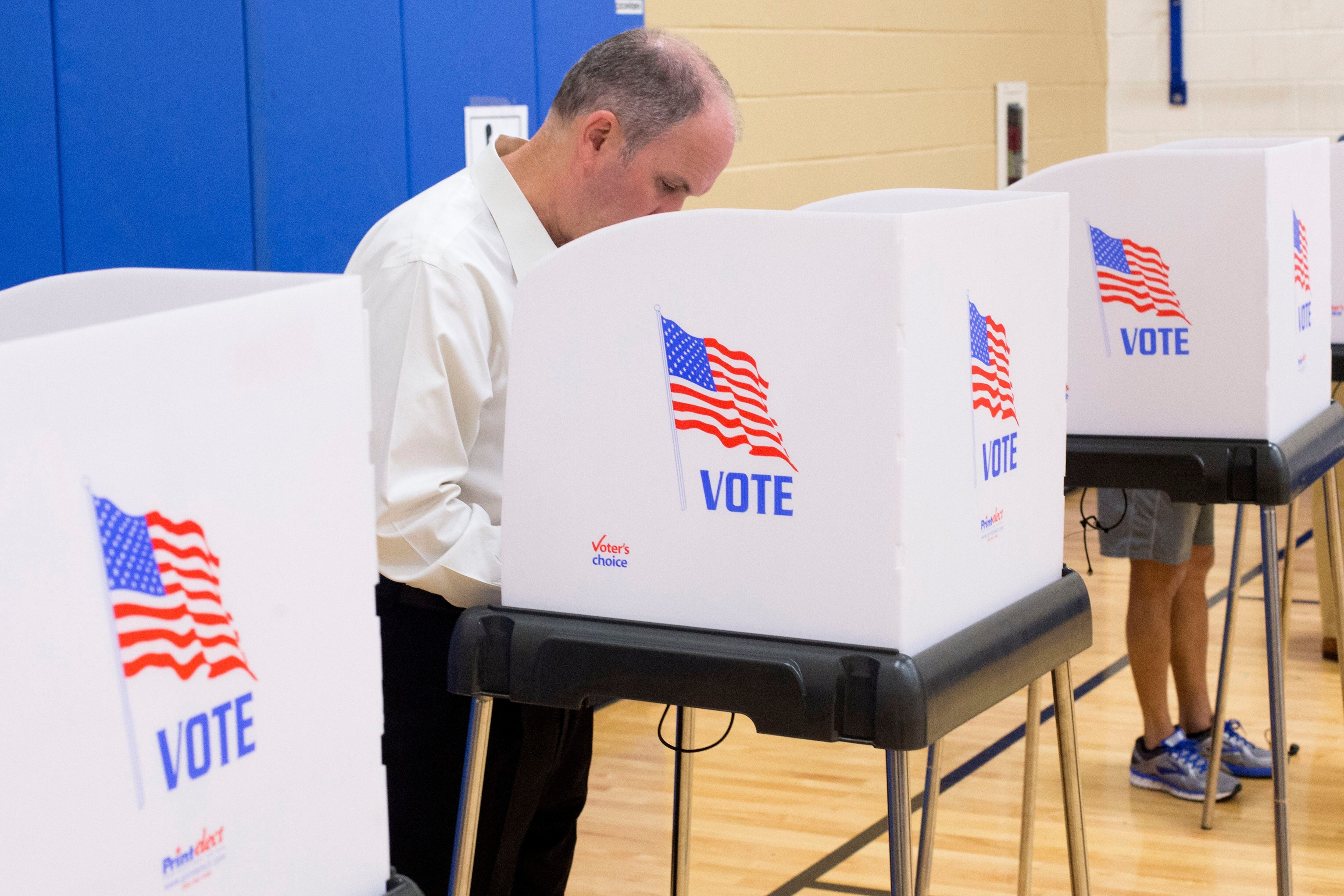
Improving mobile device security is imperative ahead of Election Day
Government employees and election officials must be prepared to combat these threats to safeguard sensitive information and prevent disinformation.

Opinion
Beyond TikTok: Navigating the cybersecurity landscape of tomorrow
The future includes protecting our digital and societal fabric against threats.

Zero trust at DoD hinges on thawing stubbornness in the workforce
Resnick said he has seen the spirit of innovation in leadership, but it’s the mid-tier of the workforce that sometimes pushes back.
