Marc Marlin is a director at the technology solutions and aerospace/defense investment bank KippsDeSanto & Co.
Having returned from the holidays, the GovCon industry is back in full swing. It's uncanny how a "Hope you had a great holiday" outreach to prospects and other industry partners have been consistently met with responses of "You too. How we looking for '15 and where are transaction multiples?" Nothing like getting right to the point. As such, I feel compelled to share a brief outlook for 2015 mergers and acquisitions.
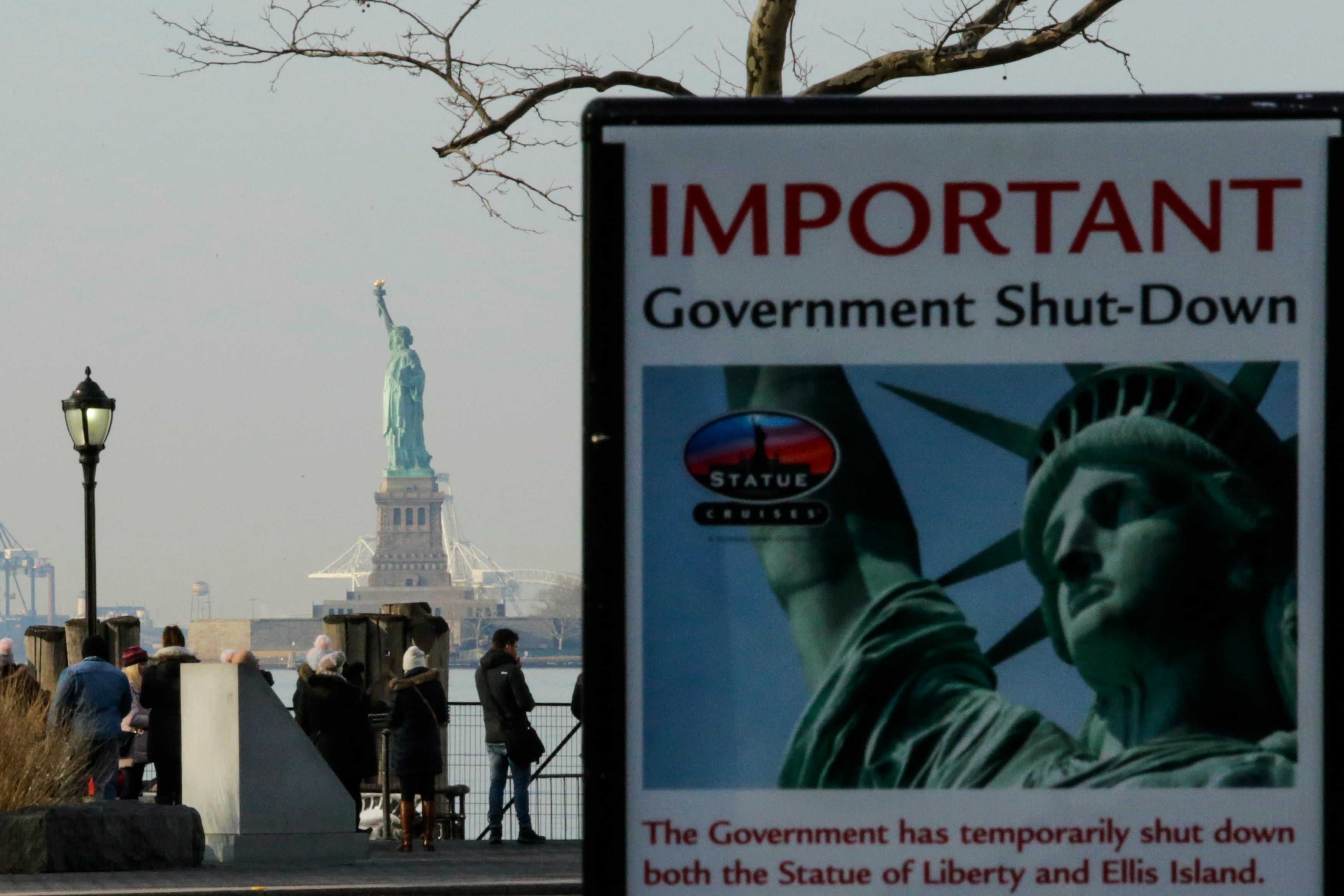
As of now (always an important caveat), 2015 is shaping up as a sequel to 2014 – similar trends, deal volumes, heroes and villains. Like many movie sequels, the plot line isn't that different from the original, albeit with a few twists and turns along the way. The industry enters 2015 with a recognizable level of optimism. This sense of optimism was a phenomenon we first saw in the first quarter of 2014, when folks returned from the holidays following a challenging second half of 2013 (government shutdown, sequestration etc.) really looking to reposition or improve competitive positioning and drive growth. These two critical themes will similarly drive M&A in 2015.
We anticipate the continued bifurcation of M&A markets between the larger, pure play, hot lane oriented businesses and the rest of the market. Firms greater than $50 million in revenue with a focus on and scale in cyber, C4ISR, SOF, health, cloud, and big data analytics will continue to attract the most aggressive buyer interest. Those that possess an identity comprised of such size, technical capabilities and market orientation with primarily prime, full & open contract characteristics will continue to earn premium, double-digit transaction multiples. It's important to be clear, the aforementioned premium profile is not an "OR" when thinking through corporate identity (customer, capability, size) and contract profile, it's an "AND" that encourages the head-scratching, "how could they pay that" purchase price. These deals will remain the heroes of the 2015 M&A sequel, motivating emerging businesses and the very talented entrepreneurs that lead them to drive this industry forward.
For every Superman, there is a Lex Luthor. Our industry and M&A sequel unfortunately has its villains too. We anticipate a continued heightened protest environment, procurement delays, budgetary constraints, pricing pressures and preference programs contracts that don't facilitate transition to F&O. While these dynamics will hopefully subside over time, it's unlikely to be overnight. The villains challenge M&A.
There has been considerable cost takeout amongst the larger businesses (especially the public companies) over the past few years. It's now about differentiation from a solution set. As we often tell prospects, "revenue synergies, not cost synergies drive M&A value. Cost synergies are a one-time event". Re-orientation through white labeling of solutions and leveraging IP and scale to help the customers do more with less, yet maintain acceptable contractor margins, is here to stay. These villains will continue to impact recompete win rates by incumbents and profit potential on next generation of contracts. It will challenge firms' abilities to accurately forecast their financial prospects, which further clouds sellers ability to put their best foot forward and buyers' ability to assess an M&A opportunity. As such, the supply of sellers will continue to outstrip buyer M&A demand. While clearly a self-serving comment from a sell side M&A advisor, the market positioning and financial rigor by sellers will remain a critical ingredient in the successful sale of businesses in 2015. The supply of non-superhero sellers will likely continue to outweigh a more finite number of acquirers, and 2015 deal volumes will remain consistent with 2014 (about 70 announced transactions). Notably, the number of deal announcements in 2H14 was almost equal to that in 2H13, despite all of the aforementioned market turbulence in late 3Q14 and early 4Q13.
We also anticipate more alternative transactions (leveraged / dividend recaps, ESOPS, mergers of equals) to the traditional M&A transaction – where larger Company A buys smaller Company B. The credit markets remain very favorable and these transactions can be viable alternatives for owners to realize partial liquidity. For many other companies, whether due to set-aside concentration or other elements of identity, the hold scenario is simply too advantageous relative to the sale alternative given valuations.
Last is the impact of large contract vehicle awards as a potential spark to ignite greater than anticipated M&A activity. Depending on award timing and kickoff (to include protest resolution) of INSCOM GI, VA T4NG, DIA ESITE, and looking forward ESD II at CMS, amongst others, and who is on the outside looking in when those awards are made, may motivate a chain of M&A deals similar to those in the early years of their predecessor contracts. This dynamic will play out over time.
Overall, 2015 is shaping up to be another exciting, active, and energizing year for GovCon M&A. Market dynamics will further enhance the scarcity value of Superheroes, presenting a robust opportunity to achieve significant M&A interest and premium valuations. The success of the sequel should provide the momentum for the trilogy going into 2016.