The House Permanent Select Committee on Intelligence has established parameters for its investigation into Russian meddling during the 2016 U.S. election.
While the full six-page document on the investigation remains classified, Chairman Devin Nunes, R-Calif., and Ranking Member Adam Schiff, D-Calif, have approved a plan with four main points of inquiry, according to a press release from the committee.
The first two points of inquiry are focused directly on Russia's actions, while the second two focus on the U.S. response and possible leaks.
The committee seeks to identify Russian "cyber activity and other active measures" aimed at the U.S. and its allies, in addition to identifying any "links between Russia and individuals associated with political campaigns or any other U.S. persons."
On the domestic side, the committee wants information on the U.S. response to Russia's active measures, while also laying out what needs to be done to prevent against election meddling moving forward. Additionally, any leaks of classified information relating to the Intelligence Community Assessment will be investigated.
While the committee does not intend to impede any ongoing investigation, they "will seek access to and custody of all relevant information." The committee will fully investigate all allegations of collusion between Russia and any U.S. person, as well as any potential leaks of classified information.
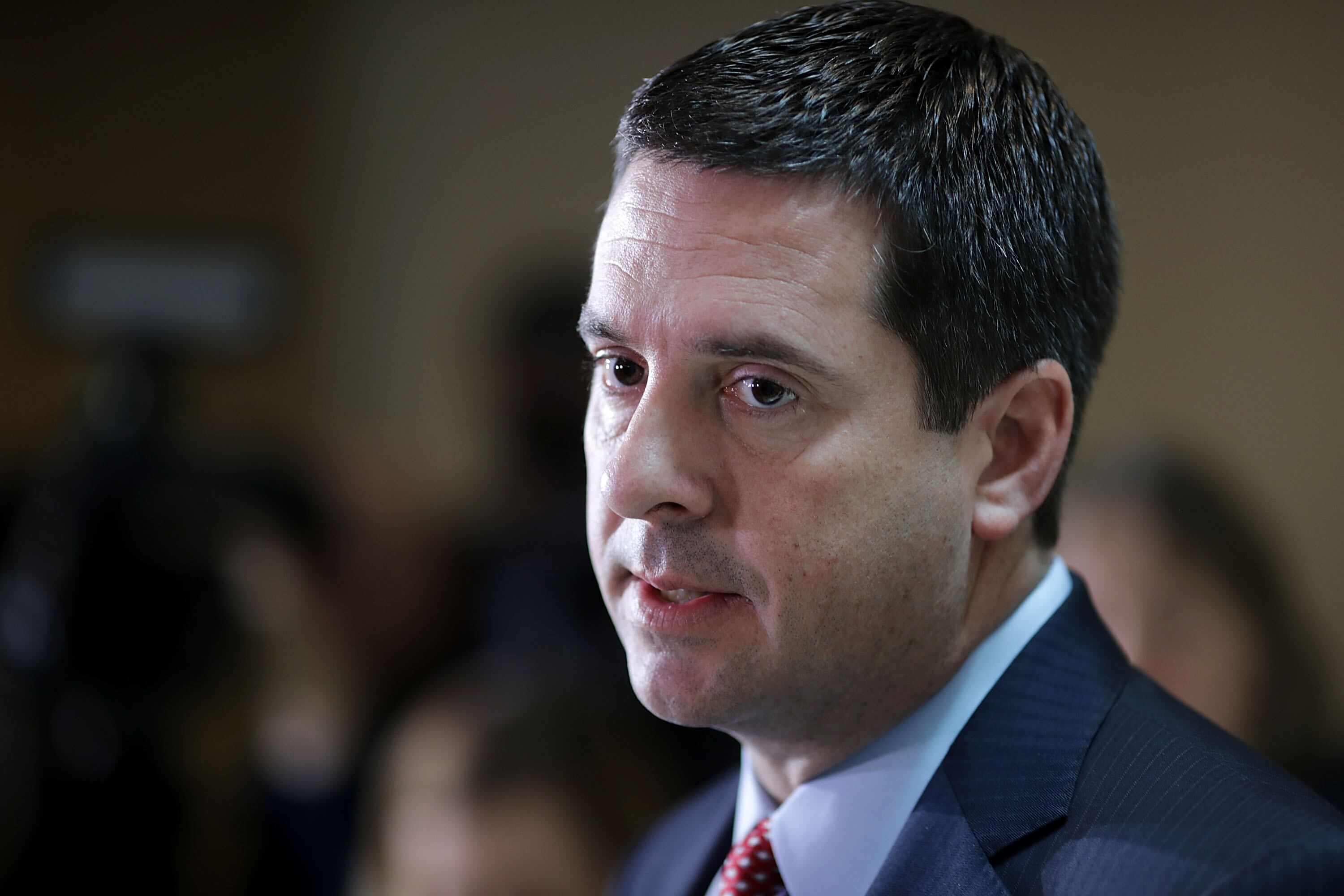
"The committee is determined to continue and expand its inquiries into [Russia], including Russian activities related to the 2016 U.S. elections," said Chairman Nunes. "On a bipartisan basis, we will fully investigate all the evidence we collect and follow that evidence wherever it leads."
This comes just days after Nunes told reporters that he had seen no evidence of contact between Russia and members of Donald Trump's campaign. Nunes emphasized his concern with the leaking of classified information, rather than Russian meddling, according to the Washington Post.
The four points of inquiry in the committee's probe represent a bipartisan compromise, after Ranking Member Schiff openly criticized Nunes for his determination that intelligence would not show connections between Russia and Trump's campaign.
"We must follow the facts wherever they may lead, leaving no stone unturned, and that must also include both the Russian hacking and dumping of documents as well as any potential collusion between Russia and U.S. citizens," said Schiff.
This news comes the same day that Attorney General Jeff Sessions has come under fire for not disclosing meetings with the Russian Ambassador last year.
The then-senator has been asked by several Republican lawmakers to recuse himself from any investigations into Russian meddling, while Democrats are asking him to step down as attorney general.
Aaron Boyd is an awarding-winning journalist currently serving as editor of Federal Times — a Washington, D.C. institution covering federal workforce and contracting for more than 50 years — and Fifth Domain — a news and information hub focused on cybersecurity and cyberwar from a civilian, military and international perspective.