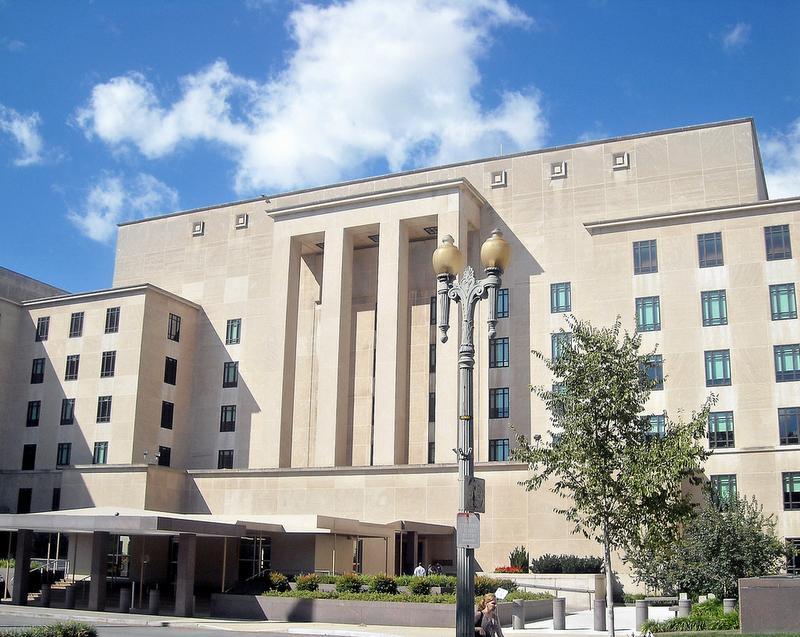
The State Department has spent almost $4 million on alcohol, chocolate, candy and novelties since fiscal 2010, according to a Federal Times review of agency spending data.
The State Department has contracted for more than $3.9 million what agencies call “gratuities” — mostly items given out as gifts around holidays or during special events — which far outpaces that of other agencies. The Defense Department obligated just $62,000 during the same period while the Health and Human Services Department obligated about $22,000. No other agency spent as much.
The State Department also used the money to purchase personalized Moleskine notebooks, specially labeled wine for events and also laser-etched candy jars. While some of the contracts are simply for alcoholic beverages, some mention specific brands such as Jack Daniels. In a few instances, groups were given custom-made coasters, copies of books or gift baskets as well.
RELATED
GSA scandal: Heavy fallout expected
Emerging GSA scandal brings down top officials
The gratuities were given mostly to foreign organizations and contractors, according to the spending data. While most of the contracts went to foreign contractors some went to candy companies such as Sees Candy Shops, Inc.
The gratuities are part of the State Department’s mission to represent American interests, according to an agency official, and the alcohol and chocolates are used at events at the 275 embassies and consulates overseas.
“The United States wishes to make the best impression in its dealings with foreign governments and other groups and carries out lawfully its representational activities, including its diplomatic receptions, in as effective and as culturally appropriate a manner as possible,” the official said.
The official said the State Department is mindful of its duties to spend taxpayer money wisely and also pointed to a regulation that makes sure the wine used by the State Department comes as much as possible from American wineries.
Sen. Tom Coburn, R-Okla., ranking member of the Senate Homeland Security and Governmental Affairs Committee, said that money could be better spent elsewhere and do more to advance American interests.
“While some expenditures for diplomatic events is justifiable, purchasing medical necessities like anti-AIDS drugs and other pharmaceuticals for those in need living in poorer nations goes much further advancing American good will around the world than passing out candy and booze to foreign contractors, diplomats and bureaucrats,” Coburn said.