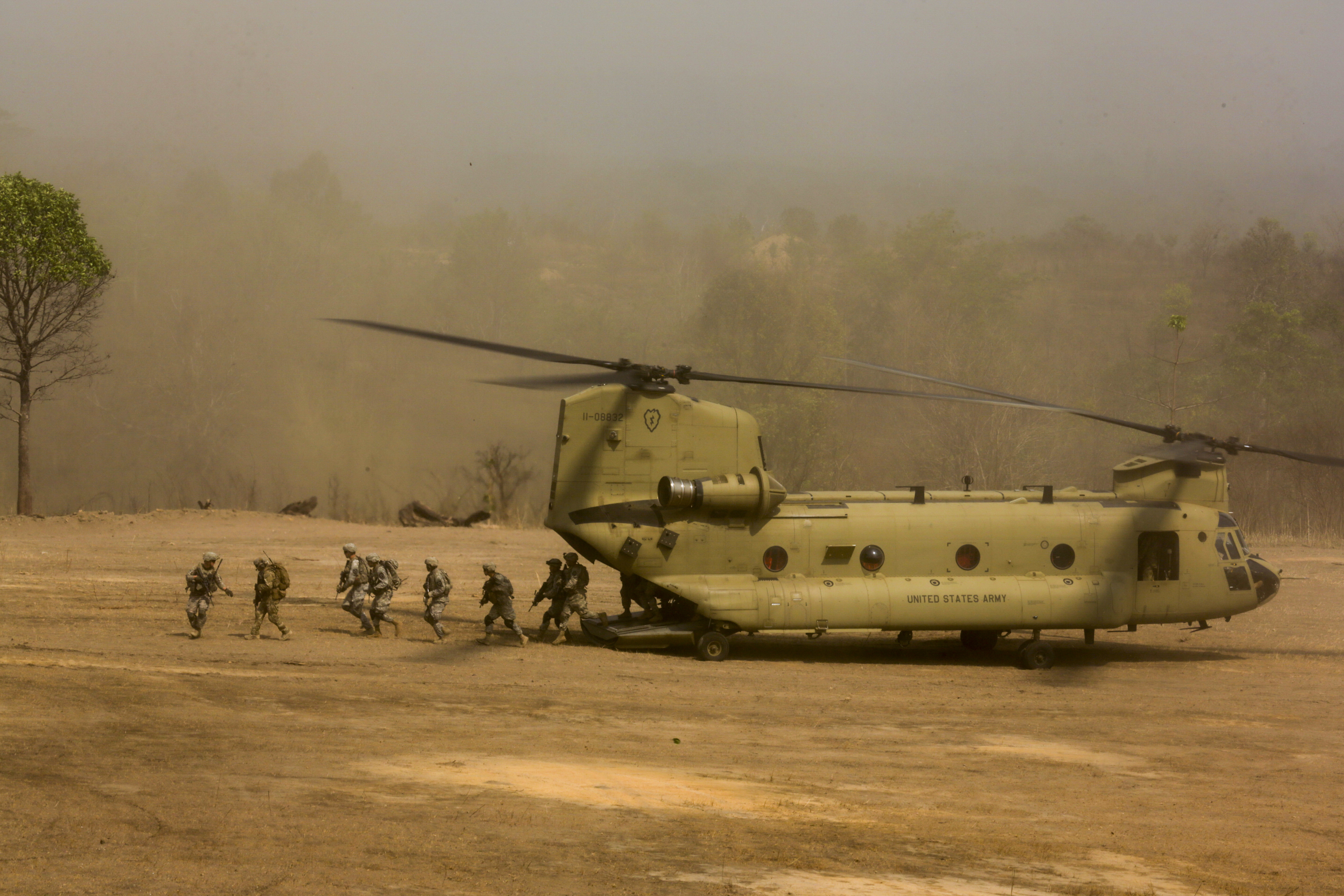
A U.S. Army CH-47 Chinook is used to transport Soldiers during a combined arms live fire exercise at Ban Chan Khrem, Thailand, during exercise Cobra Gold, Feb. 19, 2016. Cobra Gold is a multinational training exercise developed to strengthen security and interoperability between the Kingdom of Thailand, the U.S. and other participating nations. (U.S. Marine Corps Combat Camera photo by Lance Cpl. Eryn L. Edelman/Released) 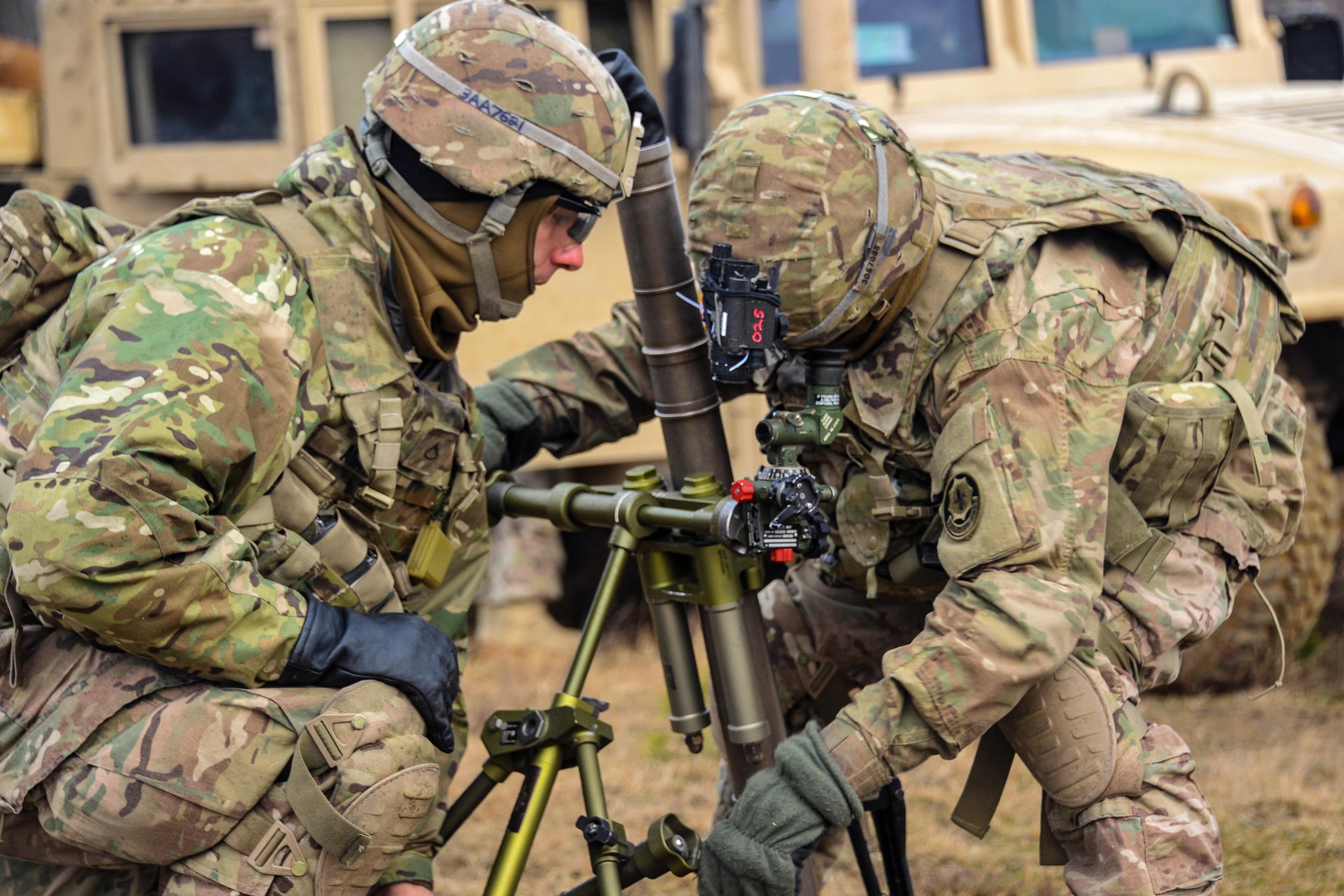
Army Spc. Danial Semenick, right, and Army Pfc. Austin Adame set up a M224 60 mm mortar system at the Drawsko Pomorskie training area, Poland, Feb. 10, 2016. Semenick and Adame are assigned to the 3rd Squadron, 2d Cavalry Regiment. Army photo by Markus Rauchenberger 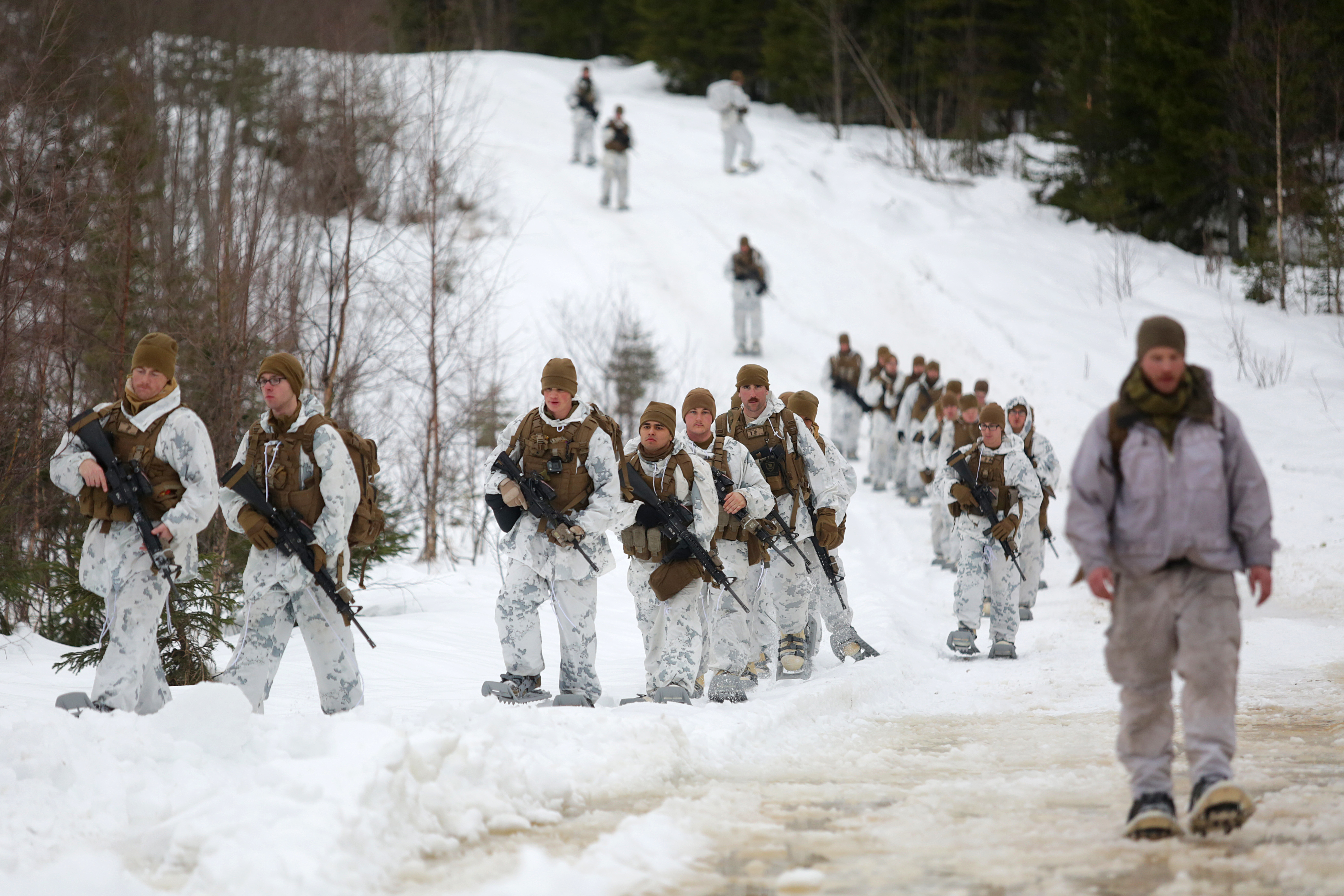
U.S. Marines assigned to The Combined Arms Company out of Bulgaria finish a patrol somewhere in the vast training area in Rena, Norway where the Norwegian Telemark Battalion is located. This unique company is comprised of multiple vehicles with multiple capabilities, including amphibious assault vehicles, M1A1 Abrams Main Battle Tanks and light armored vehicles. In the weeks leading up to exercise Cold Response 16, at the end of the month, the two nations have been conducting bilateral training to improve U.S. Marine Corps capability to operate in cold-weather environments. The exercise will feature maritime, land, and air operations to underscore NATO’s ability to defend against any threat in any environment. The location in central Norway provides a unique, extreme cold-weather environment for all forces involved to develop tactics, techniques, and procedures and learn from one another. 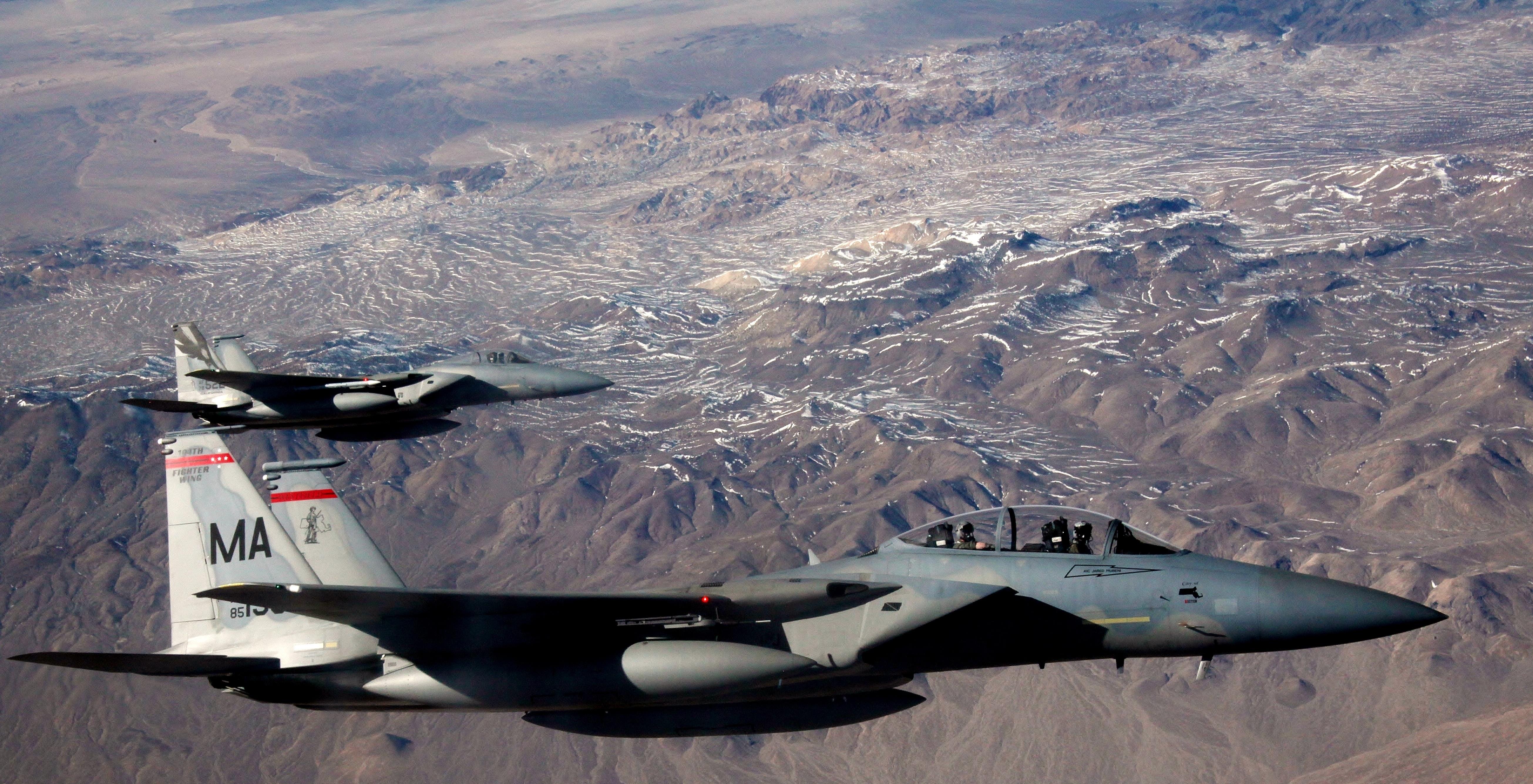
F-15C Eagles assigned to the 131st Fighter Squadron at Barnes Air National Guard Base, Mass., and the 194th Fighter Squadron at Fresno Air National Guard Base, Calif., wait to refuel beside a KC-135 Stratotanker during a Red Flag 16-1 training mission on Feb. 11, 2016. The concept of Red Flag was developed by Maj. Moody Suter to simulate the first 10 combat missions pilots would face. (U.S. Air Force photo/Master Sgt. Burt Traynor) 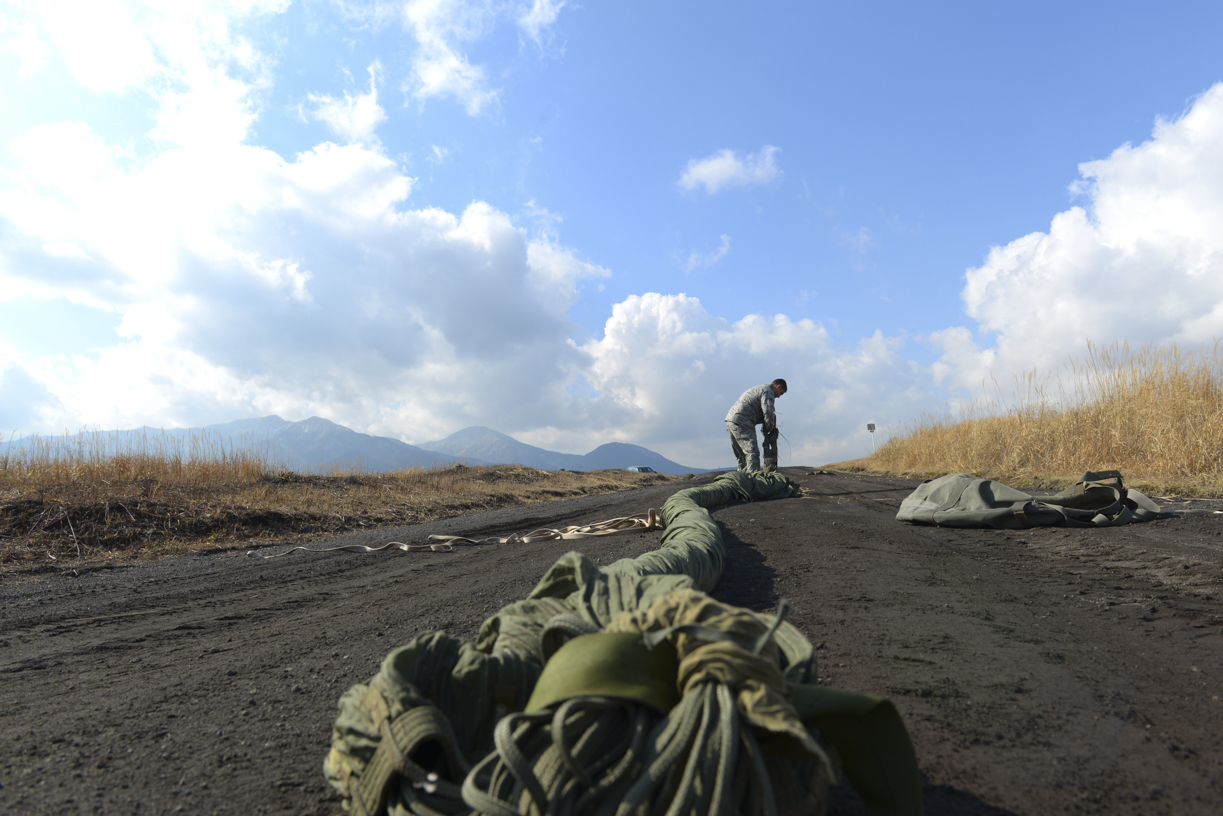
Staff Sgt. Joshua Mcdonald, 374th Logistics Readiness Squadron aerial delivery supervisor, prepares a parachute to be packed at the base of Mount Fuji, Japan, Feb. 2, 2016. Personnel with the 374 LRS manually extract, fold and pack parachutes which can weigh up to 10 pounds. (U.S. Air Force photo by Airman 1st Class Elizabeth Baker/Released) 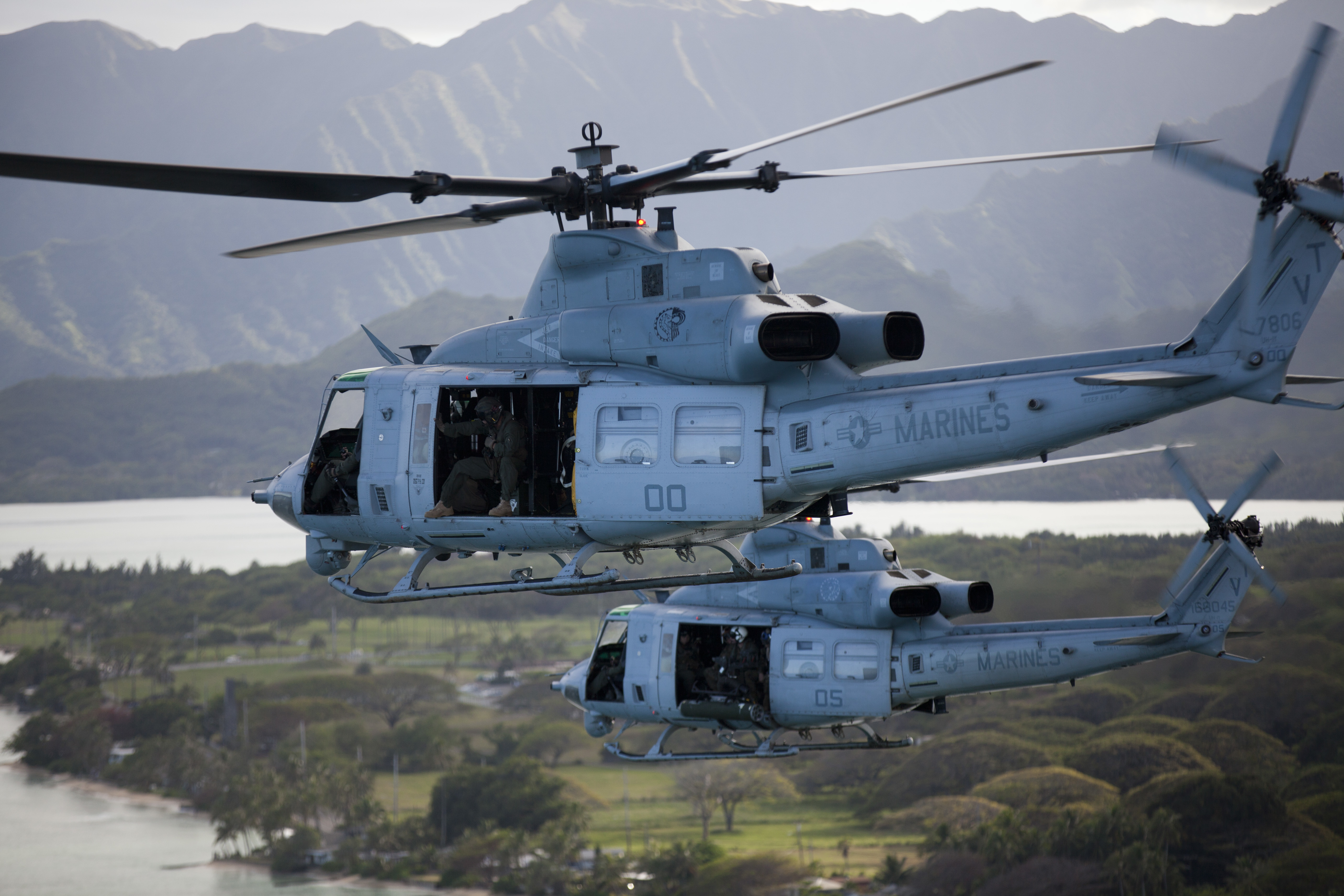
Two U.S. Marine Corps UH-1Y Huey Helicopters fly from Marine Corps Base Hawaii to the North Shore of Oahu, Hawaii during a personnel transportation exercise Feb. 10, 2016. They are flown by Marines assigned to Marine Light Attack Helicopter Squadron 367 to demonstrate their personnel transportation capabilities.The Mission of MCB Hawaii is to provide facilities, programs and services in direct support of units, individuals and families in order to enhance and sustain combat readiness for all operating forces and tenant organizations aboard MCB Hawaii. (U.S. Marine Corps photo by Lance Cpl. Julian Temblador/Released) 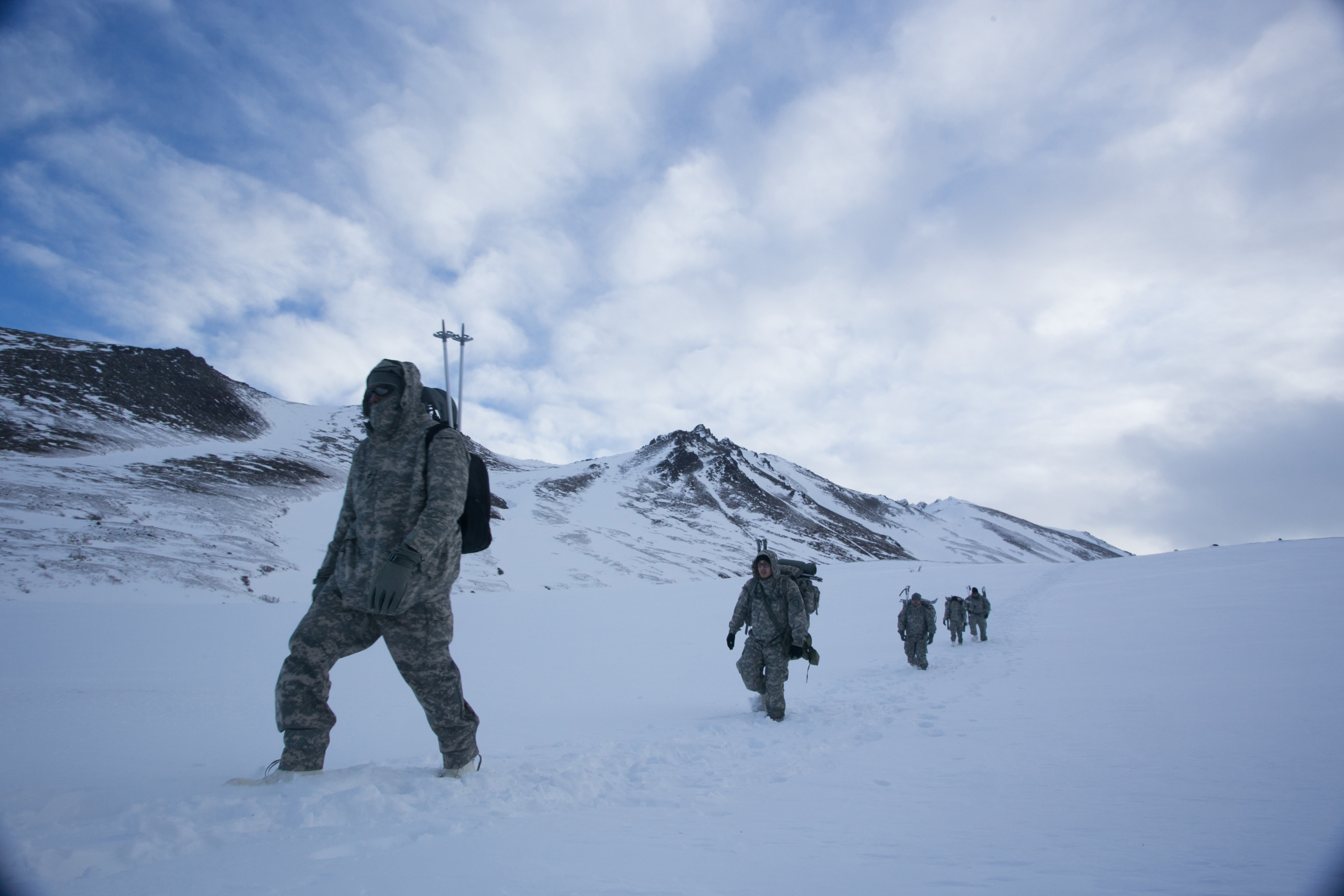
Service members with the Alaska Army National Guard assigned to the 207th Engineer Utility Detachment, conduct avalanche beacon training in Snowhawk Valley, Alaska, Feb. 20. During the weekend, more than 30 Soldiers trained on identifying avalanche dangers, rescue equipment, and arctic survival. (Alaska Army National Guard photo by Staff Sgt. Jack Carlson III) 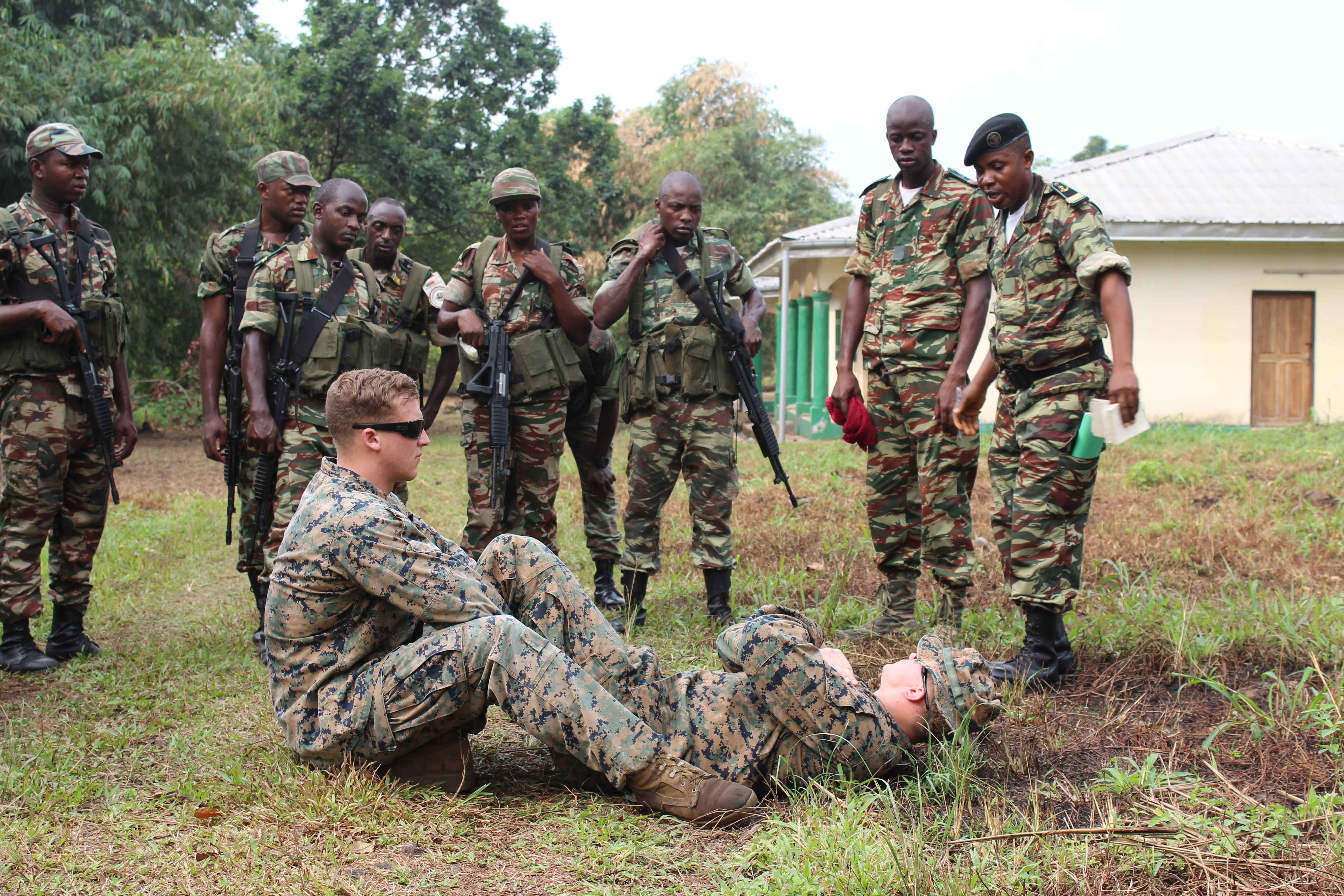
U.S. Marines and sailors are working with Cameroon’s Fusiliers Marins (FUMA) and Compagnie des Palmeurs de Combat (COPALCO) to increase their capabilities to combat illicit activity and increase security in the waterways and borders of Cameroon. At the request of the Cameroonian government and through coordination with the U.S. Embassy in Yaounde, Marines and sailors with Special-Purpose Marine Air-Ground Task Force Crisis Response-Africa, are partnering with their military counterparts in infantry tactics in support of their maritime security force capabilities. The small team of Marines are currently attached to Africa Partnership Station, which is an international security cooperation initiative sponsored by U.S. Africa Command and facilitated by U.S. Naval Forces Africa (NAVAF), aimed at strengthening global maritime partnerships through training and other collaborative activities in order to improve maritime security and safety in Africa. The Marines and sailors are conducting training in combat marksmanship, patrolling, ambush techniques, close-quarters combat, tactical questioning and operations orders. (U.S. Marine Corps Photo by Sgt. Matthew Whitaker) 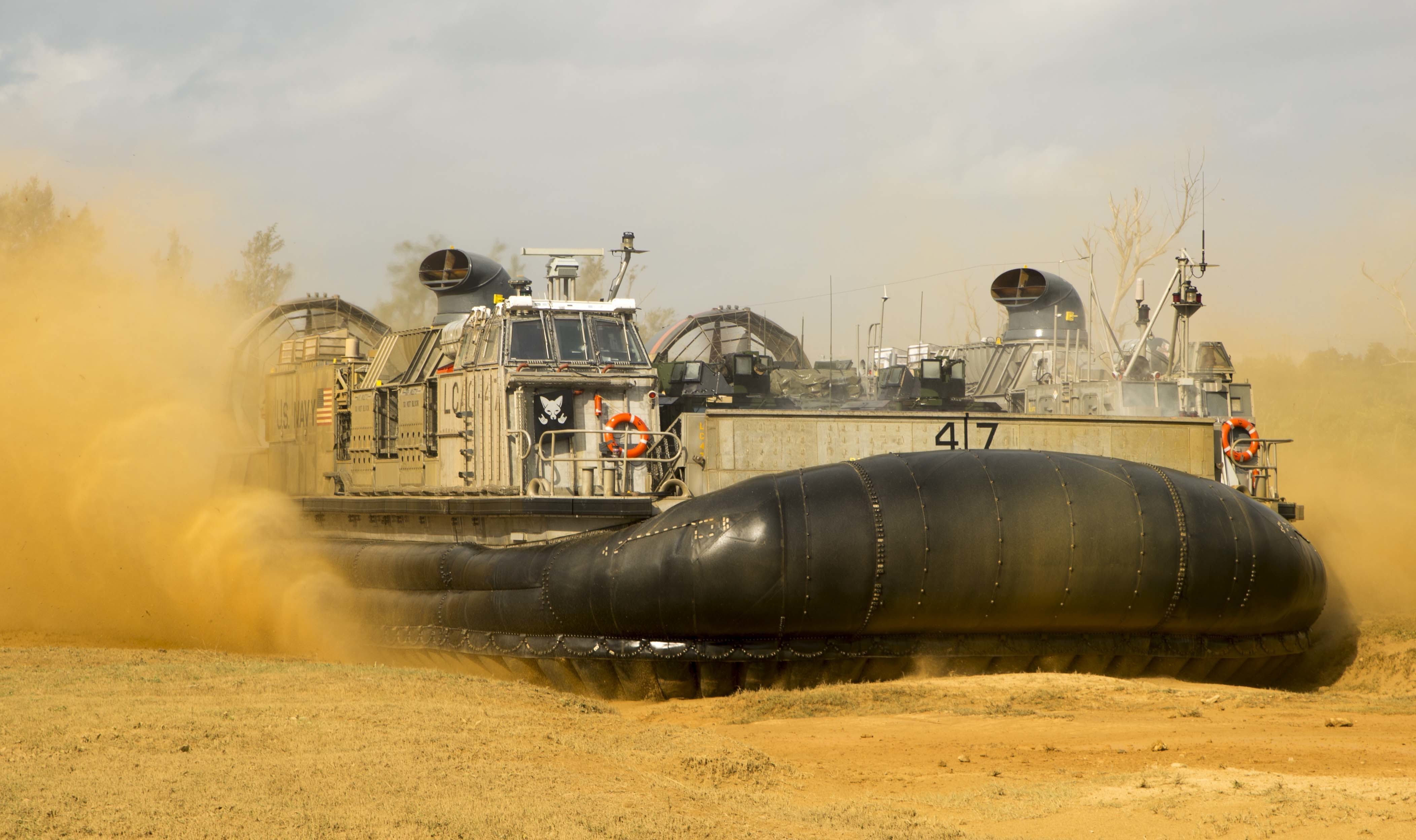
Landing Craft Air Cushioned 47 prepares to deflate on Kin Blue Beach, Okinawa, Japan, Feb. 22. The LCAC was participating in an embassy reinforcement drill. It tests their ability to deploy fast and help support an embassy. The LCAC is used to transport gear, weapons, personnel and cargo from ships to shore. The LCAC is with Naval Beach Unit 7. (U.S. Marine Corps photo by Cpl. Robert Williams Jr./Released) 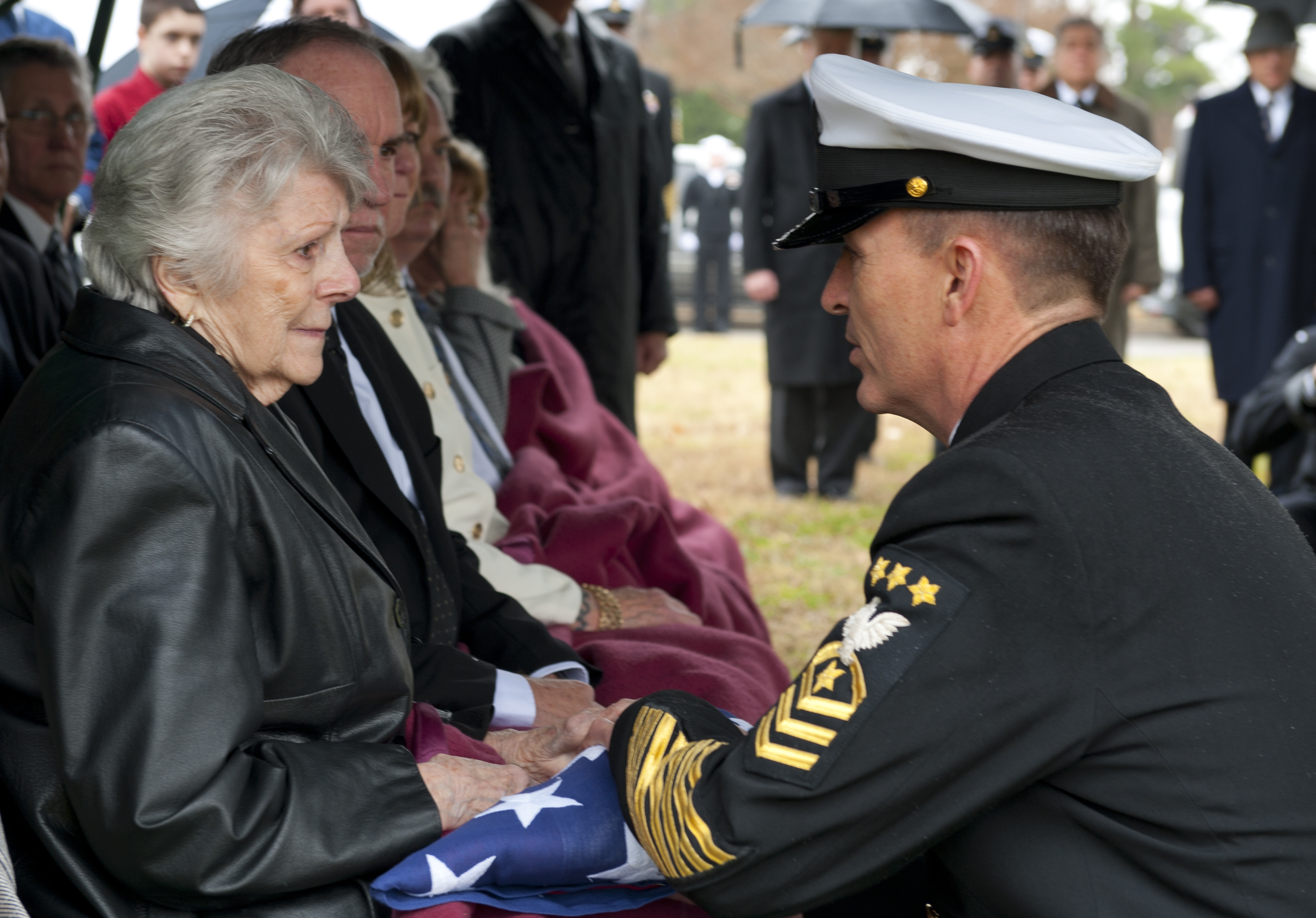
160223-N-OT964-581 NORFOLK (Feb. 23, 2016) Master Chief Petty Officer of the Navy (MCPON) Mike Stevens presents the national ensign to Fran Walker during the burial service for MCPON Robert J. Walker. Walker served as the Navy’s 3rd MCPON from 1975-1979 and was the driving force behind the creation of the Senior Enlisted Academy, the Enlisted Surface Warfare Specialist Qualification, and numerous leadership development programs. Walker is survived by his wife of 64 years, their five children, and is preceded in death by his daughter Michelle Walker Pfeffer (U.S. Navy photo by Mass Communication Specialist 1st Class Martin L. Carey/Released) 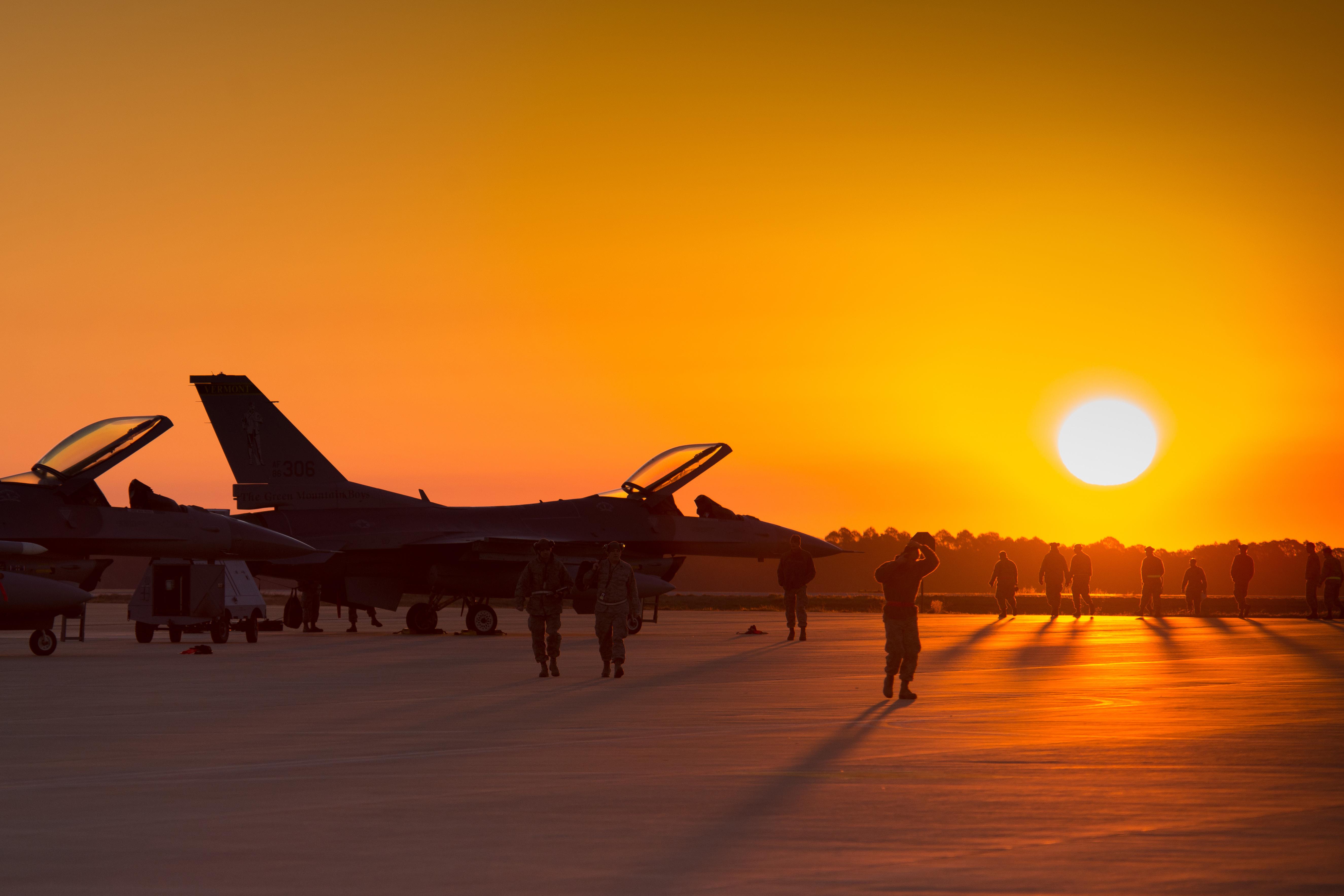
Airmen conduct an early morning search for debris on the flightline before daily operations on Eglin Air Force Base, Fla., Feb. 8, 2016. The airmen are assigned to the 158th Maintenance Squadron. Air Force photo by Airman 1st Class Jeffrey Tatro
Frontline Photos: Feb. 24, 2016
Share:
- Share on Facebook (Opens in new window)Facebook
- Share on X (Opens in new window)X
- Share on Bluesky (Opens in new window)Bluesky
- Share on Reddit (Opens in new window)Reddit
- Share on LinkedIn (Opens in new window)LinkedIn
- Share using Native toolsShareCopied to clipboard
- Share on Mail (Opens in new window)Mail