-
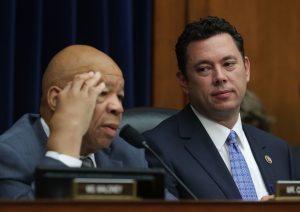
Democrats hammer Trump budget plan with DoD efficiency study
Democratic lawmakers used a Pentagon efficiency study that claimed $125 billion in potential savings to attack President Trump’s plan to fund a defense hike with domestic cuts.
-
![NSA, FBI: Russian cyber tactics, ‘loudness’ key differences in 2016 election interference [Updated]](https://one.sightlinemg.com/wp-content/uploads/2026/08/AP17079530664059.jpg.jpg?w=300)
NSA, FBI: Russian cyber tactics, ‘loudness’ key differences in 2016 election interference [Updated]
NSA Director Adm. Michael Rogers told Congress on Monday that the cyber dimension was a key difference in the Russian active measures used to interfere in the 2016 U.S. presidential election, compared to previously observed Russian activities in other elections.
-

Trump adviser: Secret warrant may have caught contact with Russian hacker
Longtime Trump adviser Roger Stone says he believes his contacts with a Russian-linked hacker who took credit for breaching the Democratic National Committee may have been obtained through a special warrant that allows the government to collect the communications of people suspected of being agents of a foreign nation.
-

NY Senate pushes bills upping punishments for cyberterrorism
The state Senate has passed dual bills aimed at preventing cyberattacks and terrorism at international business and commerce centers like New York City.
-
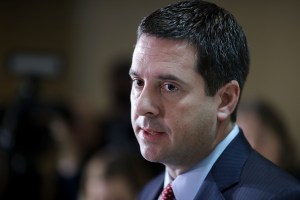
4 questions set scope of House Intel Committee’s Russia investigation
The four points of inquiry in the committees probe represent a bipartisan compromise, after Ranking Member Schiff openly criticized Nunes for his determination that intelligence would not show connections between Russia and Trumps campaign.
-
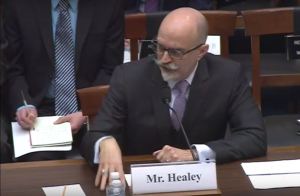
House hearing gives glimpse into cyberwar threats, challenges, opportunities
Cyber continues to be a domain of warfare in which there are more questions than answers and in which defining the specific problems is as tricky as finding the solutions will prove to be.
-

DNI nominee puts cyberwarfare at top of threat list
President Donald Trump’s nominee to be the nation’s top spy chief, former GOP Sen. Dan Coats, said cyberwar will be one of the top threats facing the U.S. in the years to come, along with terrorism.
-
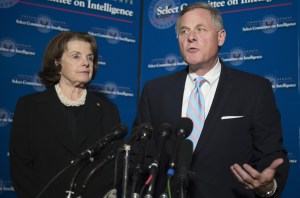
State of encryption, part II: Policy limbo
Part I explored legal issues and the implications of recent cases on encryption. Part II surveys recent developments in and the current state of encryption technology and policy.
-
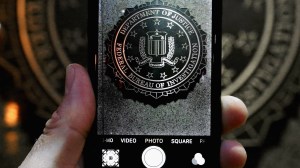
State of encryption, part I: Cryptic laws
The past year has seen significant developments in encryption technology, policy and legal cases. With a new presidential administration and Congress, its timely to consider the current state of encryption and what the future could hold.
-

Options for incentivizing private-sector cybersecurity
Cybersecurity is a unique policy challenge because over 80 percent of U.S. information technology infrastructure is owned and operated by private entities, according to former CIA Director John Brennan. Yet cybersecurity vulnerabilities in these systems, networks and products could have national security implications.
-
Democrats hammer Trump budget plan with DoD efficiency study
Democratic lawmakers used a Pentagon efficiency study that claimed $125 billion in potential savings to attack President Trump’s plan to fund a defense hike with domestic cuts.
-
NSA, FBI: Russian cyber tactics, ‘loudness’ key differences in 2016 election interference [Updated]
NSA Director Adm. Michael Rogers told Congress on Monday that the cyber dimension was a key difference in the Russian active measures used to interfere in the 2016 U.S. presidential election, compared to previously observed Russian activities in other elections.
-
Trump adviser: Secret warrant may have caught contact with Russian hacker
Longtime Trump adviser Roger Stone says he believes his contacts with a Russian-linked hacker who took credit for breaching the Democratic National Committee may have been obtained through a special warrant that allows the government to collect the communications of people suspected of being agents of a foreign nation.
-
NY Senate pushes bills upping punishments for cyberterrorism
The state Senate has passed dual bills aimed at preventing cyberattacks and terrorism at international business and commerce centers like New York City.
-
4 questions set scope of House Intel Committee’s Russia investigation
The four points of inquiry in the committees probe represent a bipartisan compromise, after Ranking Member Schiff openly criticized Nunes for his determination that intelligence would not show connections between Russia and Trumps campaign.
-
House hearing gives glimpse into cyberwar threats, challenges, opportunities
Cyber continues to be a domain of warfare in which there are more questions than answers and in which defining the specific problems is as tricky as finding the solutions will prove to be.
-
DNI nominee puts cyberwarfare at top of threat list
President Donald Trump’s nominee to be the nation’s top spy chief, former GOP Sen. Dan Coats, said cyberwar will be one of the top threats facing the U.S. in the years to come, along with terrorism.
-
State of encryption, part II: Policy limbo
Part I explored legal issues and the implications of recent cases on encryption. Part II surveys recent developments in and the current state of encryption technology and policy.
-
State of encryption, part I: Cryptic laws
The past year has seen significant developments in encryption technology, policy and legal cases. With a new presidential administration and Congress, its timely to consider the current state of encryption and what the future could hold.
-
Options for incentivizing private-sector cybersecurity
Cybersecurity is a unique policy challenge because over 80 percent of U.S. information technology infrastructure is owned and operated by private entities, according to former CIA Director John Brennan. Yet cybersecurity vulnerabilities in these systems, networks and products could have national security implications.
-

Democrats hammer Trump budget plan with DoD efficiency study
Democratic lawmakers used a Pentagon efficiency study that claimed $125 billion in potential savings to attack President Trump’s plan to fund a defense hike with domestic cuts.
-
![NSA, FBI: Russian cyber tactics, ‘loudness’ key differences in 2016 election interference [Updated]](https://one.sightlinemg.com/wp-content/uploads/2026/08/AP17079530664059.jpg.jpg?w=1024)
NSA, FBI: Russian cyber tactics, ‘loudness’ key differences in 2016 election interference [Updated]
NSA Director Adm. Michael Rogers told Congress on Monday that the cyber dimension was a key difference in the Russian active measures used to interfere in the 2016 U.S. presidential election, compared to previously observed Russian activities in other elections.
-
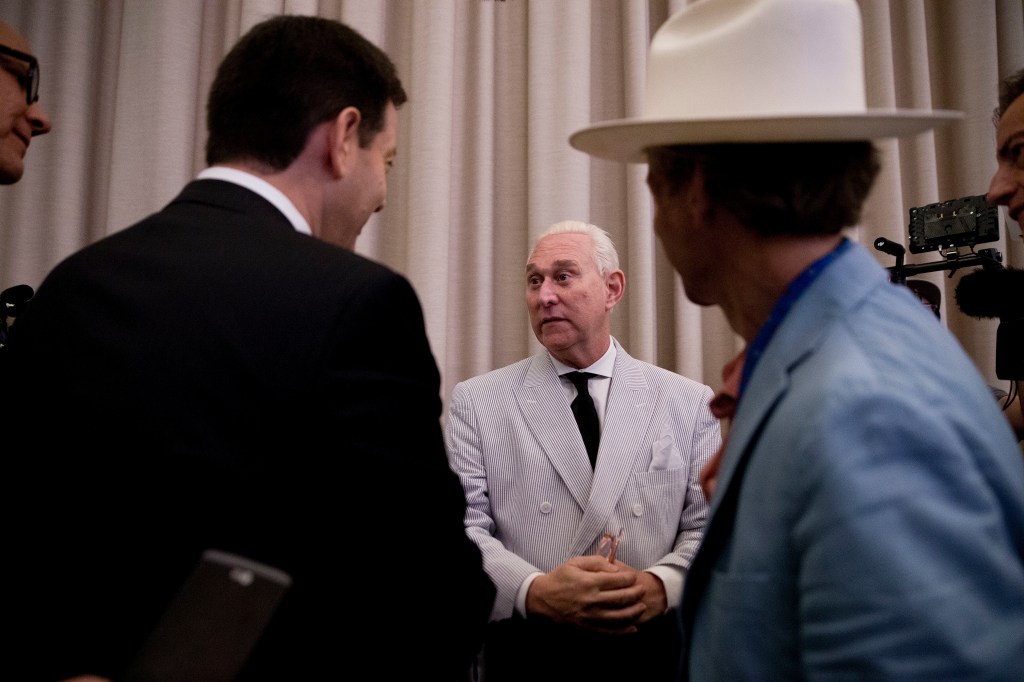
Trump adviser: Secret warrant may have caught contact with Russian hacker
Longtime Trump adviser Roger Stone says he believes his contacts with a Russian-linked hacker who took credit for breaching the Democratic National Committee may have been obtained through a special warrant that allows the government to collect the communications of people suspected of being agents of a foreign nation.
-

NY Senate pushes bills upping punishments for cyberterrorism
The state Senate has passed dual bills aimed at preventing cyberattacks and terrorism at international business and commerce centers like New York City.
-

4 questions set scope of House Intel Committee’s Russia investigation
The four points of inquiry in the committees probe represent a bipartisan compromise, after Ranking Member Schiff openly criticized Nunes for his determination that intelligence would not show connections between Russia and Trumps campaign.
-
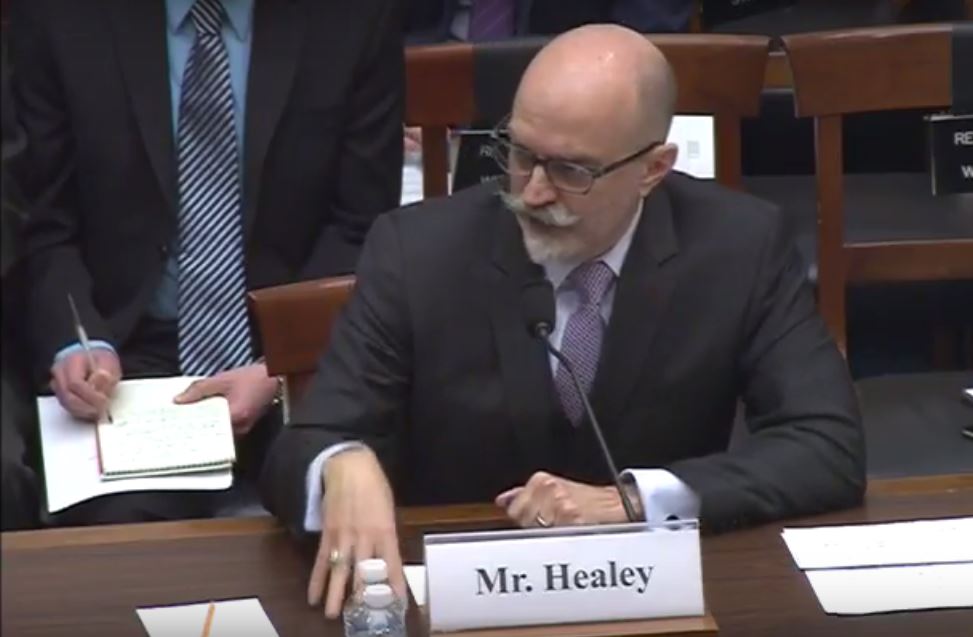
House hearing gives glimpse into cyberwar threats, challenges, opportunities
Cyber continues to be a domain of warfare in which there are more questions than answers and in which defining the specific problems is as tricky as finding the solutions will prove to be.
-
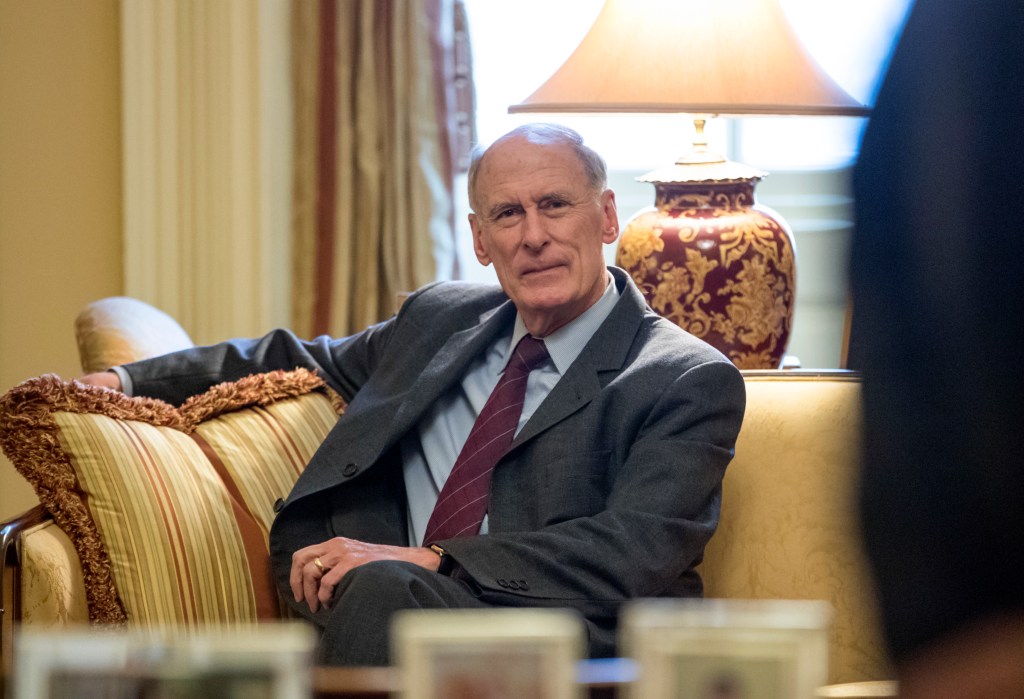
DNI nominee puts cyberwarfare at top of threat list
President Donald Trump’s nominee to be the nation’s top spy chief, former GOP Sen. Dan Coats, said cyberwar will be one of the top threats facing the U.S. in the years to come, along with terrorism.
-
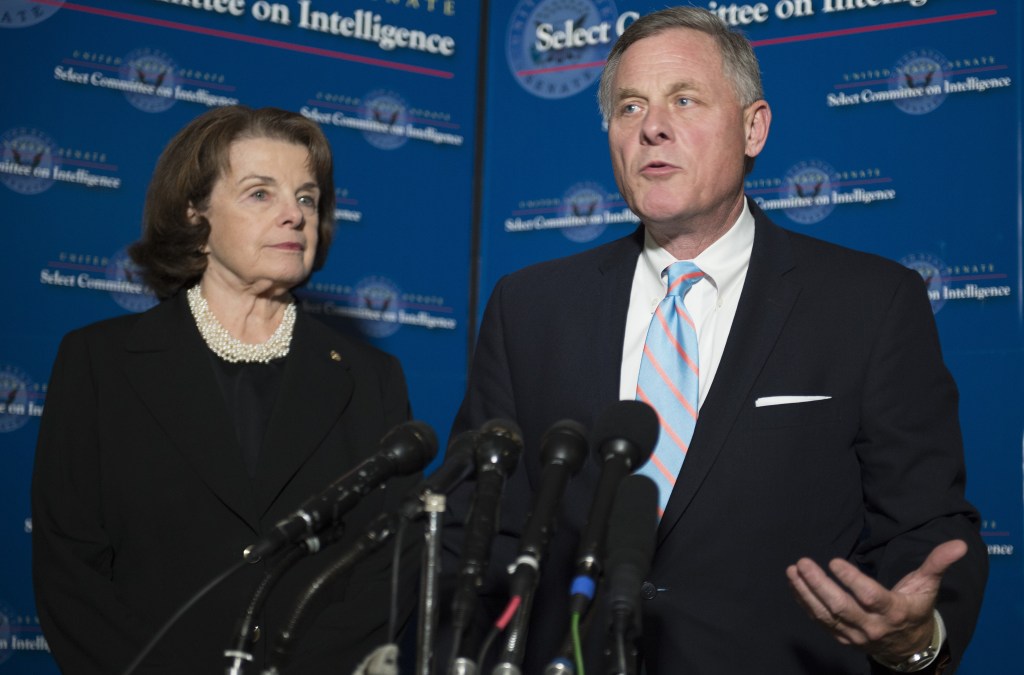
State of encryption, part II: Policy limbo
Part I explored legal issues and the implications of recent cases on encryption. Part II surveys recent developments in and the current state of encryption technology and policy.
-
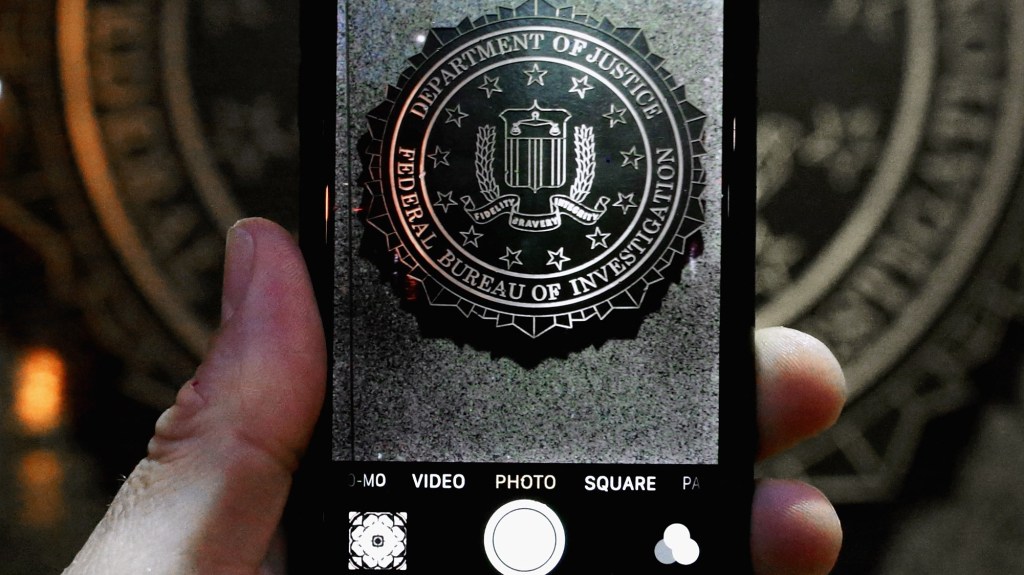
State of encryption, part I: Cryptic laws
The past year has seen significant developments in encryption technology, policy and legal cases. With a new presidential administration and Congress, its timely to consider the current state of encryption and what the future could hold.
-

Options for incentivizing private-sector cybersecurity
Cybersecurity is a unique policy challenge because over 80 percent of U.S. information technology infrastructure is owned and operated by private entities, according to former CIA Director John Brennan. Yet cybersecurity vulnerabilities in these systems, networks and products could have national security implications.