-
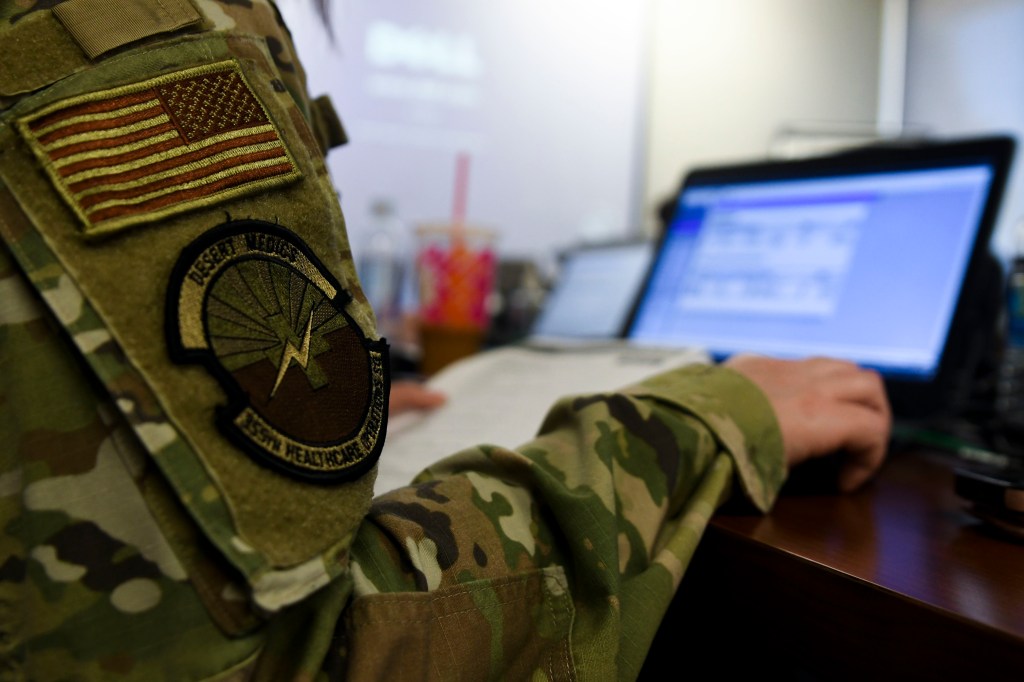
Impact of massive health care cyberattack on vets remains unclear
A massive cyberattack against a private health care firm in February may have exposed millions of veterans’ personal medical records.
-
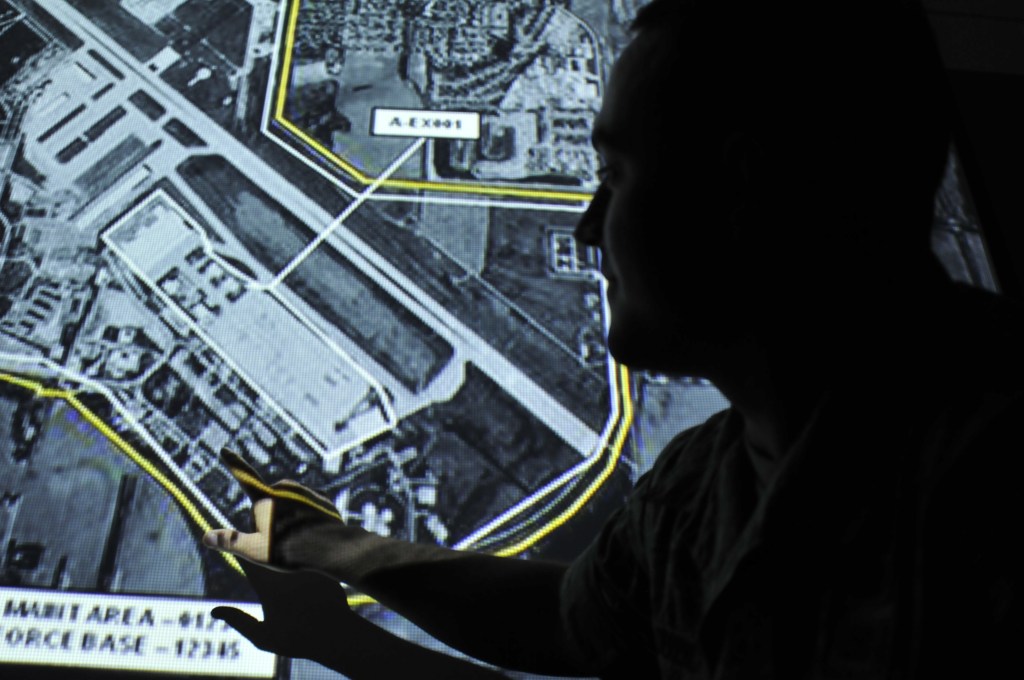
Danti search engine answers Space Force location questions with images
The tool draws from public government databases and is versed in geospatial, signals and open-source intelligence, and is already in operation.

IT & Networks
The digital revolution is changing everything, including the federal government. Stay up to date on how IT is changing the face of government.
-

US Army to launch AI pilot project for acquisition workforce
The pilot project is part of a broader effort within the Army to identify both the pitfalls and the opportunities that come with widely adopting AI tools.
-
A win, a miss and a path to stronger digital authentication
The NCSIP introduces a dedicated segment for policy reviews, ensuring an adaptive strategy that remains in sync with an evolving cybersecurity landscape.
-

Three ways a technological revolution will impact the intel community
A technological revolution is set to hit the intelligence community hard, and in three earth-shaking ways.
-
Google, Meta, other tech companies agree on Biden’s AI safeguards
The White House said Friday that it has secured voluntary commitments from seven U.S. companies meant to ensure their AI products are safe before release.
-

Building trust in a software-defined, AI-driven world
We live in a world that depends on software and Artificial Intelligence for virtually every aspect of our lives, a trend will which only continue.
-
White House unveils cybersecurity labeling program for smart devices
U.S. Cyber Trust Mark initiative to be overseen by the Federal Communications Commission, with voluntary industry participation.
-
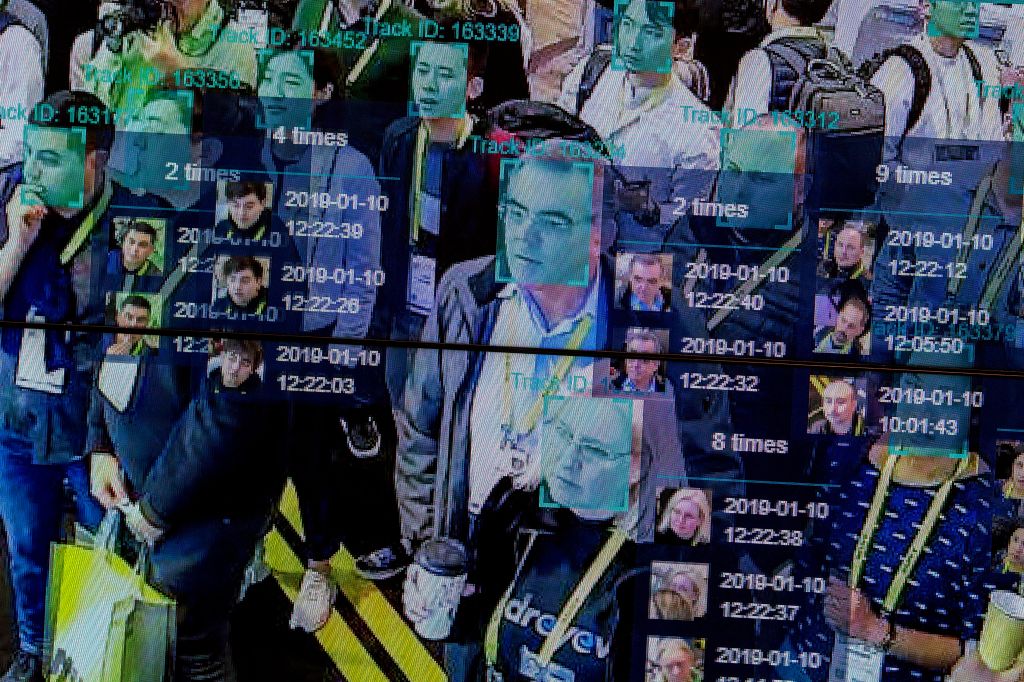
A sensible approach to AI regulation
Humans will use AI as a co-pilot to make them more efficient in unwanted or criminal digital behavior, like cyberattacks or misinformation campaigns.
-
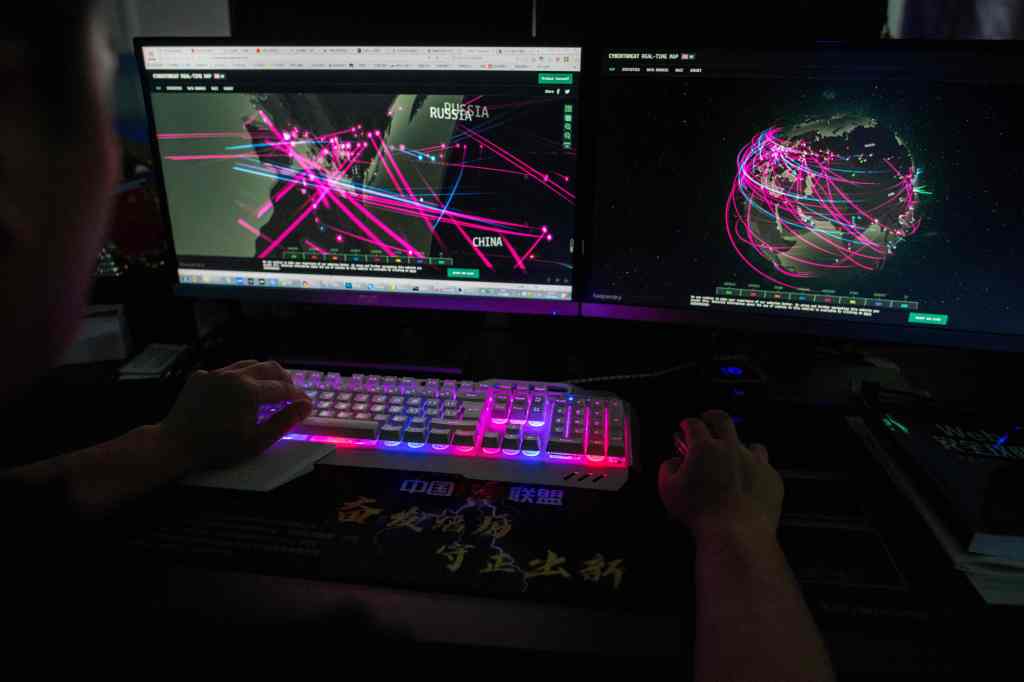
US government-linked email accounts hacked from China, Microsoft says
The Storm-0558 hackers used forged authentication tokens — pieces of information used to verify the identity of a user — required to access the accounts.
-
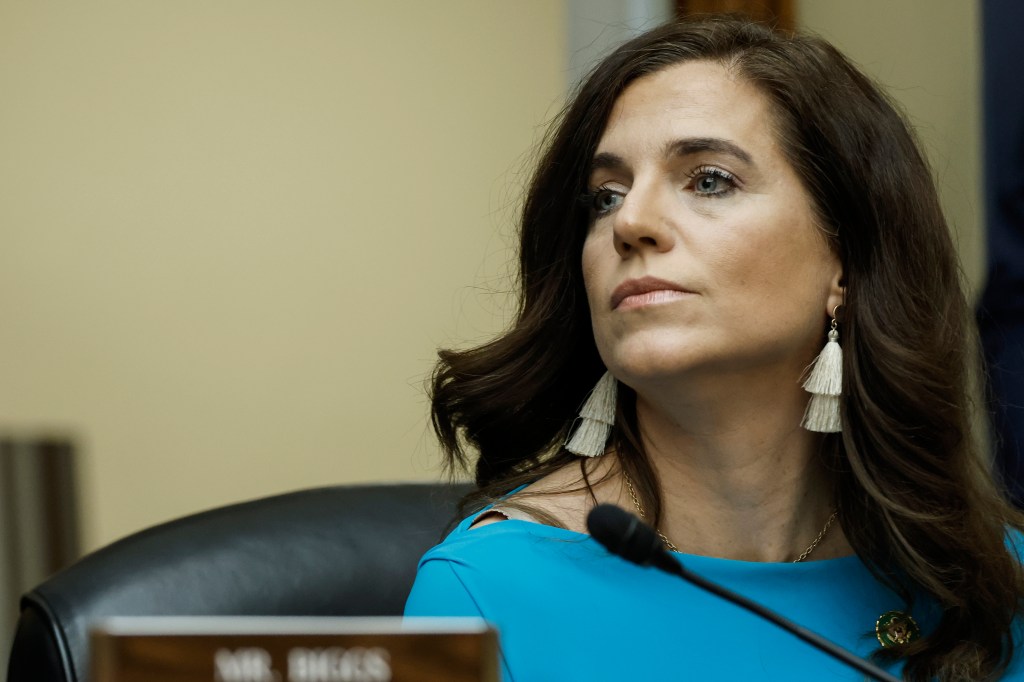
Lawmaker summons Pentagon official over canceled travel software
Rep. Nancy Mace has asked a defense official to testify before her subcommittee to explain the sudden cancellation of a new software contract.
-
How agencies can use CISA’s new roadmap to speed Zero Trust transition
Federal agencies are learning that the shift from perimeter security to Zero Trust architecture is a major undertaking.
-
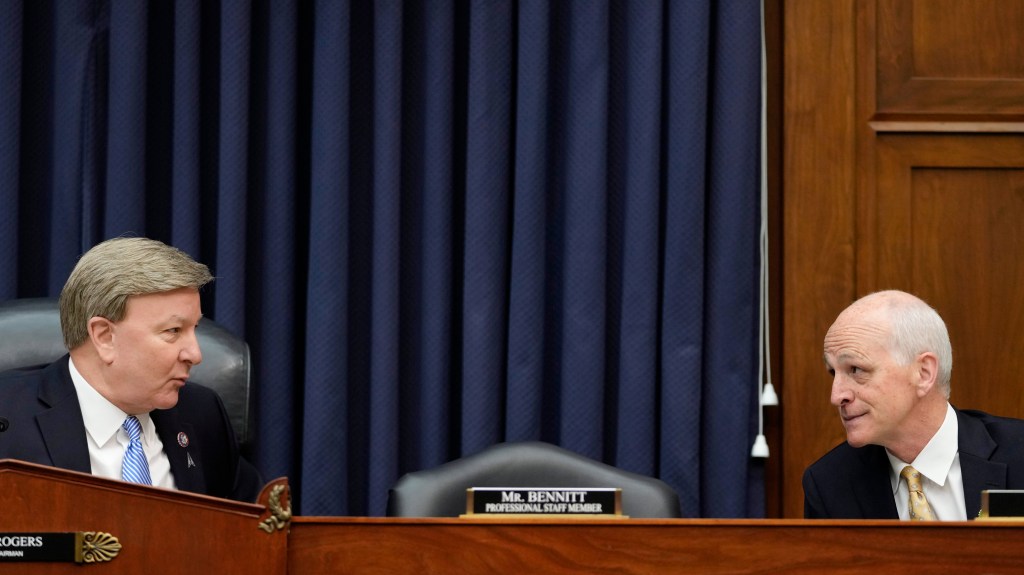
House defense bill adds special Ukraine IG, Taiwan cyber cooperation
The House’s FY24 National Defense Authorization Act sets up a Special Inspector General for Ukraine and requires cooperation on Taiwan cybersecurity.