-
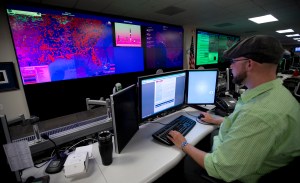
Washington must act to build capable federal cybersecurity workforce
As technology and adversary techniques advance, so do the technical skills required by the federal workforce at all levels
-
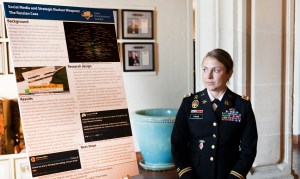
Military, veterans learn to fight disinformation campaigns
Over the past several years, disinformation, or the intentional deployment of false information for malicious ends, has emerged as a critical threat.
-

Five best practices for risk-based patch management in government
RBPM can focus active cyber mitigation efforts on the highest priority threats.
-

Biden speaking five languages shows potential, risks of deepfake tech
Deepfake technology, often used in propaganda or to mislead, can also help improve communications and aid diplomacy.
-

Senators launch last-minute push to overturn Ligado 5G decision
A bipartisan group of senators urges the FCC to overturn the 2020 Ligado decision establishing a new 5G network that critics say could interfere with GPS.
-
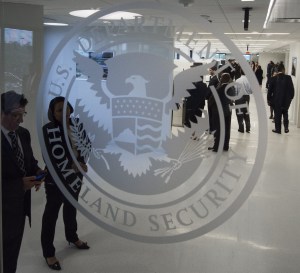
Federal government using artificial intelligence to fight cybercrime
Around 95 percent of cybersecurity issues can be traced to human error. A lack of cybersecurity experts in government is compounding the problem.
-
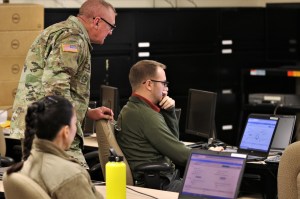
Army’s long-delayed HR platform launch in jeopardy — again
The service might launch a limited version of the platform that works around its ongoing data issues.
-

Operation Cyber Dragon turning US Navy reservists into digital defenders
“The interesting thing in the IT world or the network world is what’s patched and 100% compliant today might not be patched tomorrow, because vulnerabilities ebb and flow.”
-
Remember 5G? Pentagon backs 6G hub tied to Army Research Lab
“The DoD has a vital interest in advancing 5G-to-NextG wireless technologies and concept demonstrations,” said Sumit Roy, the IB5G program director.
-

Lessons learned from the pandemic in modernizing public health systems
Agency leaders from Ventura County, California, and Winnebago, Illinois, spoke about how they transformed their technology infrastructure and processes to handle COVID-19 and how they plan to replicate and scale these changes to impact service delivery beyond pandemic-related needs.
-
Washington must act to build capable federal cybersecurity workforce
As technology and adversary techniques advance, so do the technical skills required by the federal workforce at all levels
-
Military, veterans learn to fight disinformation campaigns
Over the past several years, disinformation, or the intentional deployment of false information for malicious ends, has emerged as a critical threat.
-
Five best practices for risk-based patch management in government
RBPM can focus active cyber mitigation efforts on the highest priority threats.
-
Biden speaking five languages shows potential, risks of deepfake tech
Deepfake technology, often used in propaganda or to mislead, can also help improve communications and aid diplomacy.
-
Senators launch last-minute push to overturn Ligado 5G decision
A bipartisan group of senators urges the FCC to overturn the 2020 Ligado decision establishing a new 5G network that critics say could interfere with GPS.
-
Federal government using artificial intelligence to fight cybercrime
Around 95 percent of cybersecurity issues can be traced to human error. A lack of cybersecurity experts in government is compounding the problem.
-
Army’s long-delayed HR platform launch in jeopardy — again
The service might launch a limited version of the platform that works around its ongoing data issues.
-
Operation Cyber Dragon turning US Navy reservists into digital defenders
“The interesting thing in the IT world or the network world is what’s patched and 100% compliant today might not be patched tomorrow, because vulnerabilities ebb and flow.”
-
Remember 5G? Pentagon backs 6G hub tied to Army Research Lab
“The DoD has a vital interest in advancing 5G-to-NextG wireless technologies and concept demonstrations,” said Sumit Roy, the IB5G program director.
-
Lessons learned from the pandemic in modernizing public health systems
Agency leaders from Ventura County, California, and Winnebago, Illinois, spoke about how they transformed their technology infrastructure and processes to handle COVID-19 and how they plan to replicate and scale these changes to impact service delivery beyond pandemic-related needs.
-
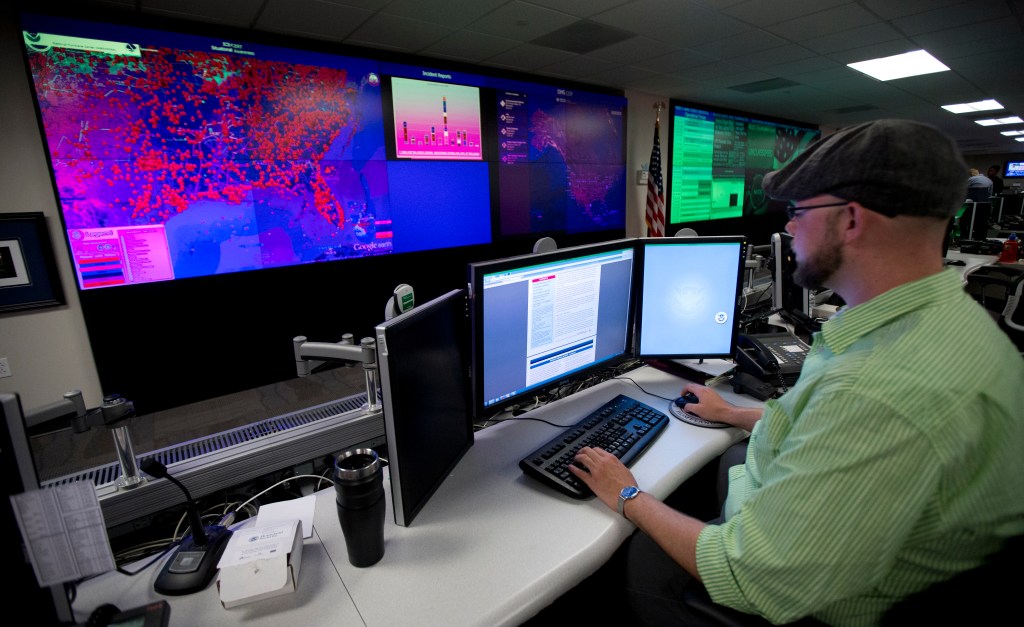
Washington must act to build capable federal cybersecurity workforce
As technology and adversary techniques advance, so do the technical skills required by the federal workforce at all levels
-
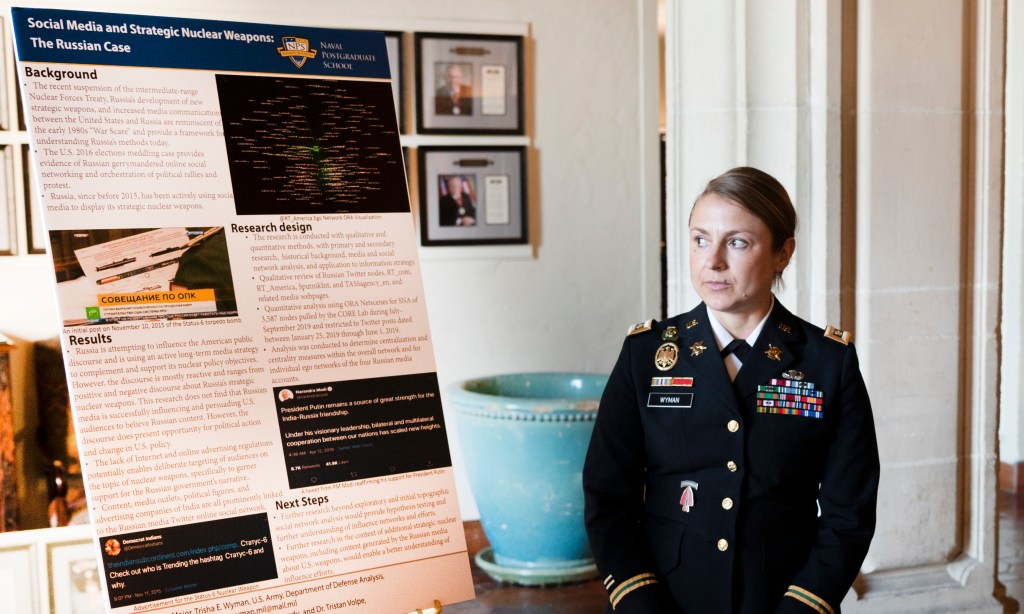
Military, veterans learn to fight disinformation campaigns
Over the past several years, disinformation, or the intentional deployment of false information for malicious ends, has emerged as a critical threat.
-
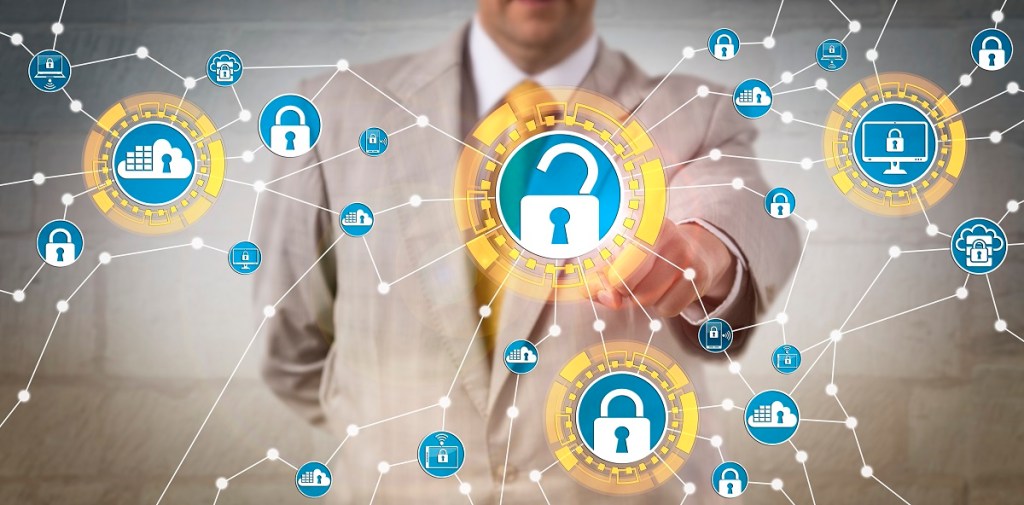
Five best practices for risk-based patch management in government
RBPM can focus active cyber mitigation efforts on the highest priority threats.
-
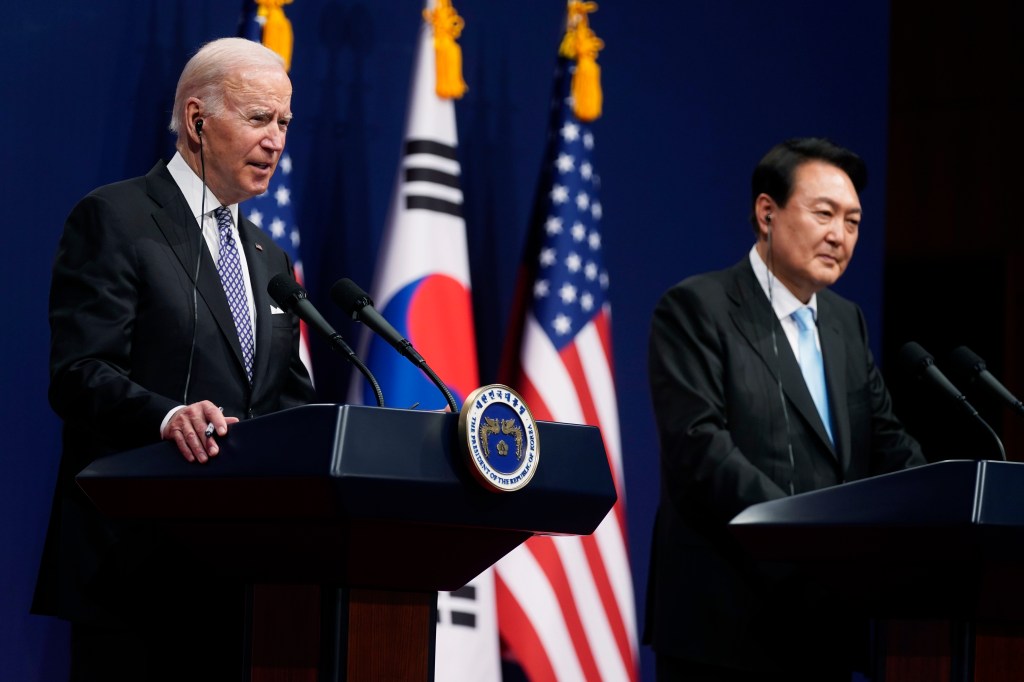
Biden speaking five languages shows potential, risks of deepfake tech
Deepfake technology, often used in propaganda or to mislead, can also help improve communications and aid diplomacy.
-

Senators launch last-minute push to overturn Ligado 5G decision
A bipartisan group of senators urges the FCC to overturn the 2020 Ligado decision establishing a new 5G network that critics say could interfere with GPS.
-
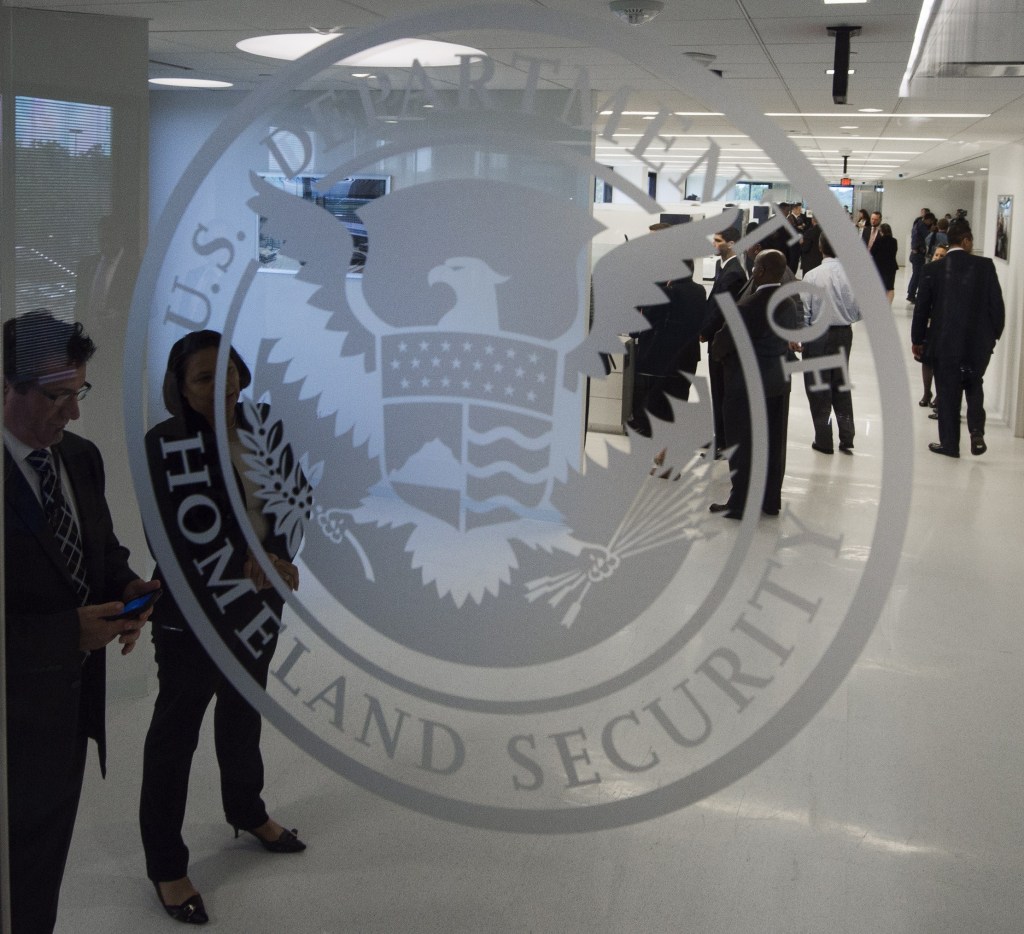
Federal government using artificial intelligence to fight cybercrime
Around 95 percent of cybersecurity issues can be traced to human error. A lack of cybersecurity experts in government is compounding the problem.
-
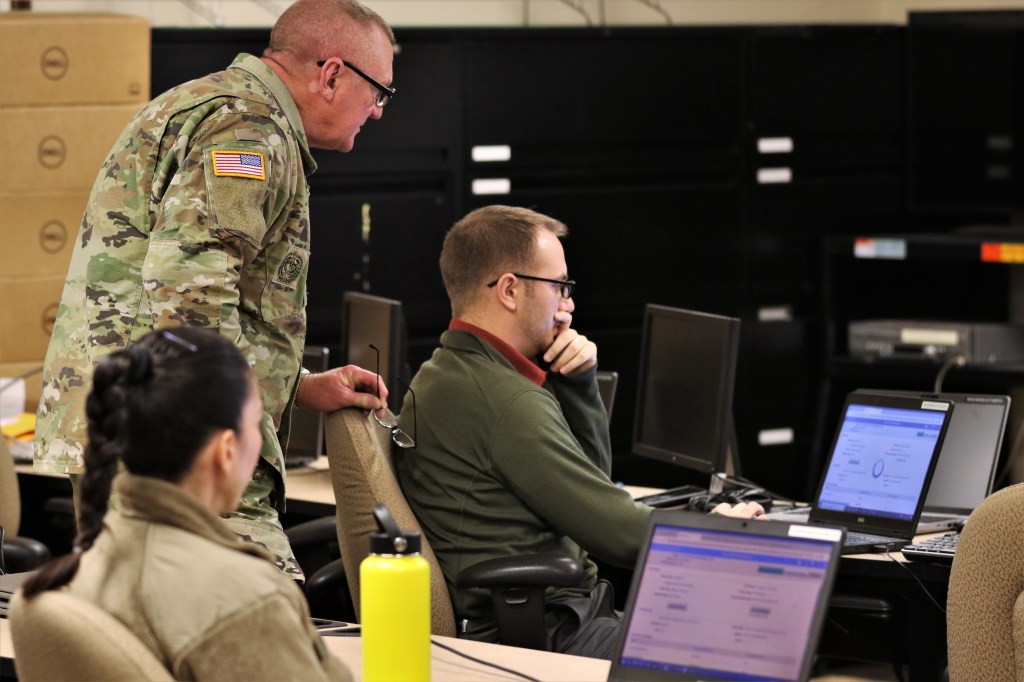
Army’s long-delayed HR platform launch in jeopardy — again
The service might launch a limited version of the platform that works around its ongoing data issues.
-

Operation Cyber Dragon turning US Navy reservists into digital defenders
“The interesting thing in the IT world or the network world is what’s patched and 100% compliant today might not be patched tomorrow, because vulnerabilities ebb and flow.”
-
Remember 5G? Pentagon backs 6G hub tied to Army Research Lab
“The DoD has a vital interest in advancing 5G-to-NextG wireless technologies and concept demonstrations,” said Sumit Roy, the IB5G program director.
-

Lessons learned from the pandemic in modernizing public health systems
Agency leaders from Ventura County, California, and Winnebago, Illinois, spoke about how they transformed their technology infrastructure and processes to handle COVID-19 and how they plan to replicate and scale these changes to impact service delivery beyond pandemic-related needs.