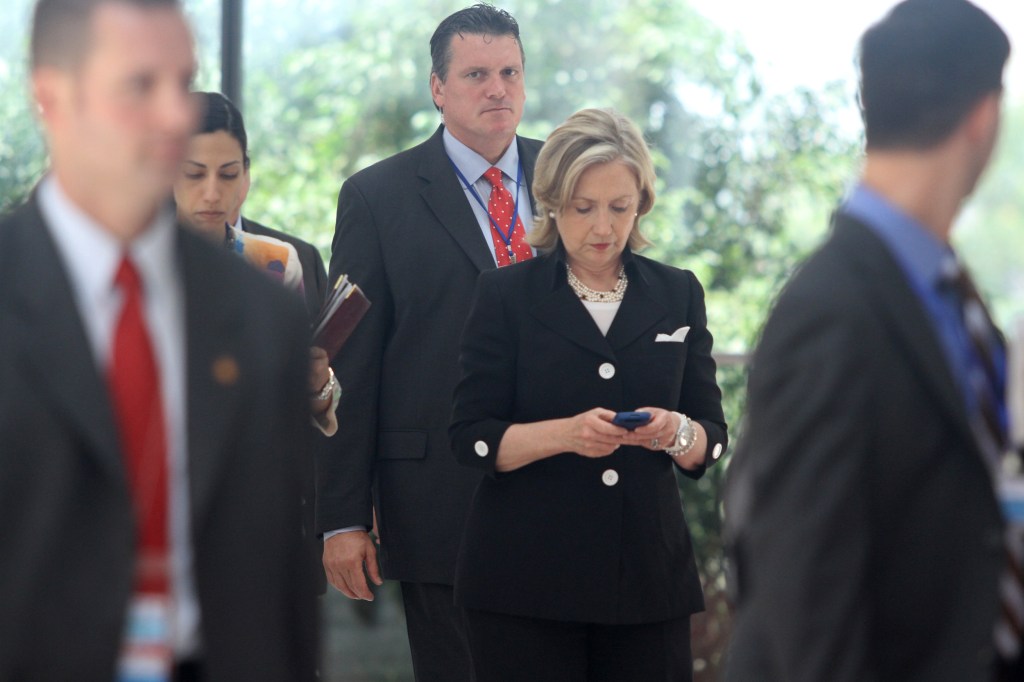
As first reported by the New York Times earlier this week, Clinton used a personal email account throughout her four-year tenure at State, which came to light after aides officially submitted 55,000 pages of emails to the department and the National Archives and Records Administration.
The Times pointed out that Clinton is not the first government executive to use personal email but the exclusive use raises concerns.
“I can recall no instance in my time at the National Archives when a high-ranking official at an executive branch agency solely used a personal email account for the transaction of government business,” former NARA Director of Litigation Jason Baron told the Times.
While pundits and politicians are debating the ethics and legality of this, it also raises questions about the security of Clinton’s communications.
“This news is yet another example of the lines blurring between work and personal lives and should serve as a wake-up call to federal IT departments,” said Bob Stevens, vice president of federal systems at Lookout. “This trend towards mobility has clear benefits but it also adds a nuanced layer to not just email security, but all security.”
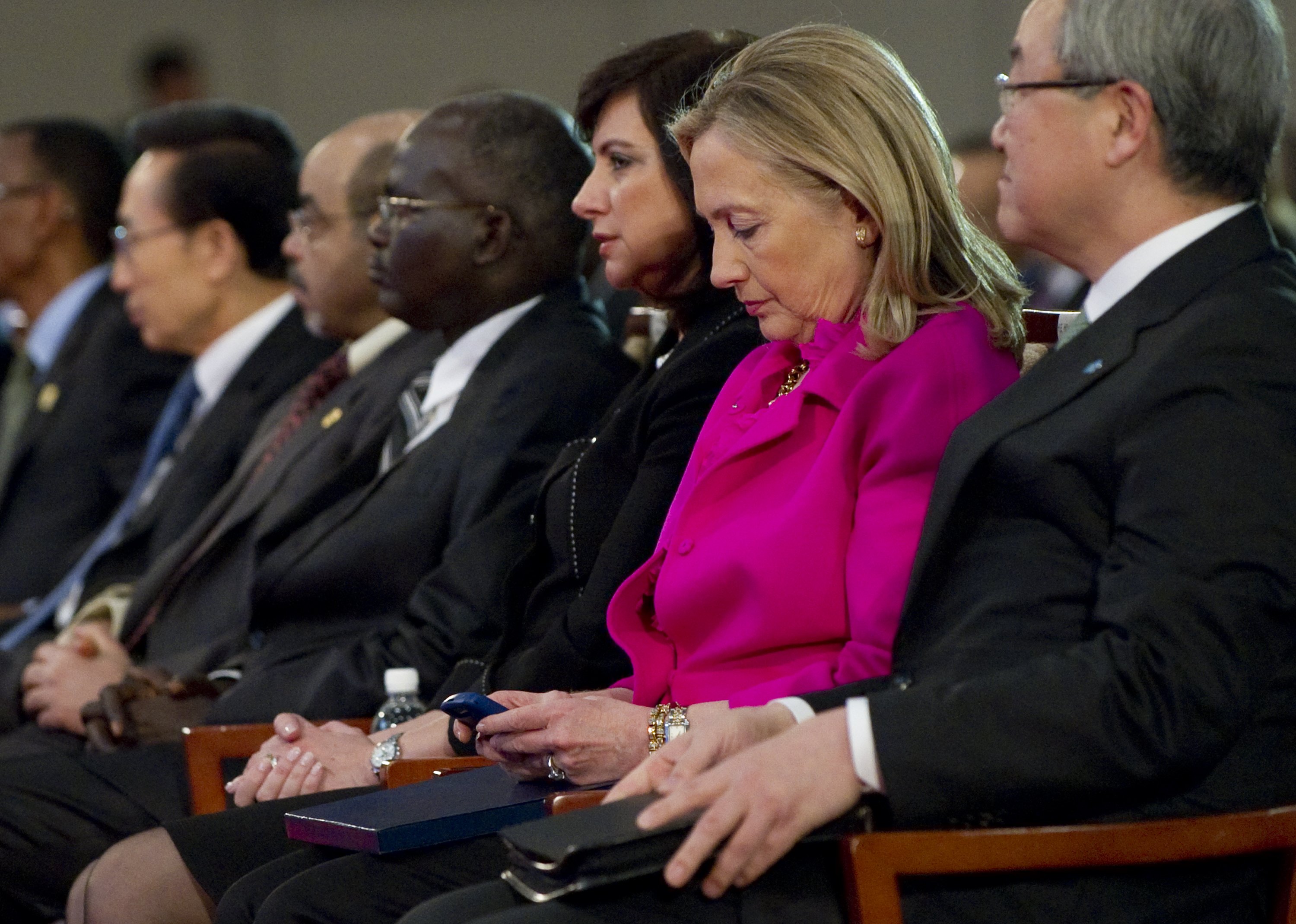
Stevens noted that mobile devices, by their nature, move about and touch multiple networks as they do so. Since some networks are less secure than others, it becomes even more important to use secure programs and services to communicate.
“The reality is that every organization has a BYOD program — whether they think they do or not,” Stevens said. “Now’s the time to shore up the systems and enable mobility without sacrificing security.”
Subsequent reports revealed that Clinton maintained her own server, but whether that server was more or less secure than commercial or federal email offerings is still unknown.
The use of unauthorized apps and devices will proliferate until IT acquisition processes catch up to the speed of private sector innovation or the penalties for violating use policies become more severe.
“The tools out there are so cheap, it’s like whack-a-mole trying to keep up,” GSA CIO Sonny Hashmi said during a panel discussion on shadow IT in September.
More: CIOs adopt varied approaches to ‘shadow IT’
Hashmi said he leans toward allowing unauthorized tech, so long as the users report it and work with the CIO’s office to ensure it meets security requirements.
“If I create an environment where they get a beat-down for using shadow IT, they’ll hide it,” he said. “Then we’ll get into a much worse situation five years later with a major breach.”
It is unclear whether Clinton cleared her personal email server with State Department security officials.