-

Dear Bureaucrat, I want my job to give me rules. Am I crazy?
The good news is, you are not crazy. The bad news is, your employer will probably not start producing written rules. But there are ways you can make up in part for your management’s failure to provide usable procedures.
-

Why some senior federal employees leave government
Several factors motivate Senior Executive Service employees to leave, or might convince the most experienced to stay.
-

Can a new office make health records compatible in time?
The Department of Defense and Department of Veterans Affairs have plans for a new office to facilitate cooperation in the roll out of their electronic health record systems.
-

New paint job for Air Force One would require Congress’ OK
Trump has publicly stated his desire to make the plane red, white and blue.
-

DoD has the tools to reform acquisition, and Thornberry wants to require their use
The Continuing Acquisition Reform bill provides a credible signal from Congress that senior defense leadership should move aggressively in using existing authority to change how the department does business.
-

Feds’ pay raise passes committee, but faces obstacles
Federal employees are one step closer to seeing a substantial pay increase in 2020.
-
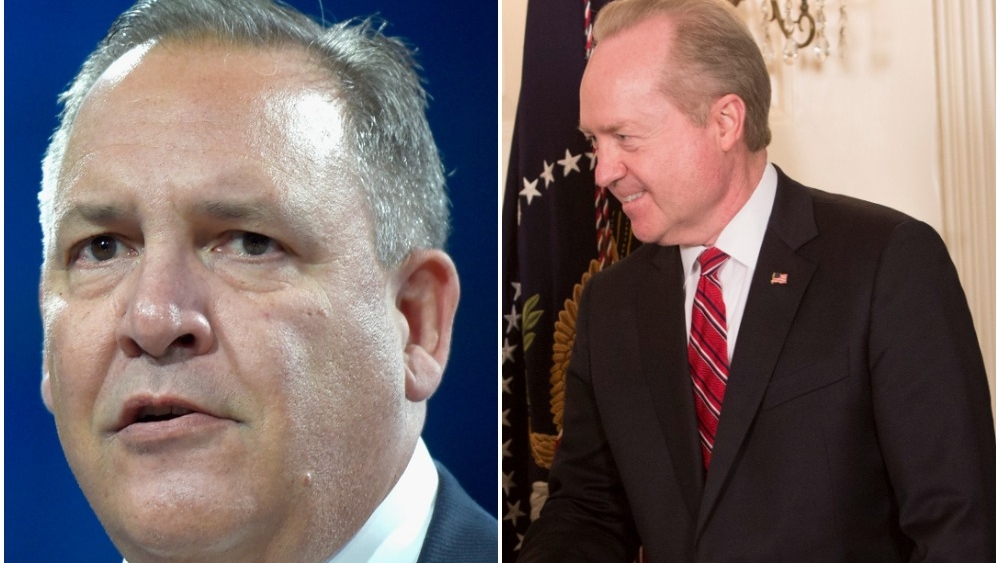
Raytheon’s Tom Kennedy and UTC’s Greg Hayes on why they are uniting the companies
The two heads of the future Raytheon Technologies Corporation talk with Defense News about the mega-deal that could reshape the defense industry.
-

Why it’s taking so long to confirm Trump’s defense secretary choice
Senate officials are hopeful they can finish the work before August, as they wait for White House paperwork.
-

Democrats reevaluating plans to hike lawmakers’ pay
The issue has caused a ruckus inside the ranks of House Democrats, where freshmen in politically competitive districts are recoiling at the idea.
-

Why these employees are the most opioid-prescribed feds
U.S. Postal Service employees account for approximately 48 percent of federal employee opioid prescription costs under the Federal Employees’ Compensation Act program.
-
Dear Bureaucrat, I want my job to give me rules. Am I crazy?
The good news is, you are not crazy. The bad news is, your employer will probably not start producing written rules. But there are ways you can make up in part for your management’s failure to provide usable procedures.
-
Why some senior federal employees leave government
Several factors motivate Senior Executive Service employees to leave, or might convince the most experienced to stay.
-
Can a new office make health records compatible in time?
The Department of Defense and Department of Veterans Affairs have plans for a new office to facilitate cooperation in the roll out of their electronic health record systems.
-
New paint job for Air Force One would require Congress’ OK
Trump has publicly stated his desire to make the plane red, white and blue.
-
DoD has the tools to reform acquisition, and Thornberry wants to require their use
The Continuing Acquisition Reform bill provides a credible signal from Congress that senior defense leadership should move aggressively in using existing authority to change how the department does business.
-
Feds’ pay raise passes committee, but faces obstacles
Federal employees are one step closer to seeing a substantial pay increase in 2020.
-
Raytheon’s Tom Kennedy and UTC’s Greg Hayes on why they are uniting the companies
The two heads of the future Raytheon Technologies Corporation talk with Defense News about the mega-deal that could reshape the defense industry.
-
Why it’s taking so long to confirm Trump’s defense secretary choice
Senate officials are hopeful they can finish the work before August, as they wait for White House paperwork.
-
Democrats reevaluating plans to hike lawmakers’ pay
The issue has caused a ruckus inside the ranks of House Democrats, where freshmen in politically competitive districts are recoiling at the idea.
-
Why these employees are the most opioid-prescribed feds
U.S. Postal Service employees account for approximately 48 percent of federal employee opioid prescription costs under the Federal Employees’ Compensation Act program.