-

Behind the White House’s plan to be more aggressive in cyberspace
How North Korean threats, disappearing Russians and massive Chinese hacks led the Trump administration to a new cybersecurity strategy.
-

GSA gets a new technology office director
The General Services Administration announced that a new leader for its Technology Transformation Service would start in January.
-

DHS wants a custom cyberthreat warning network
The agency said it wanted to develop a software to help medium and small businesses communicate with each other and identify hacking attempts.
-

Sandia Labs trains AI to spot drones in time and space
With machine learning, it’s possible for a video-processing algorithm to learn the difference between drones and birds.
-

FBI: Watch out for Iranian SamSam malware
The U.S. government is warning critical infrastructure firms to protect themselves from the SamSam virus that has caused more than $30 million in damages.
-
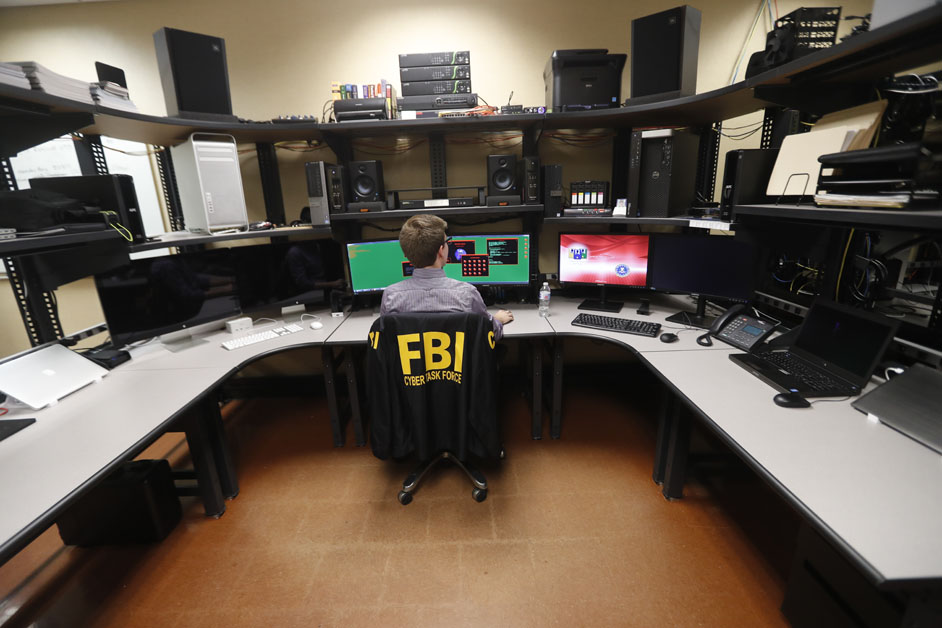
GOP campaign arm reports ‘cyber intrusion’
“The cybersecurity of the committee’s data is paramount, and upon learning of the intrusion, the [National Republican Congressional Committee] immediately launched an internal investigation and notified the FBI, which is now investigating the matter,” spokesman Ian Prior said in a statement.
-

The government must define ‘emerging technology’ to protect it
To guard against China gaining dominance in critical sectors, the Trump administration is racing to define and control what technologies are most essential to U.S. national security.
-

Ignore the workforce at your IT modernization peril
Modernization needs to be about more than just upgrading legacy technology.
-
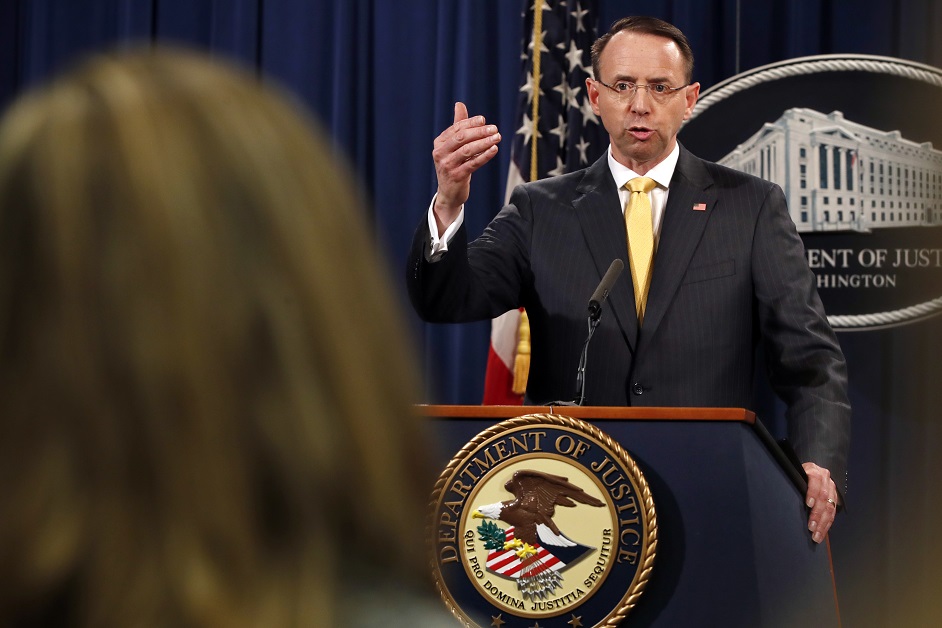
When does ‘responsible encryption’ equal surveillance?
Speaking at Georgetown University Nov. 29, Deputy Assistant Attorney General Rod Rosenstein urged private firms to undertake “responsible encryption” in devices.
-

HHS wants to simplify electronic health record requirements
The Department of Health and Human Services is proposing regulatory changes that could help make using electronic health records systems easier for doctors.
-
Behind the White House’s plan to be more aggressive in cyberspace
How North Korean threats, disappearing Russians and massive Chinese hacks led the Trump administration to a new cybersecurity strategy.
-
GSA gets a new technology office director
The General Services Administration announced that a new leader for its Technology Transformation Service would start in January.
-
DHS wants a custom cyberthreat warning network
The agency said it wanted to develop a software to help medium and small businesses communicate with each other and identify hacking attempts.
-
Sandia Labs trains AI to spot drones in time and space
With machine learning, it’s possible for a video-processing algorithm to learn the difference between drones and birds.
-
FBI: Watch out for Iranian SamSam malware
The U.S. government is warning critical infrastructure firms to protect themselves from the SamSam virus that has caused more than $30 million in damages.
-
GOP campaign arm reports ‘cyber intrusion’
“The cybersecurity of the committee’s data is paramount, and upon learning of the intrusion, the [National Republican Congressional Committee] immediately launched an internal investigation and notified the FBI, which is now investigating the matter,” spokesman Ian Prior said in a statement.
-
The government must define ‘emerging technology’ to protect it
To guard against China gaining dominance in critical sectors, the Trump administration is racing to define and control what technologies are most essential to U.S. national security.
-
Ignore the workforce at your IT modernization peril
Modernization needs to be about more than just upgrading legacy technology.
-
When does ‘responsible encryption’ equal surveillance?
Speaking at Georgetown University Nov. 29, Deputy Assistant Attorney General Rod Rosenstein urged private firms to undertake “responsible encryption” in devices.
-
HHS wants to simplify electronic health record requirements
The Department of Health and Human Services is proposing regulatory changes that could help make using electronic health records systems easier for doctors.