-

GSA RFI could topple DUNS monopoly
The General Services Administration issued a request for information on the future of entity identification and validation services that could replace the expiring contract with Dun & Bradstreet in 2018.
-

FBI couldn’t access nearly 7K devices because of encryption
The FBI hasn’t been able to retrieve data from more than half of the mobile devices it tried to access in less than a year, FBI Director Christopher Wray said Sunday, turning up the heat on a debate between technology companies and law enforcement officials trying to recover encrypted communications.
-

Top Democrat: White House won’t ID employees who used private email
The White House counsel’s office is refusing to tell a committee on Capitol Hill which of President Donald Trump’s aides used private email accounts for public business.
-

NASA IG doubts CIO’s ability to manage IT
“[T]he Office of the Chief Information Officer has made insufficient progress to improve NASA’s IT governance, casting doubt on the office’s ability to effectively oversee the agency’s IT assets,” according to the agency inspector general.
-

Quarter of emails claiming to be from feds are malicious, unauthenticated, says cyber firm
Some 25 percent of emails claiming to be from the federal government are either unauthenticated or malicious, according to a new report from cybersecurity firm Agari.
-

TSA’s agile modernization plan is clunky, overbudget and behind schedule
The TSA had intended to incorporate agile software development, yet the agency failed to define key roles and responsibilities, implement automated capabilities and prioritize system requirements for the effective usage of agile, according to GAO.
-

Blockchain: Is government shackling itself to the wrong technology?
For federal agencies, the digital ledger technology known as blockchain is generating a lot of heat but not much light. There’s buzz, but not a lot of practical demonstration. High hopes, but no sure guarantee that blockchain will make government better, safer, smarter.
-

Microsoft adds classified, blockchain, more to government cloud platform
At its annual Government Cloud Forum, Microsoft announced new advances for its Azure Government program, a U.S. government based cloud system.
-

OIG: Energy Department’s cybersecurity needs improvement
The Department of Energy responded to more than 18,000 potential cyber incidents in fiscal year 2017, prompting a need for DOE to enhance its overall security posture, according to a recent independent evaluation.
-
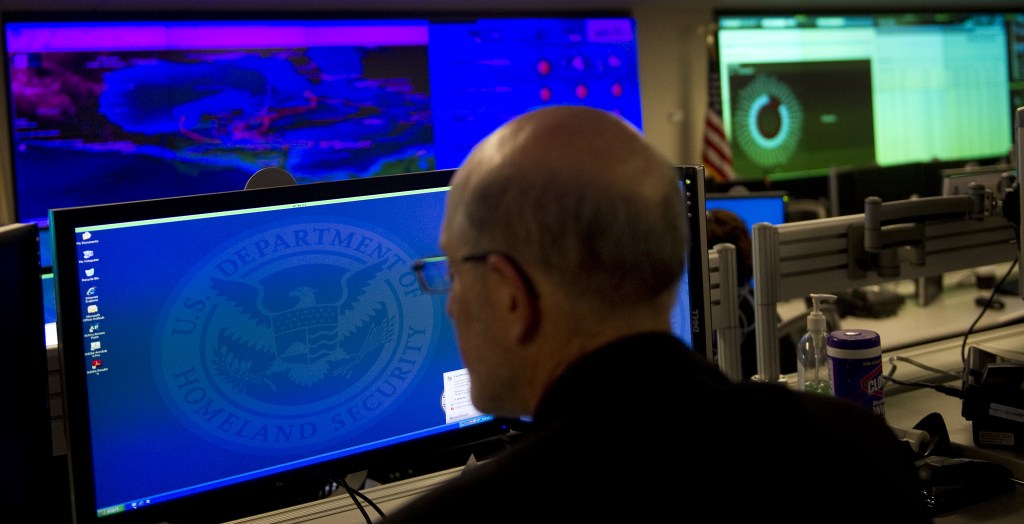
DHS issues mandate for agencies to beef up their email, web security
DHS plans for agencies to adopt email and web security standards akin to ones found in the private sector, specifically when it comes to phishing emails, spam minimization and the protection of the confidentiality and integrity of internet delivered data.
-
GSA RFI could topple DUNS monopoly
The General Services Administration issued a request for information on the future of entity identification and validation services that could replace the expiring contract with Dun & Bradstreet in 2018.
-
FBI couldn’t access nearly 7K devices because of encryption
The FBI hasn’t been able to retrieve data from more than half of the mobile devices it tried to access in less than a year, FBI Director Christopher Wray said Sunday, turning up the heat on a debate between technology companies and law enforcement officials trying to recover encrypted communications.
-
Top Democrat: White House won’t ID employees who used private email
The White House counsel’s office is refusing to tell a committee on Capitol Hill which of President Donald Trump’s aides used private email accounts for public business.
-
NASA IG doubts CIO’s ability to manage IT
“[T]he Office of the Chief Information Officer has made insufficient progress to improve NASA’s IT governance, casting doubt on the office’s ability to effectively oversee the agency’s IT assets,” according to the agency inspector general.
-
Quarter of emails claiming to be from feds are malicious, unauthenticated, says cyber firm
Some 25 percent of emails claiming to be from the federal government are either unauthenticated or malicious, according to a new report from cybersecurity firm Agari.
-
TSA’s agile modernization plan is clunky, overbudget and behind schedule
The TSA had intended to incorporate agile software development, yet the agency failed to define key roles and responsibilities, implement automated capabilities and prioritize system requirements for the effective usage of agile, according to GAO.
-
Blockchain: Is government shackling itself to the wrong technology?
For federal agencies, the digital ledger technology known as blockchain is generating a lot of heat but not much light. There’s buzz, but not a lot of practical demonstration. High hopes, but no sure guarantee that blockchain will make government better, safer, smarter.
-
Microsoft adds classified, blockchain, more to government cloud platform
At its annual Government Cloud Forum, Microsoft announced new advances for its Azure Government program, a U.S. government based cloud system.
-
OIG: Energy Department’s cybersecurity needs improvement
The Department of Energy responded to more than 18,000 potential cyber incidents in fiscal year 2017, prompting a need for DOE to enhance its overall security posture, according to a recent independent evaluation.
-
DHS issues mandate for agencies to beef up their email, web security
DHS plans for agencies to adopt email and web security standards akin to ones found in the private sector, specifically when it comes to phishing emails, spam minimization and the protection of the confidentiality and integrity of internet delivered data.
-
GSA RFI could topple DUNS monopoly
The General Services Administration issued a request for information on the future of entity identification and validation services that could replace the expiring contract with Dun & Bradstreet in 2018.
-
FBI couldn’t access nearly 7K devices because of encryption
The FBI hasn’t been able to retrieve data from more than half of the mobile devices it tried to access in less than a year, FBI Director Christopher Wray said Sunday, turning up the heat on a debate between technology companies and law enforcement officials trying to recover encrypted communications.
-
Top Democrat: White House won’t ID employees who used private email
The White House counsel’s office is refusing to tell a committee on Capitol Hill which of President Donald Trump’s aides used private email accounts for public business.
-
NASA IG doubts CIO’s ability to manage IT
“[T]he Office of the Chief Information Officer has made insufficient progress to improve NASA’s IT governance, casting doubt on the office’s ability to effectively oversee the agency’s IT assets,” according to the agency inspector general.
-
Quarter of emails claiming to be from feds are malicious, unauthenticated, says cyber firm
Some 25 percent of emails claiming to be from the federal government are either unauthenticated or malicious, according to a new report from cybersecurity firm Agari.
-
TSA’s agile modernization plan is clunky, overbudget and behind schedule
The TSA had intended to incorporate agile software development, yet the agency failed to define key roles and responsibilities, implement automated capabilities and prioritize system requirements for the effective usage of agile, according to GAO.
-
Blockchain: Is government shackling itself to the wrong technology?
For federal agencies, the digital ledger technology known as blockchain is generating a lot of heat but not much light. There’s buzz, but not a lot of practical demonstration. High hopes, but no sure guarantee that blockchain will make government better, safer, smarter.
-
Microsoft adds classified, blockchain, more to government cloud platform
At its annual Government Cloud Forum, Microsoft announced new advances for its Azure Government program, a U.S. government based cloud system.
-
OIG: Energy Department’s cybersecurity needs improvement
The Department of Energy responded to more than 18,000 potential cyber incidents in fiscal year 2017, prompting a need for DOE to enhance its overall security posture, according to a recent independent evaluation.
-
DHS issues mandate for agencies to beef up their email, web security
DHS plans for agencies to adopt email and web security standards akin to ones found in the private sector, specifically when it comes to phishing emails, spam minimization and the protection of the confidentiality and integrity of internet delivered data.