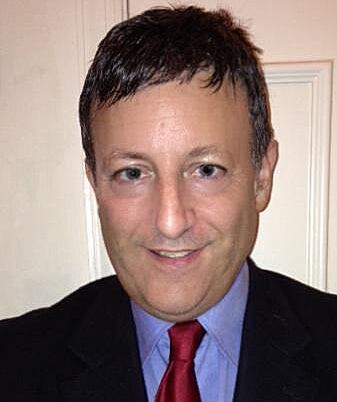

Charles (Chuck) Brooks serves as Vice President/Client Executive for DHS at Xerox.
Editor's Note: This post was originally published on Nov. 4, 2014.
The recent focus in the news over the outbreak of infectious Ebola has once again alerted us to the threat of pandemics and bio-terrorism. This is not the first time the issue of biological risks has emerged. Back in 2002 and 2003, the Severe Acute Respiratory Syndrome (SARS) raised alarms over an epidemic. There was also the 2001 Anthrax scare, and the 2004 ricin letters. Many forget that the 1918 Spanish Flu influenza pandemic killed more than 50,000 people. We are all vulnerable and the vigilance to bio threats are necessary and should not be taken lightly.
There are many organizations that play significant roles in warning, treating, and protecting against infectious outbreaks. The World Health Organization, Centers for Disease Control and Prevention, the Health and Human Services and Defense departments are all experienced with the challenges that may arise when dealing with worldwide pandemic events.
Although only a decade old, the Department of Homeland Security also plays an important role in this area, especially when it comes to bio-surveillance and countering bio-terrorism. Since the agency's inception, combating the threat of weapons of mass destruction has been top of mind.
Under presidential directives, DHS is mandated to conduct biological, chemical, radiological, nuclear, and integrated chemical, biological, radiological and nuclear terrorism risk assessments. Under Presidential Directive PPD-8, the DHS was given a national preparedness role of countering biological terrorism. In coordination with the National Labs, BioWatch has been a high visibility DHS program designed as an early warning system to detect the intentional release of select aerosolized biological agents. The BioWatch program sustains preparedness by utilizing sampling technologies in selected metropolitan areas to identify, test, and mitigate biological (and chemical) threats and attacks.
Within the DHS, the Office of Health Affairs and the Chemical and Biological Defense Division of Science & Technology Directorate work to provide comprehensive analysis of threat characterization and in some instances develop interdiction and countermeasures. Some examples of CBD projects include:
- Foreign Animal Disease Vaccines and Diagnostics, a program that runs in close cooperation with the Department of Agriculture and includes the creation of the National Bio- and Agro-Defense Facility in Manhattan, Kansas;
- Underground Transportation Restoration, focused on enhancing the preparedness and resiliency of transportation systems to recover from biological events;
- Risk assessments to inform decisions about investments to improve the domestic defense posture;
- Forensics Program support of criminal investigative cases and operation in support of criminal investigative cases and operation of the interagency National BioForensics and Analysis Center.
Technological and pharmaceutical advances in recent years have provided some comfort in knowing that the ability to detect and combat biological threats is much more developed than it was before the DHS was created. These are times when we need to draw on the best thinking and resources from public and private sectors. For instance, Xerox's Maven disease surveillance and outbreak management software was designed with security and scalability in mind for quick and easy configuring to changing technologies, protocols and geographic locations – all of which are keys to effective disease outbreak response. Data analytics and sophisticated predictive modeling are also particularly valuable in identifying and controlling contamination. As the Ebola scare demonstrates, despite preparations and research and development progress, biological threats require a coordinated global response and a public health mitigation plan.
The frightening reality is that as technological sophistication grows, so does the spectrum of threat capabilities deployed by terrorists. The DHS's role in detection and countermeasure require continued investment. Pandemics, whether they are generated by nature or terrorists, need to be addressed through interagency preparedness, training, and communication, and the DHS is a vital player in that formula.