
Veterans organizations are deeply divided over the Taking Care of America’s Veterans Act as Congress proposes paying for parts of the legislation with projected savings from a long-pending Department of Veterans Affairs disability ratings rule.
At the center of the debate are proposed changes affecting conditions such as sleep apnea and tinnitus, a funding mechanism that supporters and critics interpret very differently, and competing versions of the Major Richard Star Act.
The legislation would combine roughly 60 veterans bills into a single package affecting veterans, surviving families, caregivers and medically retired service members. It includes caregiver reforms, survivor benefits, mental health initiatives, community care improvements and the original 2023 version of the long-sought Major Richard Star Act.
Nearly every major veterans service organization supports those priorities. Their disagreement, meanwhile, stems from how Congress proposes to pay for them.
This fight didn’t develop overnight. Instead, it began at the convergence of three separate efforts: VA’s yearslong modernization of its disability rating schedule, Congress’ search for an offset to finance a large veterans package and different conclusions about whether projected savings from a pending rule-making change should remain available for veterans programs.
The result is one of the most significant policy disagreements among major veterans organizations in recent years.
Modernization effort years in the making
Long before veterans organizations began publicly battling over the omnibus, VA was already working through a comprehensive overhaul of the Veterans Affairs Schedule for Rating Disabilities, the regulations used to evaluate service-connected disabilities and determine monthly compensation.
The modernization effort began after the Government Accountability Office designated VA’s disability compensation program as “high risk” because portions of the rating schedule had not kept pace with advances in medicine and clinical practice.
In 2009, VA began systematically reviewing all 15 body systems. The proposed revisions published in April 2022 represented the latest phase of that effort, including changes affecting mental health, respiratory and auditory conditions, among them sleep apnea and tinnitus.
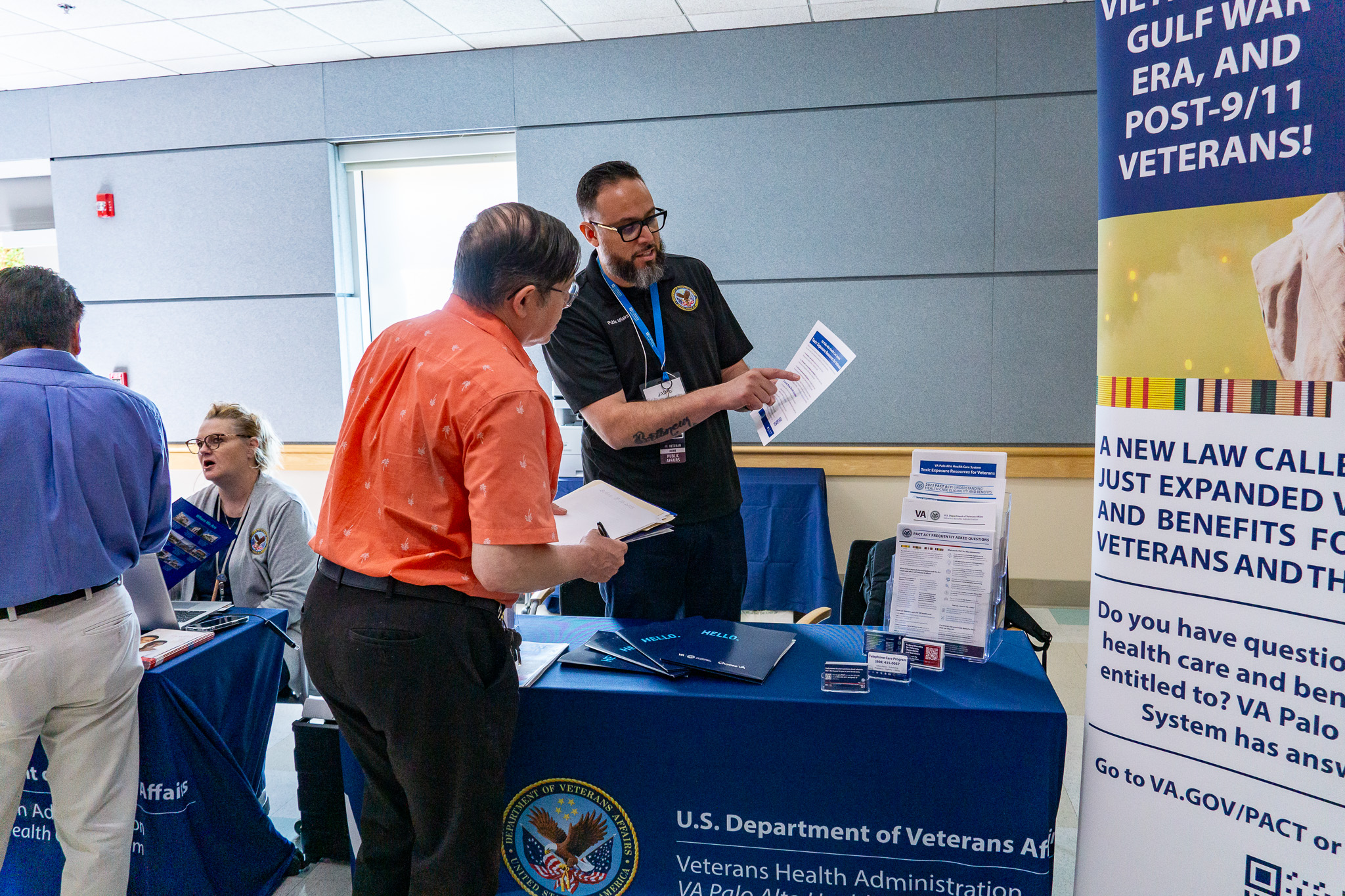
Public comments closed years ago, but the remaining rule-makings were still moving through the regulatory process when VA appeared before Congress at the beginning of this year.
During a Jan. 14 hearing before the House Veterans’ Affairs Subcommittee on Disability Assistance and Memorial Affairs, Nina Tann, executive director of VA’s Compensation Service, testified that the department anticipated publishing the remaining four body systems in three final rule-makings around the summer of 2026, followed by implementation and an effective date.
In prepared testimony submitted to the committee, she wrote that VA expected to complete the remaining rule-makings by the end of fiscal 2026, concluding what she described as the first holistic modernization of the rating schedule since 1945.
Those statements became part of the factual backdrop as lawmakers worked to assemble one of the largest veterans legislative packages in years.
Finding the money
The Taking Care of America’s Veterans Act did not begin as a single proposal. Instead, lawmakers combined dozens of bipartisan measures that had already advanced independently through Congress.
Together, they would expand or improve programs affecting caregivers, survivors, veterans’ healthcare, military retirement and disability compensation.
Like most large authorization bills, expanding benefits required lawmakers to identify spending reductions elsewhere. Supporters of the legislation pointed to VA’s pending disability rating revisions.
Candace Wheeler, national legislative director for the Tragedy Assistance Program for Survivors, said TAPS understood from conversations with VA and the department’s January congressional testimony that the remaining rule-making was expected to proceed during fiscal 2026.
According to Wheeler, TAPS views the projected savings differently than critics of the legislation. Rather than reducing existing disability compensation, Wheeler said Congress is attempting to retain projected federal savings associated with a rule VA had already proposed and testified it expected to complete.

Otherwise, she said, those savings would leave veterans programs altogether. She described it as “the right color of money.”
Wheeler also acknowledged why many organizations remain uncomfortable with the proposal.
“We understand organizations and people that are concerned about taking from veterans to pay for veterans,” she said. “We have long said the same thing. But in this particular legislation, it is because of a rule that was already put forward.”
That distinction helps explain why TAPS, the Military Officers Association of America, the Elizabeth Dole Foundation and several other organizations endorsed the omnibus despite opposing similar funding approaches in other circumstances.
Coming to a different conclusion
Disabled American Veterans and Veterans of Foreign Wars have not opposed most of the legislation itself. Instead, both organizations argue Congress should identify another way to finance the package, rather than rely on projected savings associated with disability compensation changes.
Their position reflects a broader philosophy about the purpose of VA disability compensation.
In testimony submitted to Congress earlier this year, DAV argued disability compensation recognizes the lasting functional loss associated with service-connected injuries and illnesses and does not serve only as wage replacement for unemployable veterans.
The organization described the disability compensation framework as fundamentally sound and cautioned against proposals that could weaken its underlying purpose.
VFW’s January testimony addressed the modernization effort from a different perspective but acknowledged that the remaining respiratory, auditory and mental health revisions were still progressing through rule-making.

The organization noted that public comment periods had concluded, rule-making remained underway and full completion was projected for fiscal 2026. It also told lawmakers that VFW had repeatedly requested updates from VA and had consistently been told the remaining regulations were still under review.
Those statements do not suggest agreement over the proposed funding mechanism, but they do show that the organizations broadly understood the modernization effort was continuing while reaching different conclusions about whether Congress should treat projected savings from that unfinished process as available to finance new veterans legislation.
The dispute goes public
The philosophical divide soon moved beyond policy papers and congressional testimony.
Veterans of Foreign Wars launched a public campaign urging veterans to contact lawmakers and oppose the funding provision. Disabled American Veterans issued statements arguing Congress should remove the offset and finance the legislation another way. Both organizations emphasized that they supported many of the bill’s underlying provisions but opposed using projected disability compensation savings to pay for them.
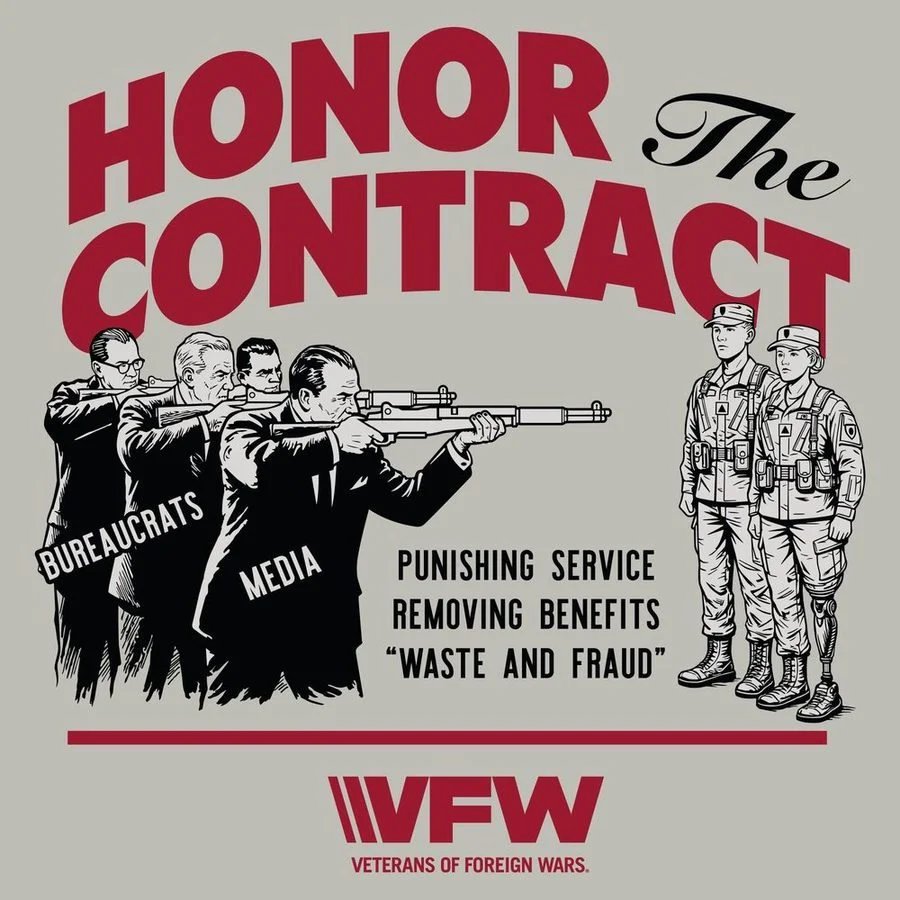
The dispute escalated on July 1 when House Veterans’ Affairs Committee Chairman Mike Bost, R-Ill., publicly criticized a VFW advocacy cartoon promoting the campaign.
In a statement, Bost called the organization’s messaging “inflammatory, fear-mongering, and dangerous political rhetoric” and urged VFW to remove the image.
Another development the same day received far less attention.
Bost and Rep. Jack Bergman, R-Mich., sent a formal letter to VA Secretary Doug Collins requesting that the department examine whether VFW’s conduct remained consistent with the requirements governing VA-accredited veterans service organizations under 38 C.F.R. §§ 14.628 and 14.629.
They also asked VA to review the organization’s commercial licensing arrangement under 38 C.F.R. § 14.628(f) in connection with merchandise featuring the disputed cartoon.
The lawmakers did not direct VA to revoke VFW’s accreditation or recommend a specific outcome. Instead, they asked the department to review whether the organization’s actions complied with existing regulations.
VFW General Counsel John Muckelbauer told Military Times the organization first learned of the letter from congressional staff after it had been sent and said neither lawmaker contacted the organization beforehand.
He said VFW remains confident its advocacy complies with VA accreditation standards and argued that speaking forcefully before Congress is central to the organization’s mission.
“Reasonable people can disagree about legislation,” Muckelbauer said. “What should never be in question is the right and responsibility of veterans service organizations to advocate independently for the veterans they represent.”
Because the matter raises legal issues, Muckelbauer said VFW has responded “through the appropriate legal channels” and declined to discuss those communications publicly.
The Major Richard Star Act change-up
As debate over the funding mechanism intensified, another significant change inside the omnibus attracted comparatively little attention.
For years, the Major Richard Star Act has sought to restore concurrent receipt for combat-injured veterans who were medically retired before completing 20 years of military service. Under current law, many lose a portion of their earned military retirement because they also receive VA disability compensation.
The original 2023 version of the legislation focused on approximately 54,000 combat-injured medically retired veterans. In 2025, lawmakers introduced a broader standalone proposal that would have expanded eligibility to roughly 255,000 medically retired veterans beyond the original combat-related population, totaling more than 300,000 medically retired veterans.
Congressional Budget Office estimates reflected a substantially higher projected cost associated with that expansion, inflating the price tag from $10 billion to $78 billion over 10 years.
The version incorporated into the Taking Care of America’s Veterans Act does not include that broader eligibility. Instead, it mirrors the earlier combat-related framework, limiting eligibility to approximately 54,000 combat-injured medically retired veterans, not all Chapter 61 medically retired veterans.
Restoring concurrent receipt can return hundreds or even thousands of dollars each month to retirees whose military careers ended because of combat-related injuries.
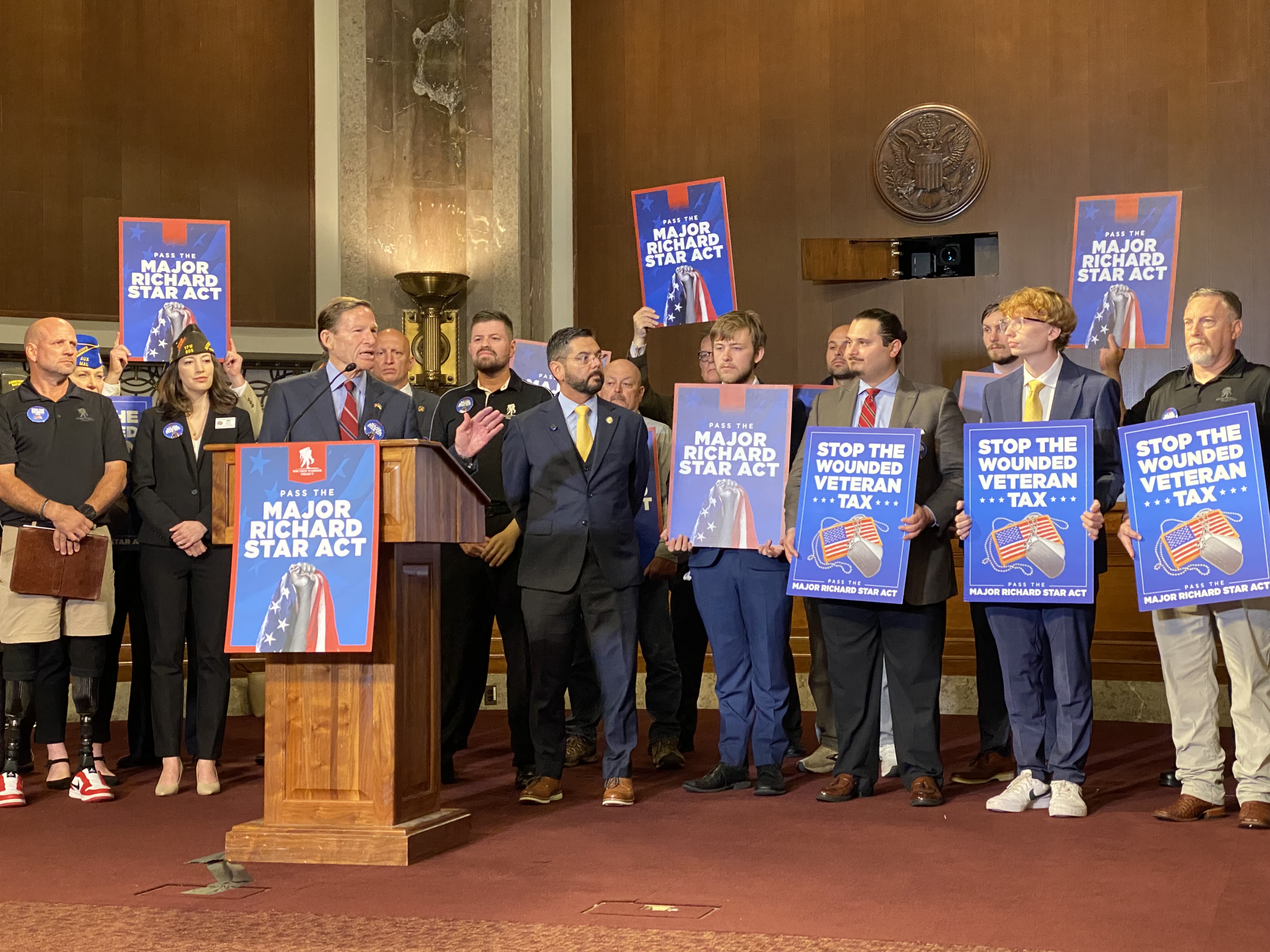
Wheeler said confusion between the two versions has complicated public discussion of the legislation.
“If you add in all of [the additional 255,000 medically retired veterans], then yes, it would balloon the cost,” she said. “But that is not what is currently moving forward in TCAVA.”
Wheeler noted that coalition members intentionally focused on the narrower proposal because expanding eligibility further “would make it very hard to pass,” explaining why the version of the Richard Star Act included in the omnibus differs significantly from the broader standalone proposal introduced by Congress last year.
VA’s current position
While Congress debated the legislation, VA publicly described the status of the underlying rule-making differently than it had during the January hearing.
Asked by Military Times about the 2022 proposed disability ratings revisions, Quinn Slaven, VA press secretary, said “no changes are planned or imminent.”
Slaven added that after receiving significant public comment back in February, the proposal “would need to undergo significant changes prior to being finalized.”
Military Times asked VA whether the department’s expected timeline has changed since Nina Tann testified in January that VA anticipated completing the remaining rule-makings by the end of fiscal 2026. As of publication, the department had not responded to that specific inquiry.
Veterans organizations interpreted the significance of that timeline differently as Congress assembled the omnibus legislation.
Congress has not yet decided whether to advance the legislation in its current form. VA has not finalized the 2022 disability ratings proposal, nor has it been withdrawn.
Until both questions are resolved, the debate that has divided the veterans community is likely to continue.
In written testimony submitted for the Jan. 14 hearing, VFW stated that disability compensation exists because America made a promise, and they should honor the contract.
“Several proposed changes have been delayed multiple times,” VFW wrote, “leaving veterans and stakeholders uncertain about timing and the potential effects of the proposed changes.”
With the VSOs supportive of TCAVA understanding that these rule-making changes to VA disability will be final by Oct. 1, Candace Wheeler cautions, “That money will go back to the Treasury if it isn’t used.”