-
Bracing for a budget fight, lawmakers propose bill to prevent shutdown
Lawmakers said the proposed bill is specifically a response to the brewing threat of a shutdown.
-

The avoidable consequences of a government shutdown
The real hostages, and eventual losers in this blame game, are not elected officials or single issues of contention; they are American taxpayers.

Budget
Stay up to date on appropriations from Congress and budget policies from OMB and what they mean for your agency.
-
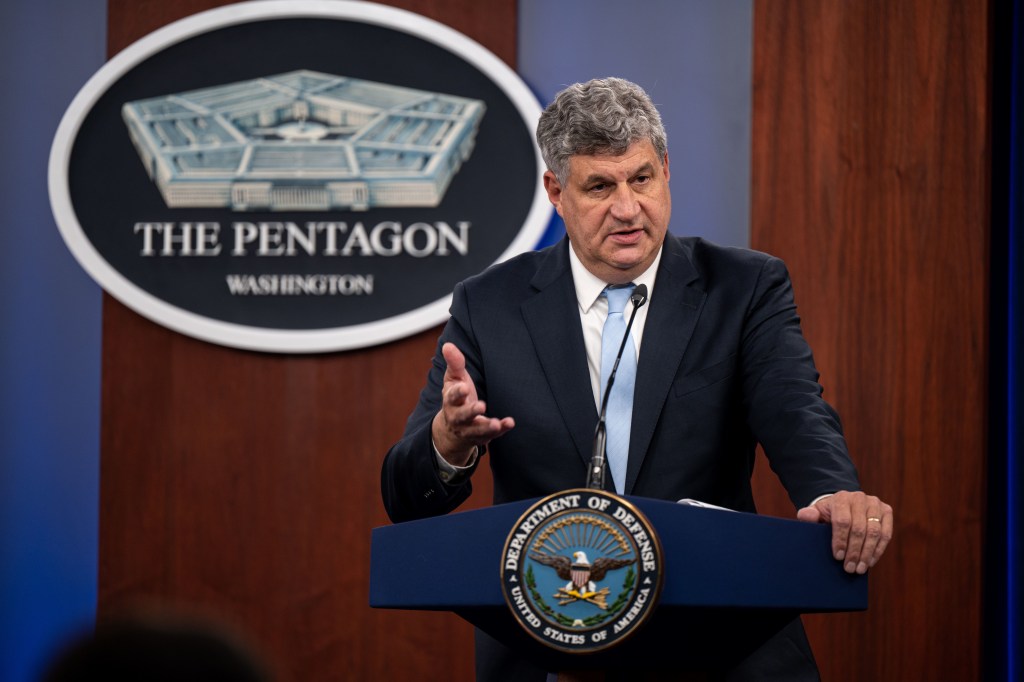
Pentagon’s first industrial strategy calls for ‘generational’ change
The National Defense Industrial Strategy describes itself as a “call to action” to help America keep pace with competitors like China and Russia
-

Wennergren: DoD civilian hiring freeze not a big surprise
Federal Times reached out to PSC’s Dave Wennergren to get a sense of what the freeze means for defense contracting.
-

Survey: US voters favor cutting carrier, F-35, overall defense spending
A majority of Americans favor cutting the defense budget in key areas, including nuclear weapons and missile defense.
-
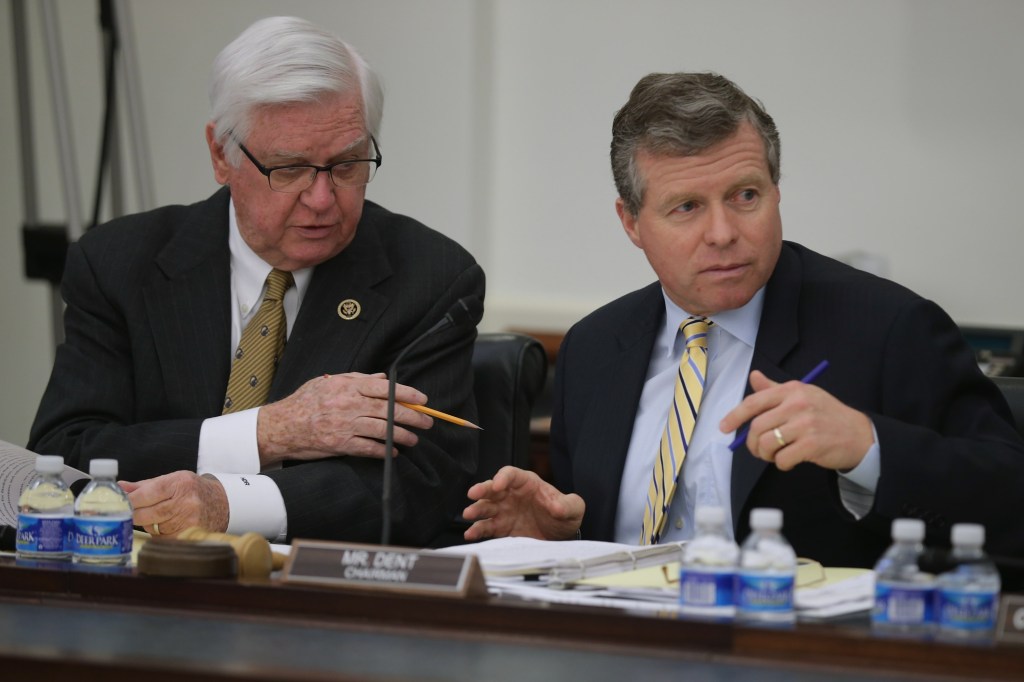
House appropriator casts doubt on VA funding increase
A key House appropriator hinted Tuesday he may block another funding increase for the Department of Veterans Affairs next year, noting more than a decade of steady spending boosts for veterans programs.
-

Industry sounds off on tech, cyber in Obama’s budget
Seven industry experts weigh in on the major IT and cybersecurity proposals included in the 2017 budget proposal.
-

3 Management programs to watch in 2017 budget
The White House is highlighting a number of management programs to streamline government in 2017.
-

$50B homeland security budget focused on terrorism, critical infrastructure
Homeland security funding is split between 29 agencies, with the bulk allocated for DHS programs.
-

Budget projects ‘largest relative pay cut’ for feds
The 2017 budget’s proposed 1.6 percent pay raise represents the growing divide between government and private sector pay.
-
Another big VA funding boost in FY17 budget request
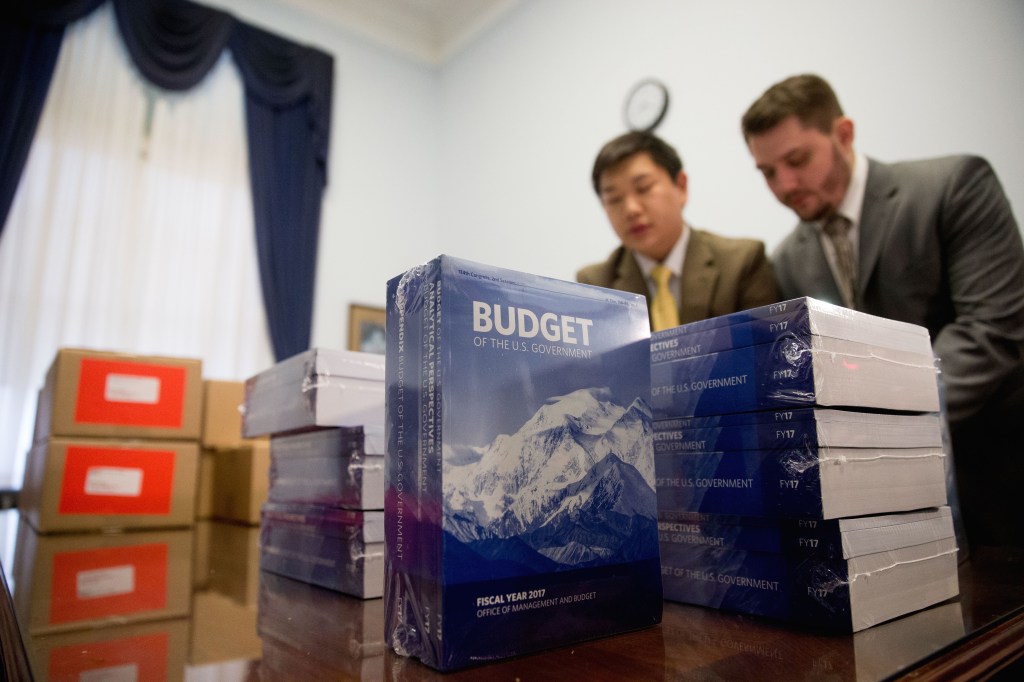
The Department of Veterans Affairs would receive another big boost in discretionary spending in fiscal 2017 under the $4.1 trillion federal budget unveiled by the White House on Tuesday.
-
President asks for $89.9B for IT in 2017 budget
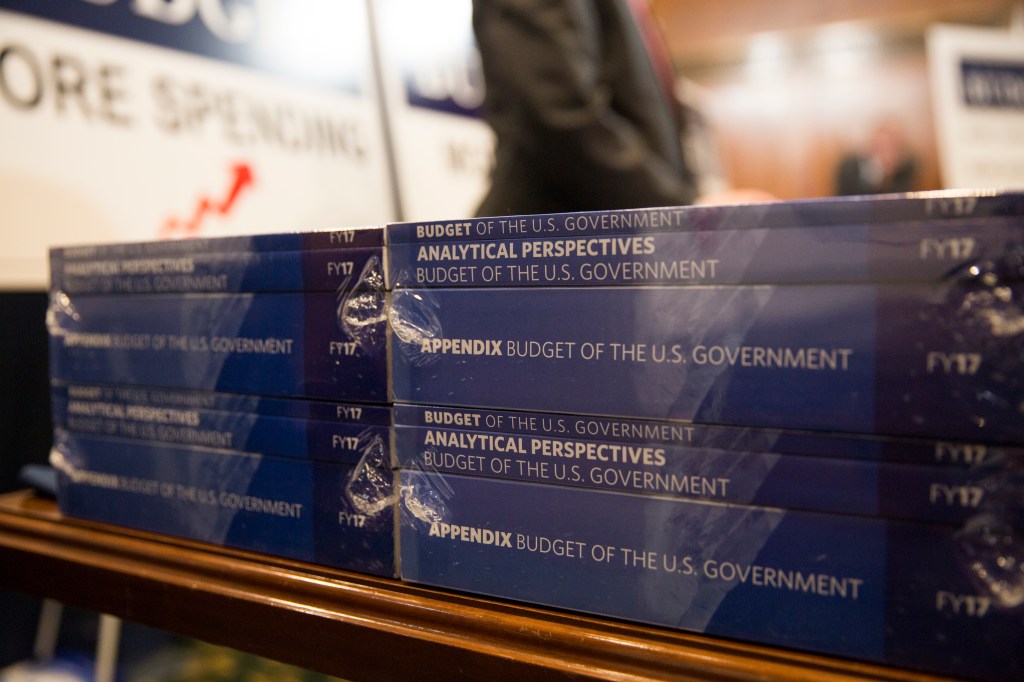
IT outlays account for 2.2 percent of president’s $4.15 trillion budget.
-
White House releases $4.15 trillion-budget for 2017
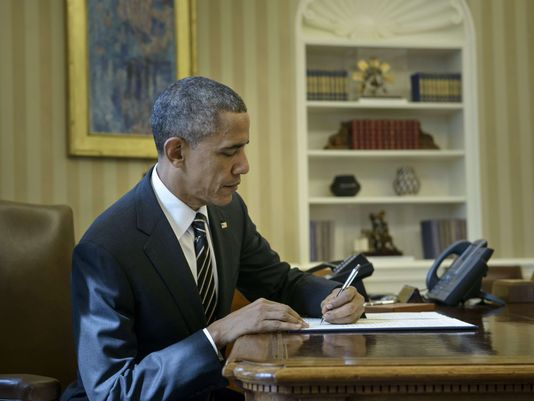
The Obama administration released a $4.15 billion-plan for 2017, packed with spending for infrastructure programs and the anticipated cancer “moonshot”.