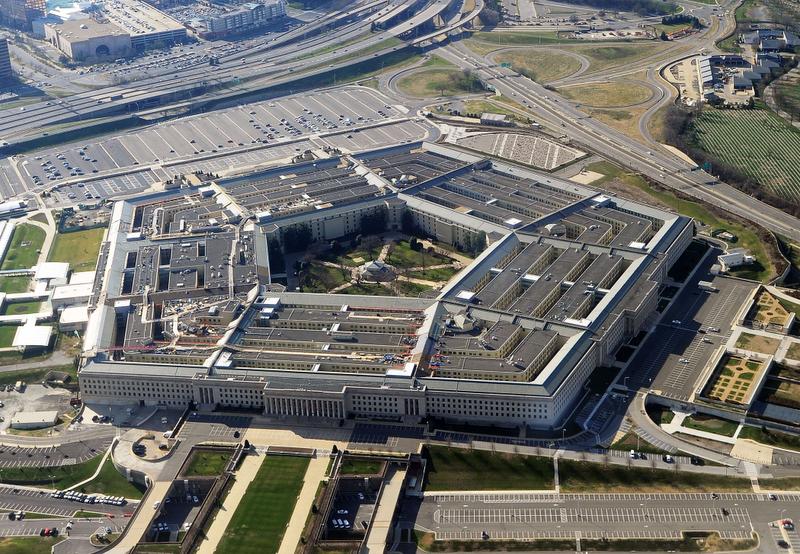
The House passed National Defense Authorization Act of 2015 Dec. 4, sending the bill to the Senate for a vote.
The $584.2 billion bill is $48 billion less than the fiscal 2014 legislation, and covers everything from a 1 percent boost in military pay to funds to fight the Islamic State group and other terrorist organizations.
The NDAA also includes sweeping IT reform legislation. Known as the Federal Information Technology Acquisition Reform Act (FITARA), the bill would significantly empower CIOs at the largest civilian agencies. If approved, the bill will give CIOs more discretion over how IT budgets are set and used and authority over planning and implementing large-scale projects.
CIOs would also get hiring approval for CIOs as component organizations and final approval on contracts for major IT products and services. The legislation would not affect the Defense Department or intelligence agencies.
The legislation would also extend the authority for another five years of agencies to rehire federal retirees without having to offset their salary. Before the authority was granted in 2009 an agency rehiring a retiree had to offset their salary by the amount of the annuity unless it got a waiver from the Office of Personnel Management.
Richard Thissen, president of the National Active and Retired Federal Employees Association, urged the Senate to pass the legislation and praised the provision for helping retain talented workers.
“Over the last five years, this authority has proved important for the successful recruitment, retention and mentorship of our federal civil servants,” said NARFE National President Richard G. Thissen. “This is especially important now, as agencies balance workloads amid an ongoing retirement wave and sequestration-level funding.”
The NDAA also rejects the possibility of a base realignment and closure round (BRAC) in 2017, something the administration and the Defense Department has been pushing for.
An explanation of the NDAA provided by the lawmakers also called previous savings estimates of earlier BRAC rounds “outdated” and said the Defense Department already has enough tools to reduce its infrastructure spending.
The NDAA also simplifies various contracting processes, including Defense Department design-build projects. The legislation increases transparency in certain small business contracting pilot programs and limits the use of reverse auctions by banning single-bid auctions.
Senior Staff Writer Aaron Boyd contributed to this report.