The Intelligence Community declassified a 2009 report by five Inspectors General detailing the origins of the bulk information gathering program — known as the President's Surveillance Program — created in the aftermath of the Sept. 11, 2001 terrorist attacks.
The now-unclassified — though heavily redacted — document reveals little new information, however it does paint a picture of an administration at odds with itself over the legality of the surveillance being performed, which included American citizens.
Download: Report on the President's Surveillance Program
The report compiles interviews and research from five Inspectors General, including the Defense Department, Department of Justice, CIA, NSA and the Office of the Director of National Intelligence.
The 70-page document chronicles the beginnings of the program, managed by a small group of administration officials with authorization from then-President Bush, to its ultimate oversight by courts established under the Foreign Intelligence Surveillance Act (FISA), and the effects it had on agencies' intelligence collection efforts.
As more people were (reluctantly) brought in to offer opinions on the surveillance program, new issues were discovered and the original legal positions that gave the program standing were questioned.
More: Snowden charged with espionage for NSA leaks
Concerns expressed by attorneys from Justice were largely whitewashed or outright dismissed, according to the report, which includes a detailed account of attempts to circumvent acting Attorney General James Comey while Attorney General John Ashcroft was convalescing after surgery.
The report notes these events "brought several senior DoJ and FBI officials to the brink of resignation in March 2004," however authorization of the program was turned over to the FISA courts shortly thereafter, forestalling any resignations.
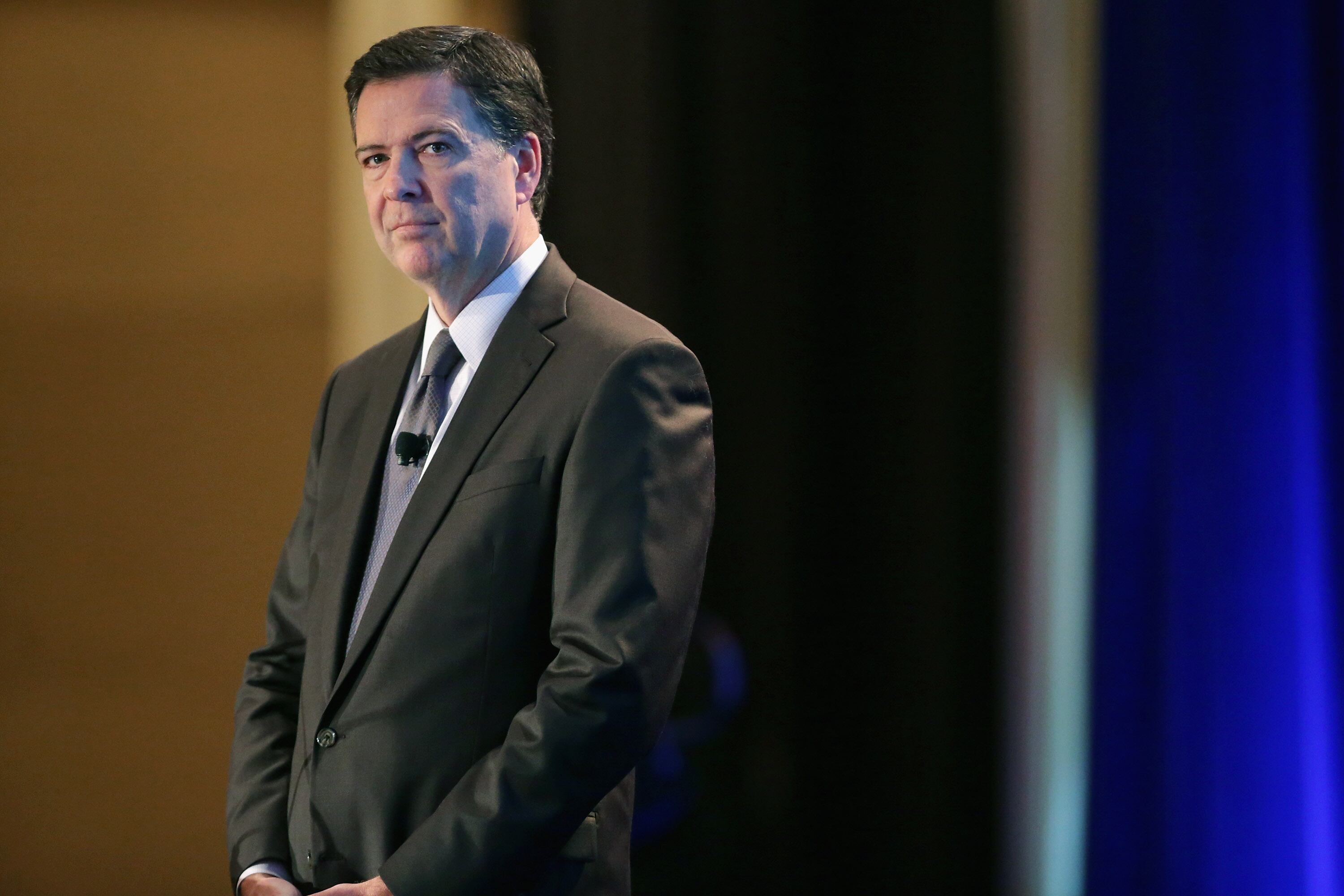
Current FBI Director James Comey, then acting attorney general, considered resigning over disagreements with the administration on the legality of the surveillance program.
Photo Credit: Chip Somodevilla, Getty Images
"The DoJ IG concluded that several considerations favored initiating PSP's transition from presidential authority to FISA authority earlier than March 2004, especially as the program became less a temporary response to the Sept. 11 terrorist attacks and more a permanent surveillance tool," the report states. "These considerations included PSP's substantial effect on privacy interests of U.S. persons, the instability of the legal reasoning on which the program rested for several years and the substantial restrictions placed on FBI agents' and analysts' access to and use of program-derived information due to the highly classified status of the PSP."
Video: HBO's John Oliver interviews Edward Snowden
The report also details how useful the initial program was for each law enforcement and intelligence agency. Most said it was indeed useful, though quantifying exactly how useful was impossible.
Former CIA Director Michael Hayden, who served as NSA director during the initial years of the program, said the surveillance operations would have identified at least two of the Sept. 11 hijackers prior to the attack and noted it helped determine that "terrorist cells were not embedded within the United States to the extent that had been feared," the report states.
However, except for the FBI, none of the other intelligence agencies actually tracked how information collected under the program was used.
More: NSA director says surveillance programs foiled 50 terror plots
"We were repeatedly told that the PSP was one of a number of intelligence sources and analytic tools that were available to IC personnel," the report states. "Because PSP reporting was used in conjunction with reporting from other intelligence sources, it was difficult to attribute the success of particular counterterrorism operations exclusively to the PSP."
Several agents also told investigators the confidentiality of the program and lack of competency at the managerial level made it difficult for them to know when such information could be used.
In their conclusion, the IGs called the data collection efforts "unprecedented" and warned of the potential abuse that could arise from programs like PSP.
"We believe the retention and use by IC organizations of information collected under the PSP and FISA, particularly information on U.S. persons, should be carefully monitored," they wrote.
Aaron Boyd is an awarding-winning journalist currently serving as editor of Federal Times — a Washington, D.C. institution covering federal workforce and contracting for more than 50 years — and Fifth Domain — a news and information hub focused on cybersecurity and cyberwar from a civilian, military and international perspective.