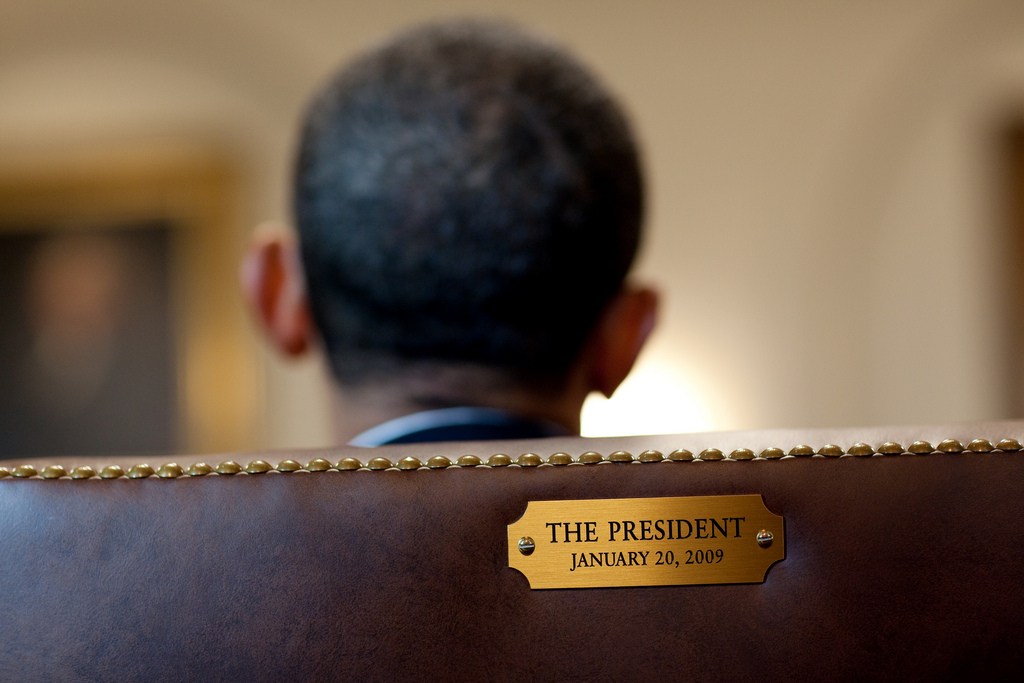
According to a new study examining the best practices for presidential transitions, the prescription for success is collaboration.
The National Academy of Public Administration released a report this week examining what the next administration should do to smooth its ascension to The White House.
Related: Read the report
The report—which is laden with the insights of policy experts and former administration officials—addresses the beneficial role that collaboration could play for the next administration to achieve success in its earliest days.
Presidential transitions have often been a study in dissonance, sometimes even when transitioning between two administrations of the same political party, as the new administration often takes the better part of its first year to get in place and roll out its policy initiatives.
NAPA, recognizing that the administration handover continues to represent a time of vulnerability for the federal government, set about studying best practices for the next transition.
Over the past year, the group broke down the issues facing a new administration through a series of panel discussions with stakeholders and came up with a set of recommendations centering on better collaboration to achieve policy goals.
“No agenda that matters fits any longer within individual government agencies or, for that matter, any single level of government or any specific sector of the economy,” the report said.
“Therefore, the administration will need a fresh approach to collaboration across boundaries—among federal agencies, across levels of government, between government and the private and nonprofit sectors, and across global boundaries.”
The recommendations include better engaging the federal workforce and utilizing civil service expertise, as well as setting cross-agency goals to promote more collaboration.
The report also cites the lessons learned from the implementation of past legislation, like the Recovery Accountability and Transparency Board and the Government Performance and Results Modernization Act.
“Collaboration is a powerful antidote to stagnation,” the report said. “But like any payoff, collaboration needs early investments. Spending time and other resources on clarifying expectations of roles and responsibilities in advance and subsequent investments in relationship-building, laying a foundation of trust, and finding ways to celebrate individual and collective achievements early on, will almost certainly pay off in the next administration.”
The report also advocates the use of governance techniques like evidence-based approaches and strategic foresight, recommending that the next president set up a 100-day government-wide task force to lay out the long-term planning and strategy goals of the administration.
NAPA officials also say the next administration should focus on strong recruitment techniques and embrace continued innovation policies to modernize operations.
The 2017 presidential transition has remained a hot topic in Washington, as it will be the first government handover since the transfer of the Bush and Obama administrations, which is largely seen as the most effective transition in recent history.