-

Here are the civilian cyber highlights in the must-pass spending bills
Congress plans to shell out billions for cyber-related projects across the government.
-

Kari Bingen, key DoD intelligence official, to depart Pentagon
Bingen becomes the fourth top Pentagon official to announce departures from the department in just the last week.
-

Feds get a surprise day off before Christmas
Federal employees were granted an extra day off during the holidays via a White House order Dec. 17.
-
The DHS cyber agency gets massive funding boost
Take a look at what Congress wants the Department of Homeland Security’s Cybersecurity and Infrastructure Security Agency to do as it looks to consolidate its clout as the federal cybersecurity leader.
-
12 weeks of paid parental leave makes it to the president’s desk
The House and Senate conference committee released a National Defense Authorization Act agreement that would for the first time set aside specific payment for feds during parental leave.
-

Here’s how a federal court ruling is affecting the military’s border wall construction plans
A fraction of military construction funding had been used to build border barriers before a judge ordered the Army Corps of Engineers to stop work.
-

Here’s how much money Congress gave to the modernization pot
After a brief funding scare in the Senate, Congress added to the Technology Modernization Fund’s pool of cash.
-

Feds maintain ‘resilient’ engagement despite the shutdown
Federal employees remain committed to their mission, but dramatic upheavals at some agencies have caused drastic downturns in employee outlook.
-
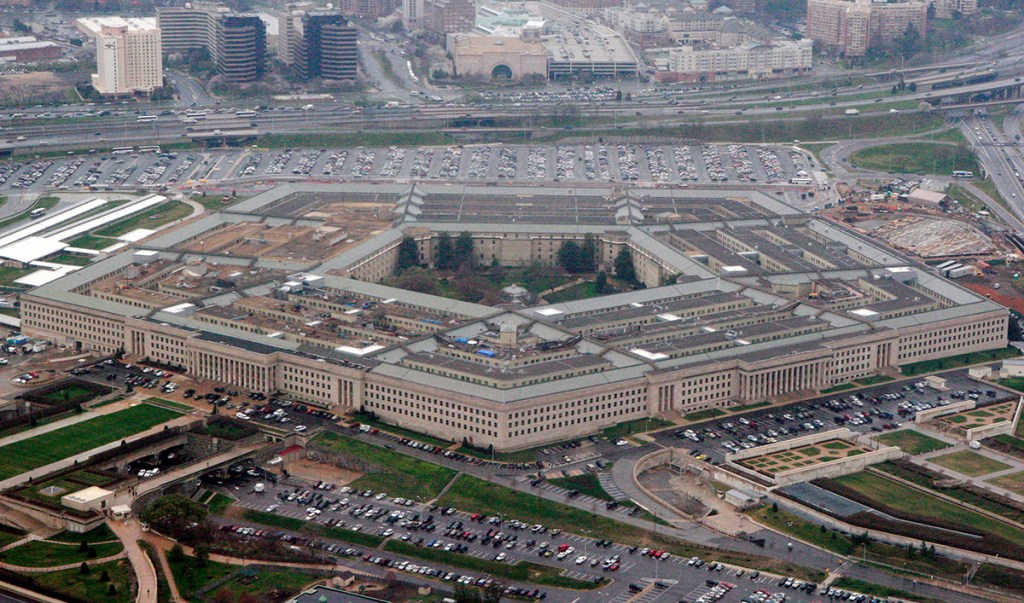
Here’s the verdict from Congress on the Pentagon’s enterprise cloud
Restrictions were addressed in the Department of Defense’s fiscal year 2020 appropriations bill.
-
Is using TikTok a national security risk?
The chairman of a national security subcommittee in the House of Representatives is worried that federal employees who use TikTok, Grindr and other mobile applications owned by foreign governments could be susceptible to blackmail or become national security vulnerabilities.
-
Here are the civilian cyber highlights in the must-pass spending bills
Congress plans to shell out billions for cyber-related projects across the government.
-
Kari Bingen, key DoD intelligence official, to depart Pentagon
Bingen becomes the fourth top Pentagon official to announce departures from the department in just the last week.
-
Feds get a surprise day off before Christmas
Federal employees were granted an extra day off during the holidays via a White House order Dec. 17.
-
The DHS cyber agency gets massive funding boost
Take a look at what Congress wants the Department of Homeland Security’s Cybersecurity and Infrastructure Security Agency to do as it looks to consolidate its clout as the federal cybersecurity leader.
-
12 weeks of paid parental leave makes it to the president’s desk
The House and Senate conference committee released a National Defense Authorization Act agreement that would for the first time set aside specific payment for feds during parental leave.
-
Here’s how a federal court ruling is affecting the military’s border wall construction plans
A fraction of military construction funding had been used to build border barriers before a judge ordered the Army Corps of Engineers to stop work.
-
Here’s how much money Congress gave to the modernization pot
After a brief funding scare in the Senate, Congress added to the Technology Modernization Fund’s pool of cash.
-
Feds maintain ‘resilient’ engagement despite the shutdown
Federal employees remain committed to their mission, but dramatic upheavals at some agencies have caused drastic downturns in employee outlook.
-
Here’s the verdict from Congress on the Pentagon’s enterprise cloud
Restrictions were addressed in the Department of Defense’s fiscal year 2020 appropriations bill.
-
Is using TikTok a national security risk?
The chairman of a national security subcommittee in the House of Representatives is worried that federal employees who use TikTok, Grindr and other mobile applications owned by foreign governments could be susceptible to blackmail or become national security vulnerabilities.